

Southern California is just about synonymous with wildfire. Hundreds of thousands, if not millions, of acres have burned in our region over the decades. Drought and climate extremes driven by human-induced climate change have dramatically escalated the risk of fire.
Fortunately, there are things residents can do to reduce the threat from potential blazes and comply with state fire-prevention measures.
Wildfires are a natural process in the Southern California landscape, as in many other locales. Low, fast-moving brush fires clear understory vegetation, that is, the layer of plants growing at the lowest level of a wooded area that can include moss, ferns and shrubs. When this happens, new trees can sprout and grow. In fact, some tree species in the region, such as Monterey and knobcone pines, require heat from a fire for their cones to open. This adaptation is called "serotiny."
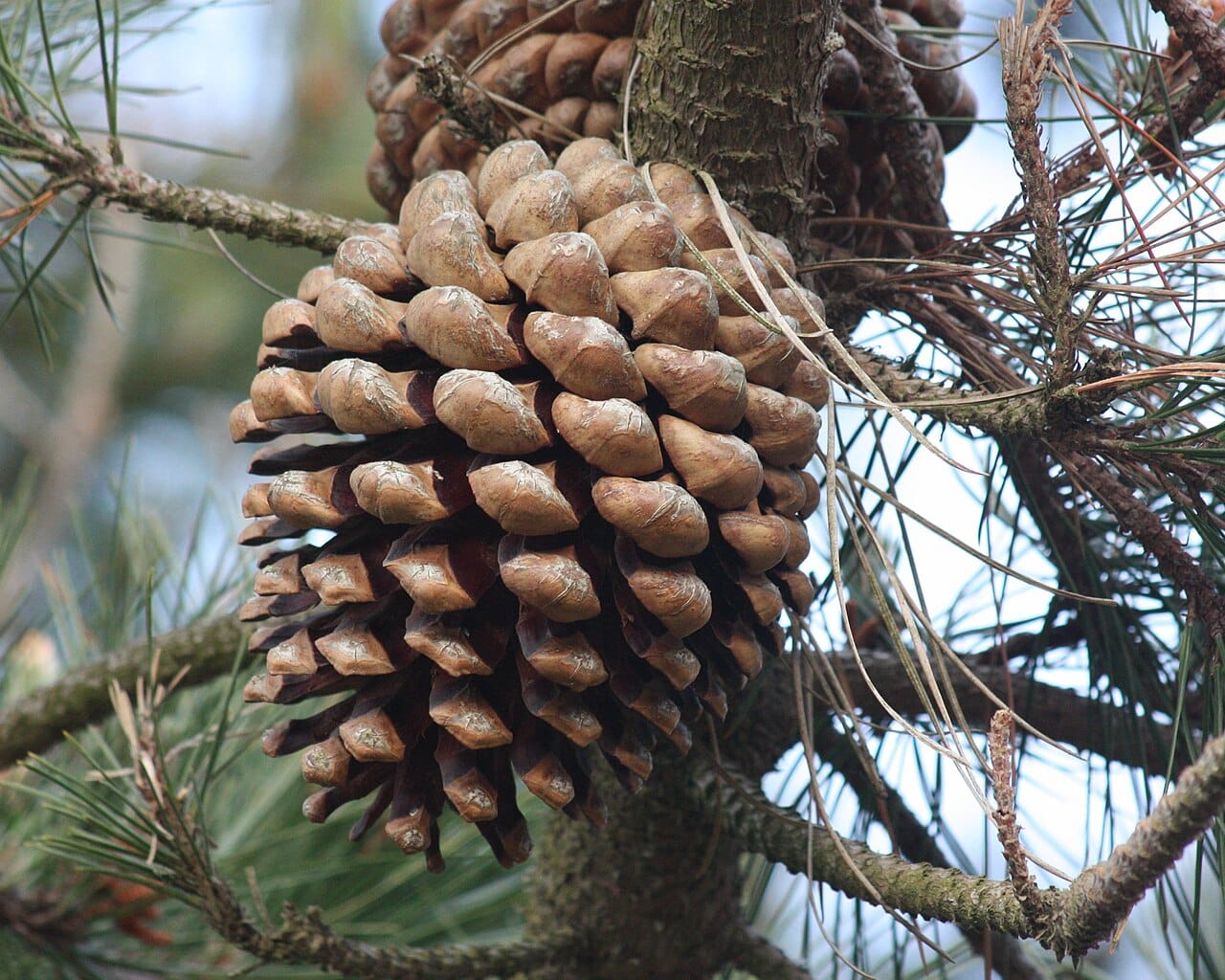
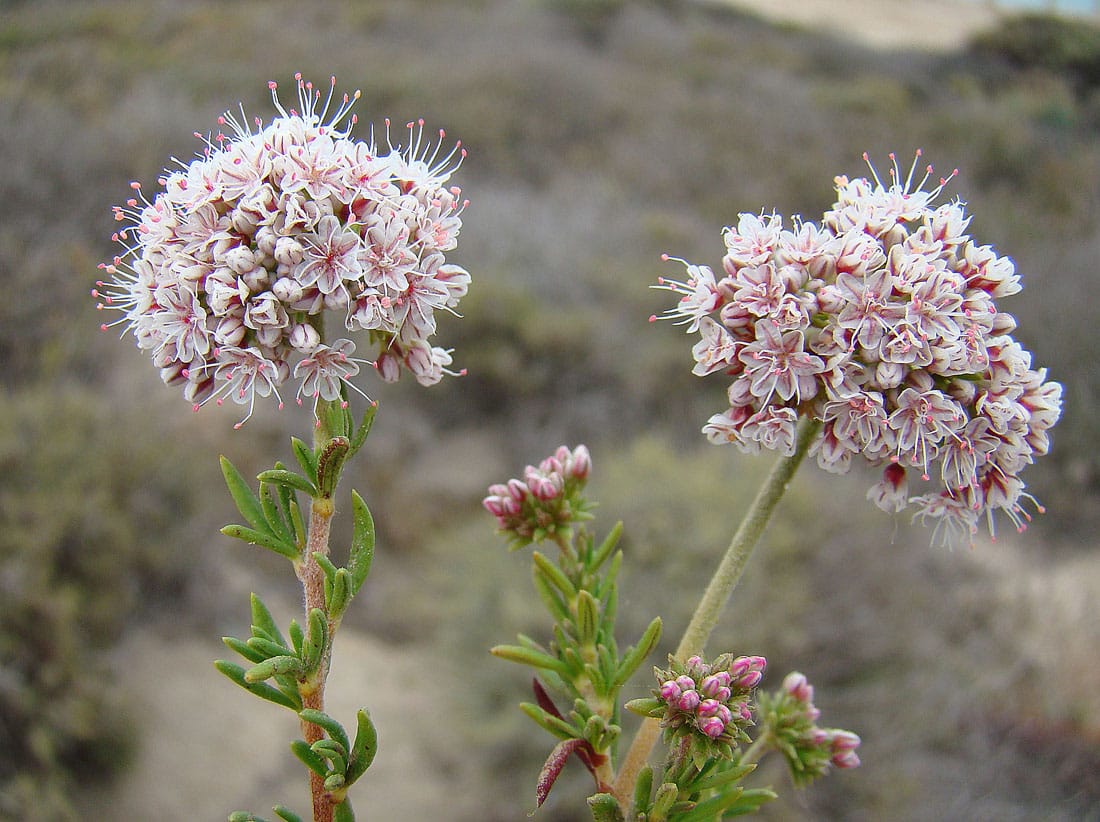
(Courtesy of The Museum of Riverside)
However, fires have grown larger and more intense than at any time on record. Decades of strict fire-prevention strategies have inadvertently resulted in a buildup of low brush and small shrubs in forest understories. This buildup allows wildfires to climb and turn into intense forest fires or even crown fires — which can burn entire forests.
This change in fire behavior has also led to a change in our state laws. In September 2020, Gov. Gavin Newsom signed Assembly Bill 3074 into law, requiring landowners to take more proactive and restrictive measures to defend their property from fire. One such change is familiar to residents as the five-foot zone. The law requires homeowners to remove dead or dying vegetation within five feet of their homes (as well as within 10 feet of chimneys). Residents who have their homes inspected by local fire agencies and are found in violation of the law can face fines and may have an increasingly difficult time finding fire insurance coverage.
One helpful solution Riverside residents can lean into is to convert yards full of water-thirsty, invasive or non-native plants into drought-tolerant landscapes full of Southern California natives. The best plants for your yard will vary with your soil type, the amount of sunlight it gets and other factors. Plants that do well in the Riverside heat include California buckwheat, California lilac and white sage.
These plants can help save on irrigation costs. They accumulate less dead and dying material than commonly planted introduced ornamental plants, saving you the time and cost of frequent pruning, and keeping you in compliance with state law!
A great resource for finding native plants that fit your garden is calscape.org, which was created by the California Native Plant Society.
By Ian Wright for the Museum of Riverside


