

Domestic silk moths (Bombyx mori) were the foundation of modern Riverside ... or rather, the failure of the silkworm industry was. In 1860s Los Angeles, the California Silk Center Association (CSCA) set its sights inland. CSCA purchased thousands of acres of land with the plan to establish a silk-growing industry. The environment was right and the moths were healthy but, in 1870, the silkworm egg boom bombed. Louis Provost, the president of the CSCA, died and with him the scheme lost its appeal.
The collapse of the silk farming industry laid the foundation for the settlement scheme known as the "Southern California Colony Association" created by John W. North, James Greves and others.
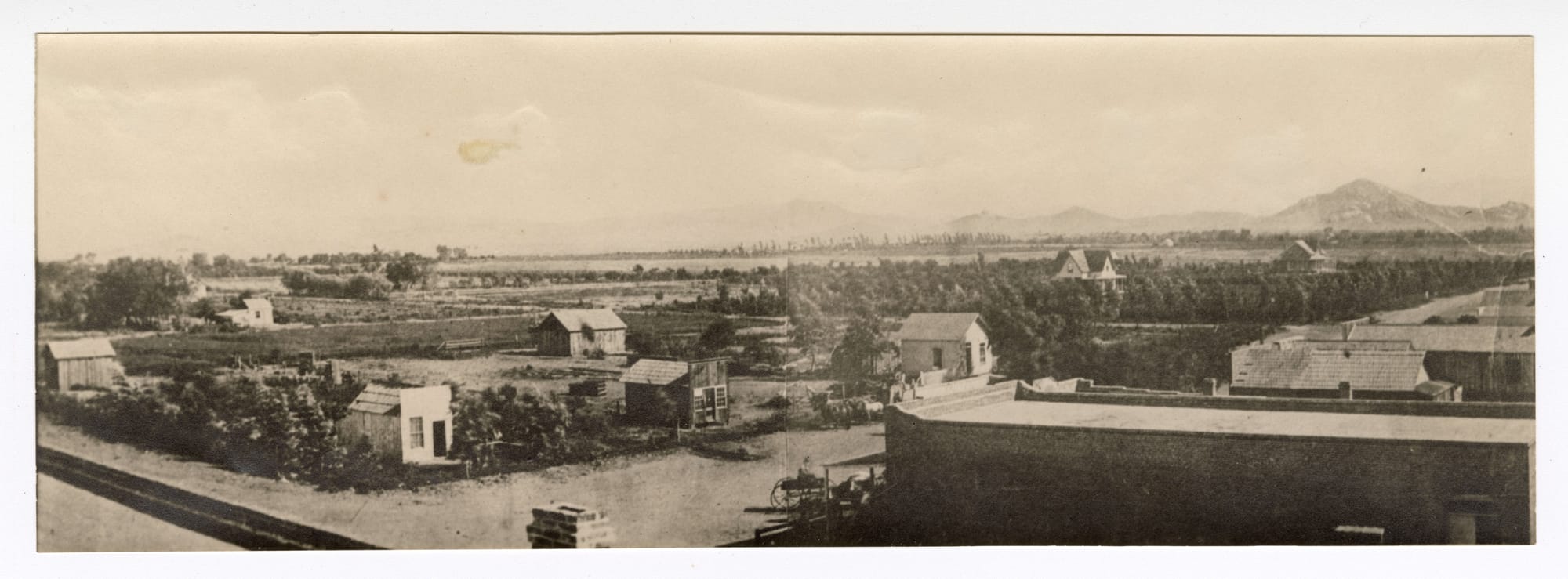
Stored in the Museum of Riverside is an incredibly powerful object documenting Southern California history, and it's only 3.5 inches long. It arrived at the Museum with a letter from the donor, dated September 27, 1971. In it, she explained, "I am forwarding it to you ... just as I found it - sealed in an envelope with a note in her handwriting ..." She added, "My mother was five years old when the family went to Riverside, so her school experience began there. I can well understand her respect for the pencil."
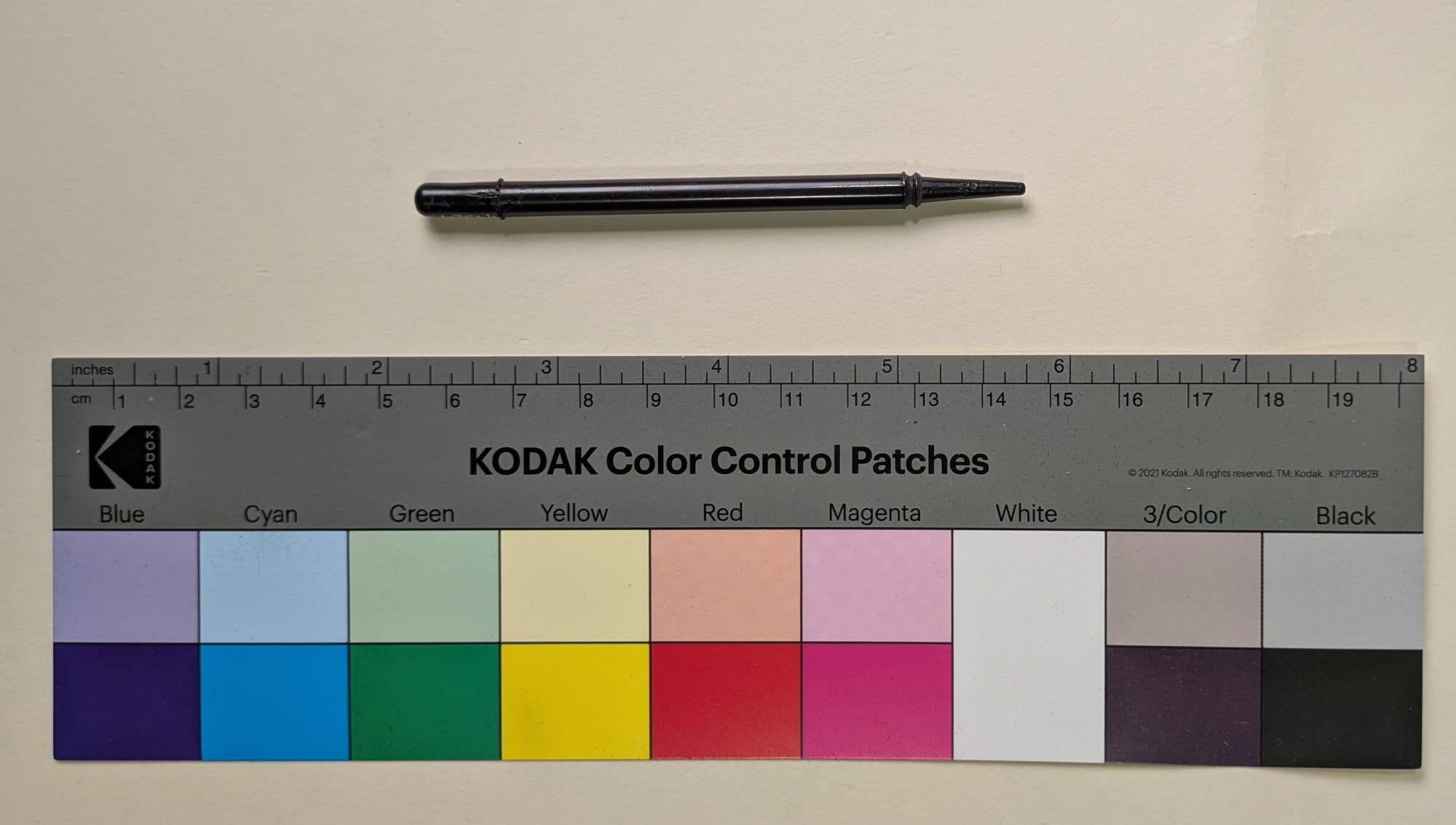
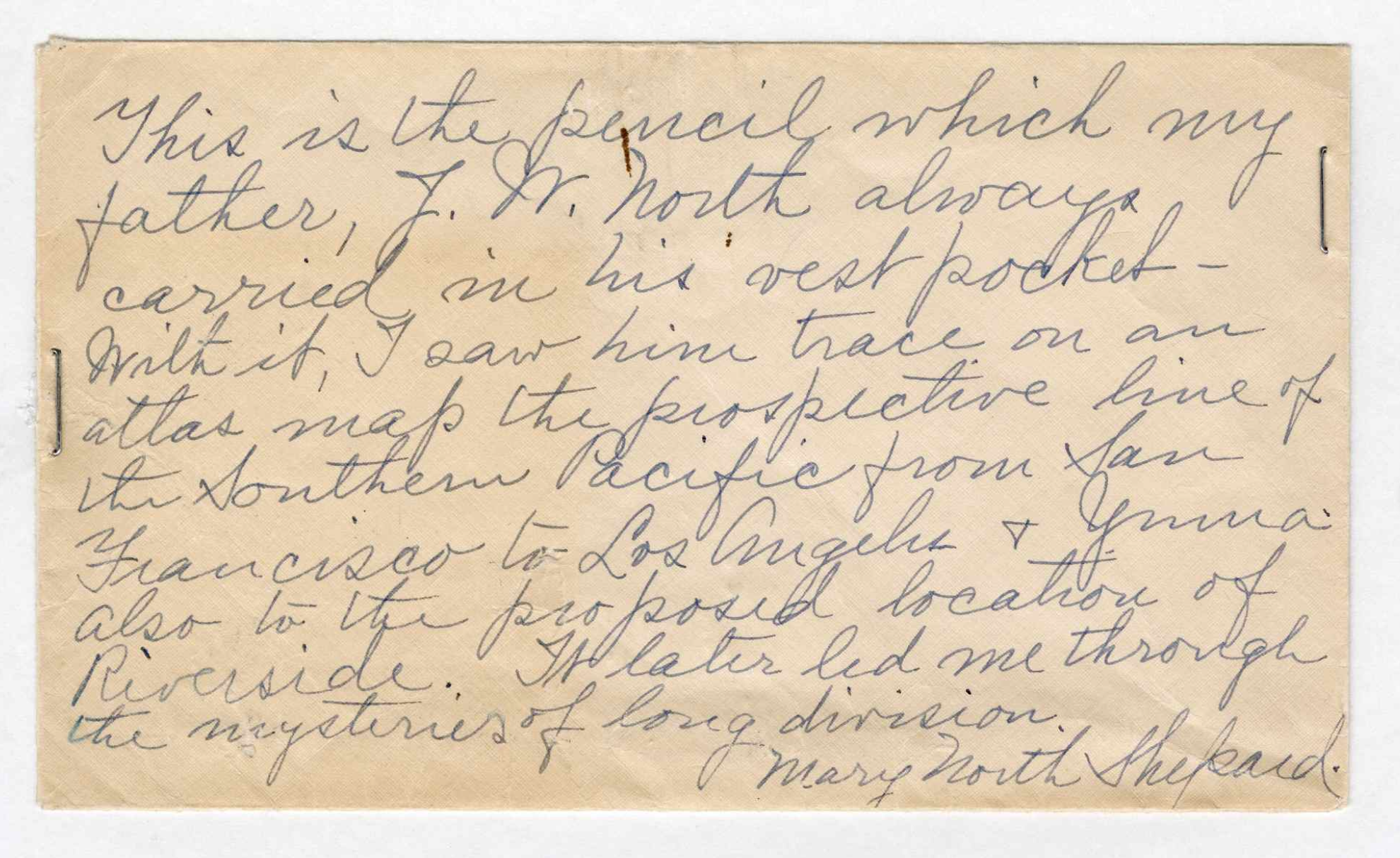
In the 1970s, John W. North's granddaughter donated several objects to the Museum, including a pocket-sized pencil that was already over 100 years old. It was inside an envelope sealed by the donor's mother (Judge North's daughter) and labeled:
This is the pencil which my father, J.W. North always carried in his vest pocket - with it, I saw him trace on an atlas map the prospective line of the Southern Pacific [railroad] from San Francisco to Los Angeles [and] Yuma also to the proposed location of Riverside. It later led me through the mysteries of long division.
- Mary North Shepherd (undated)
A moth fluttered its wings, Judge North drew on a map, Mary Shepherd felt the true weight of her father's story, her daughter saw the need to preserve it, and all these little events connected. Sometimes the smallest things can have the biggest impacts.
By Katie Grim for the Museum of Riverside


