Riverside has had a history of building iconic bridges from its earliest years to the present. These bridges—carrying people, freight, and water—served as vital connections between neighborhoods, communities, cities, states and, symbolically, countries, creating the conditions needed for the nascent city to develop and eventually thrive.
Gage Canal Flume (1885-1889)
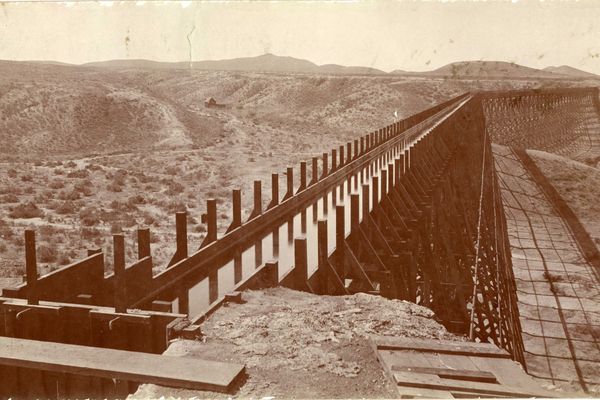
One of the earliest bridges did not convey people or goods, but the water essential for transforming the desert environment of Riverside into the verdant citrus industry of the 1890s through the mid-20th century. To bring this vital resource to the region, the Gage Canal Company relied on flumes, to move water across the various arroyos of the region. One of the most dramatic of these was the flume that crossed the Tequesquite Arroyo near where Andulka Park is located today.
Victoria Bridge (1891)
As the city expanded, residents moving into emerging neighborhoods to the south of downtown found themselves isolated by the same Tequesquite Arroyo that the Gage Canal had to cross with a flume.
After Matthew Gage and his brother-in-law William Irving laid out Victoria Avenue, they determined that they needed to establish a bridge across the arroyo to connect the new Arlington Heights neighborhood with downtown. William Irving designed the original Victoria Bridge, which opened on November 26, 1891.
Nine years later, when the Riverside and Arlington Electric Railway reached the northern end of the Victoria Bridge, the city engineer determined that the bridge could not support the weight of the electric trams. Work began in the summer of 1901 to strengthen the structure.
In 1927, this original structure was closed by the city and demolished to make way for the current bridge at the same site, which opened in 1928.
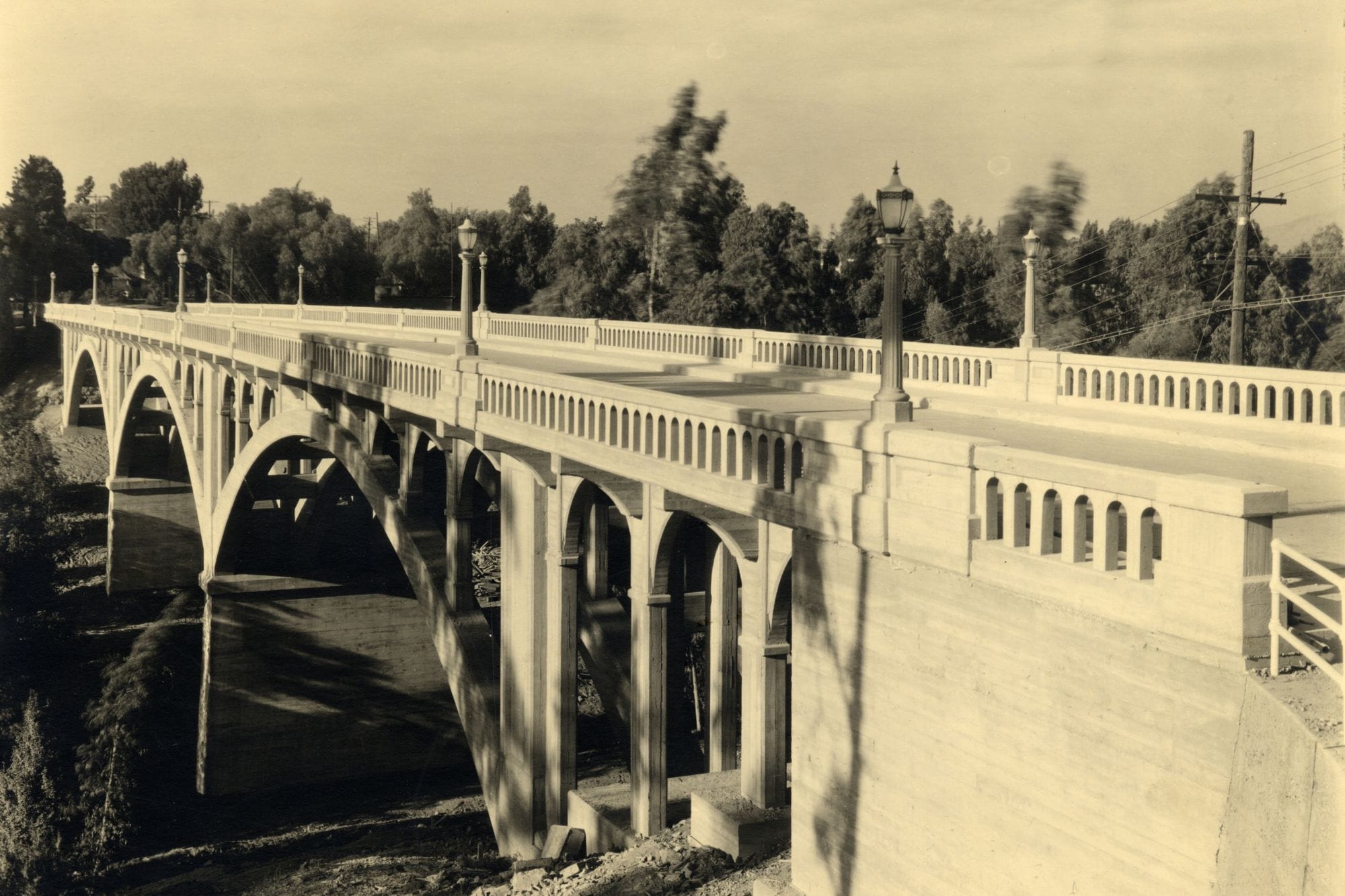
Victoria Bridge, 1928 (Courtesy of Museum of Riverside)
Union Pacific Railroad Bridge (1904)
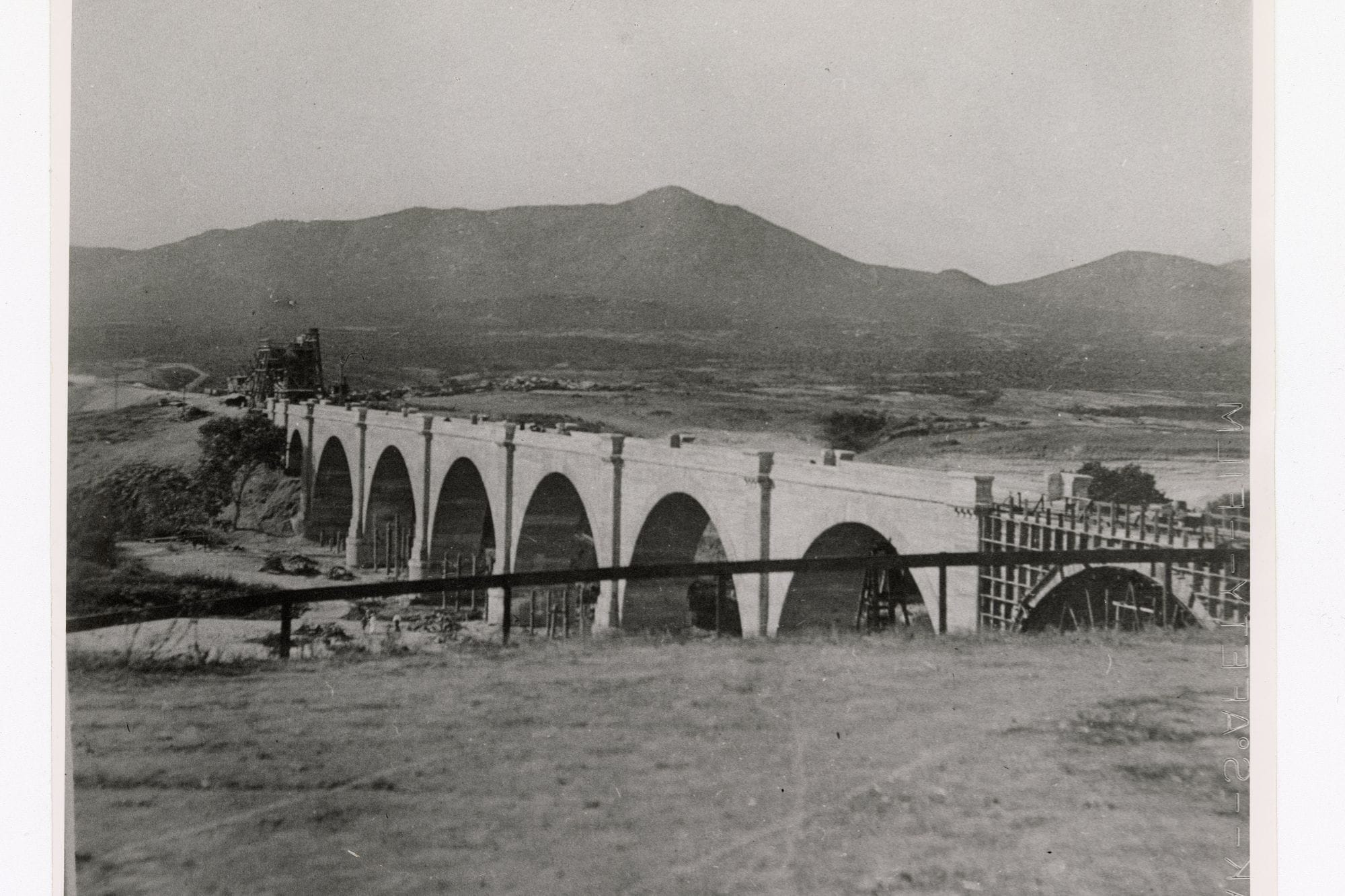
In the beginning of the 20th century, the San Pedro, Los Angeles, and Salt Lake Railroad began construction of a railroad bridge to span the Santa Ana River south of Mt. Rubidoux. The bridge would enable the railroad to extend its line through the region. It was ultimately completed in 1904, with the first train making the crossing on January 9 of that year.
Buena Vista Bridge (1907)
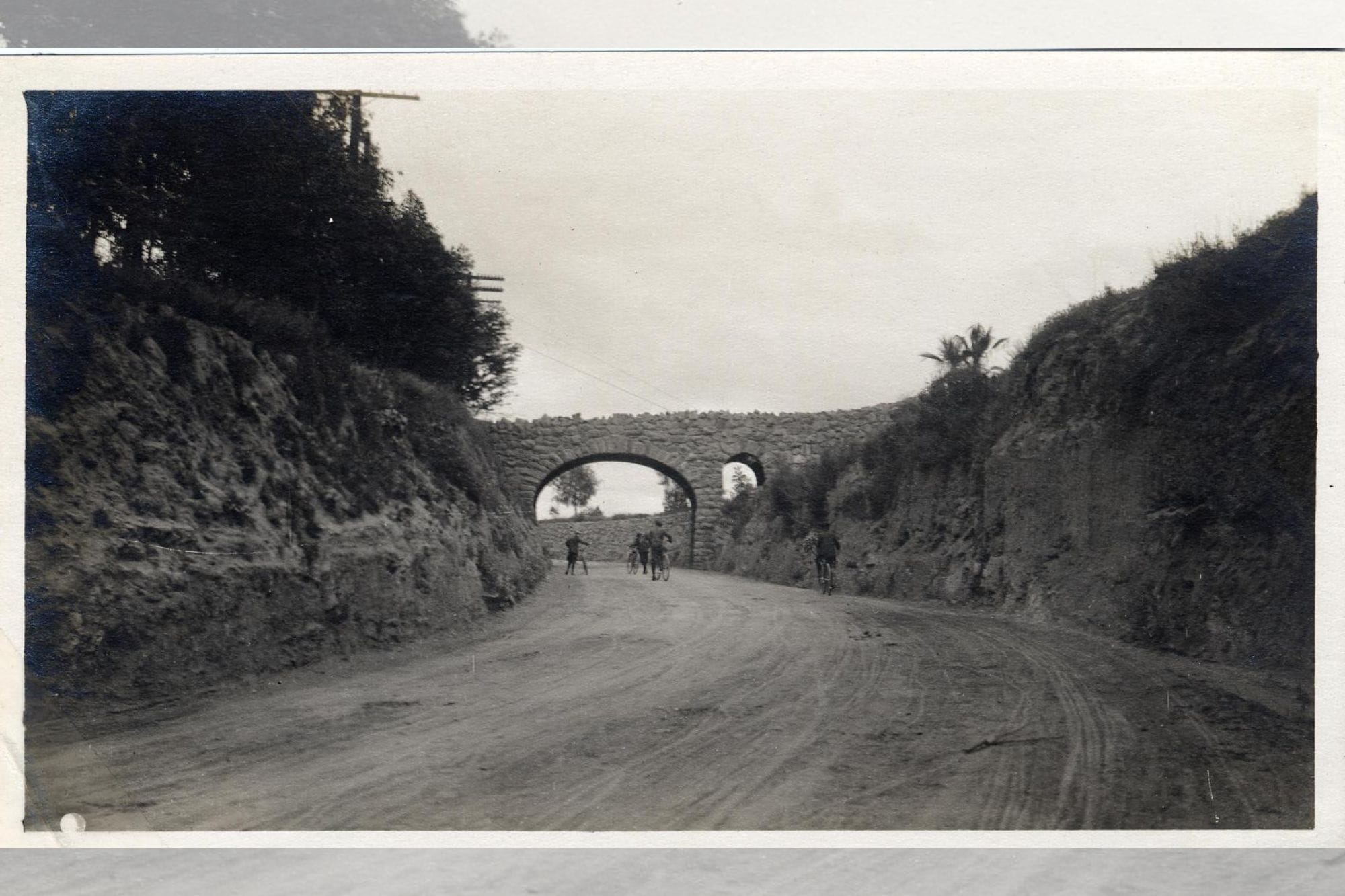
The original bridge supported a two-lane road connecting Seventh Street (later Mission Inn Avenue) to Buena Vista Avenue at the base of Mt. Rubidoux.
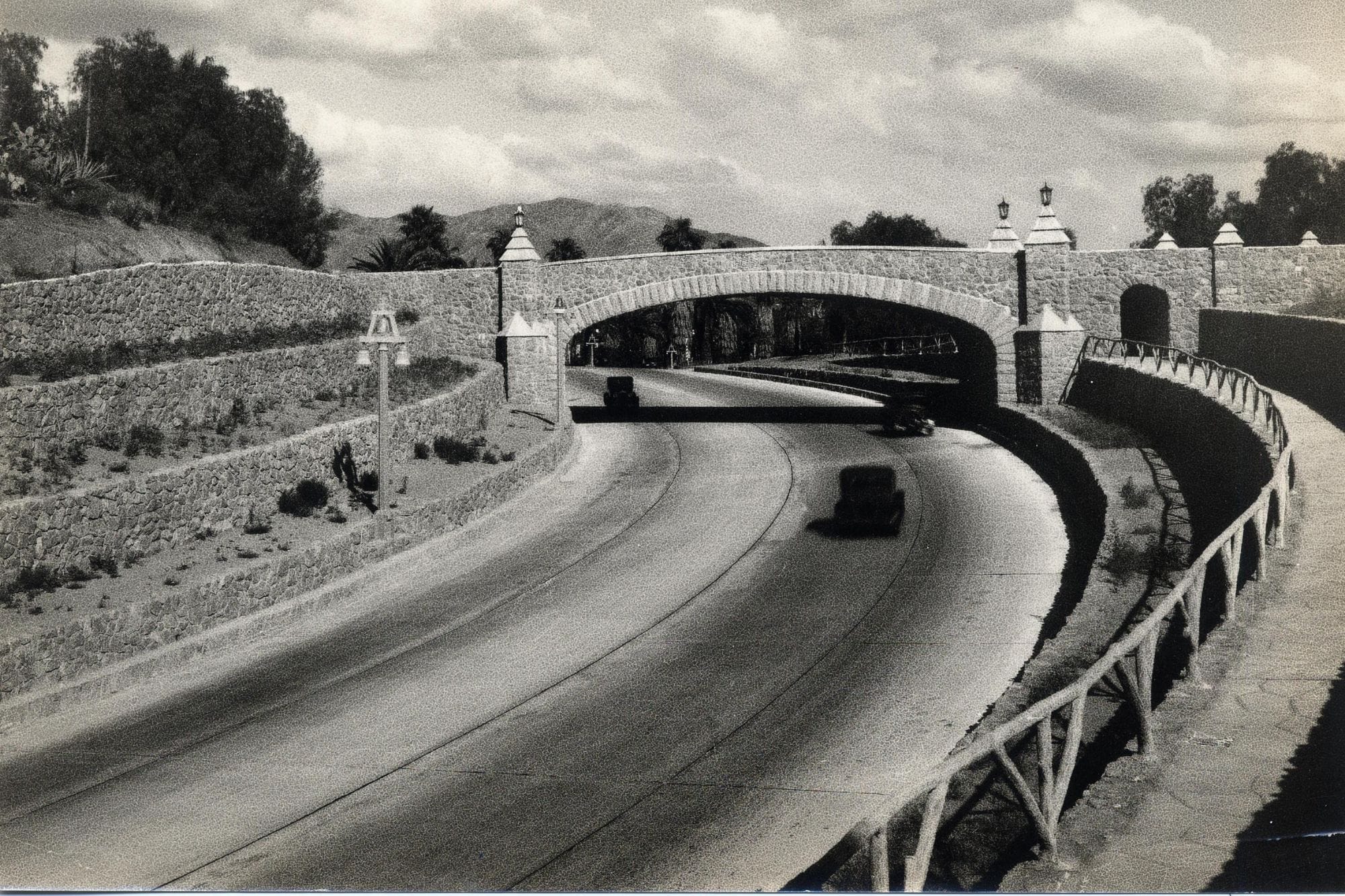
When the State of California determined the adjacent bridge across the Santa Ana River was no longer sufficient for the amount of traffic crossing the river daily in 1930, the decision was made to reconstruct the Buena Vista Bridge as part of the project to rebuild the bridge across the river.
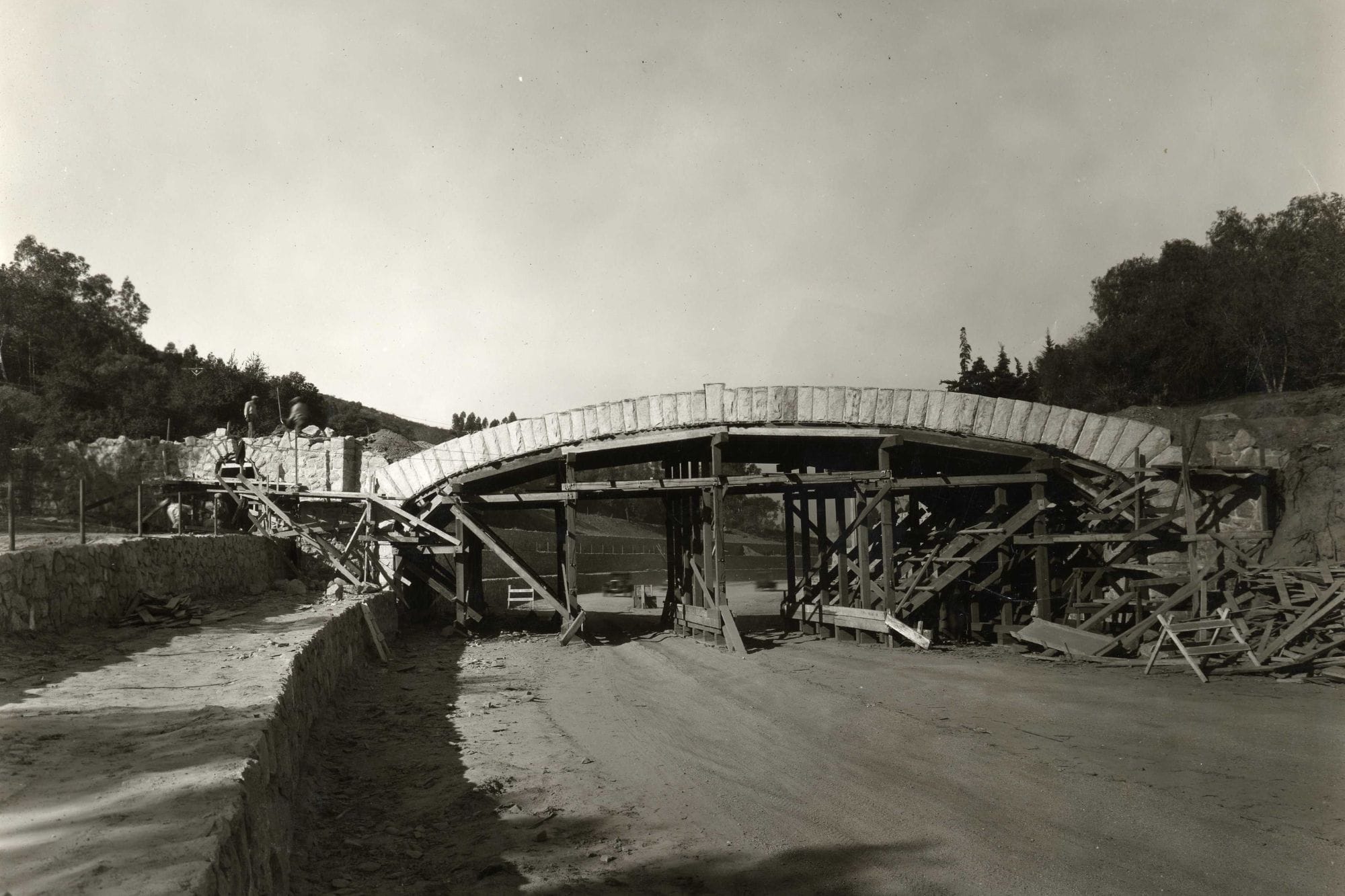
The new bridge over Mission Inn Avenue was opened in 1932.
Mission Boulevard Bridge (1923)
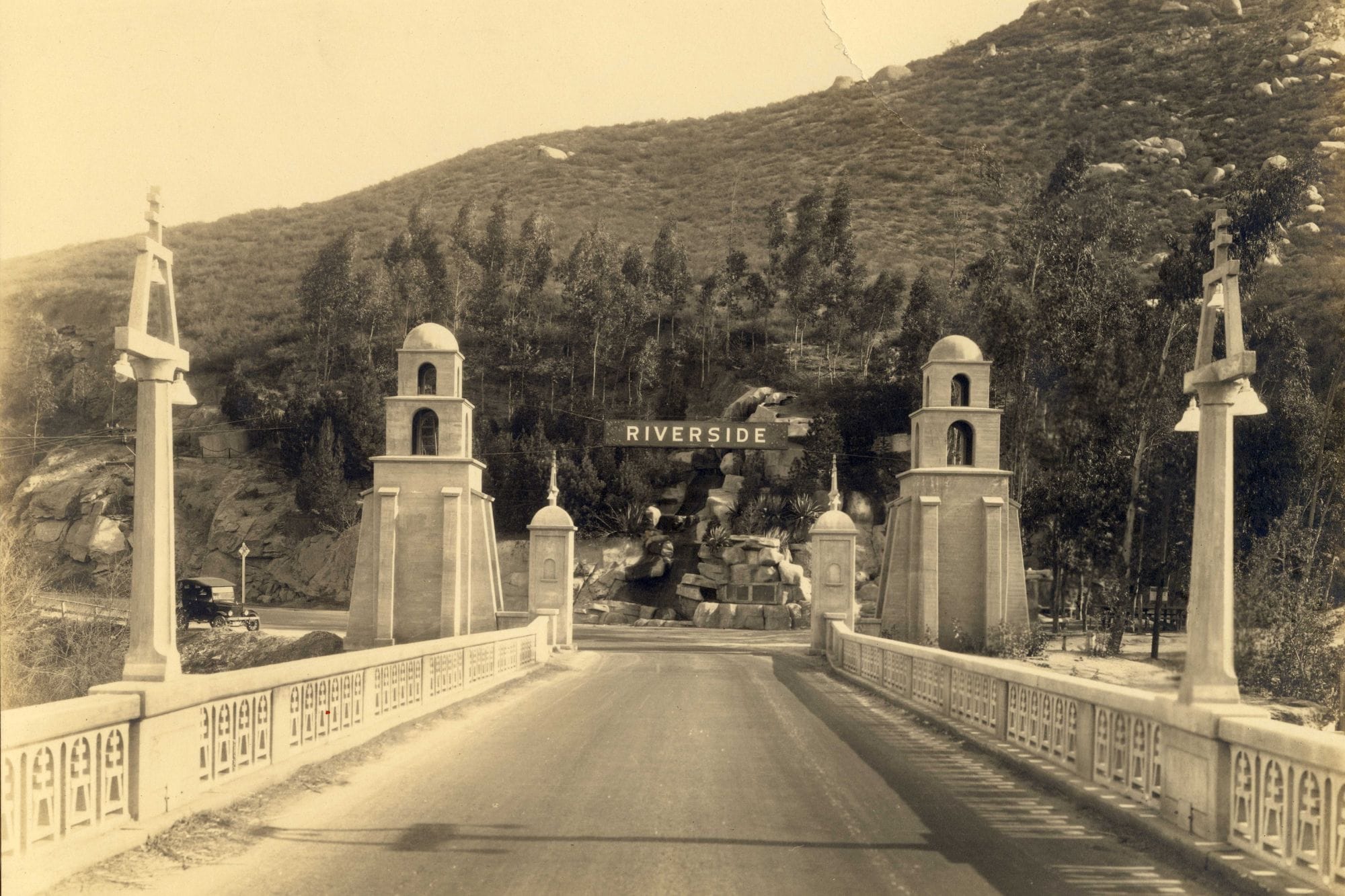
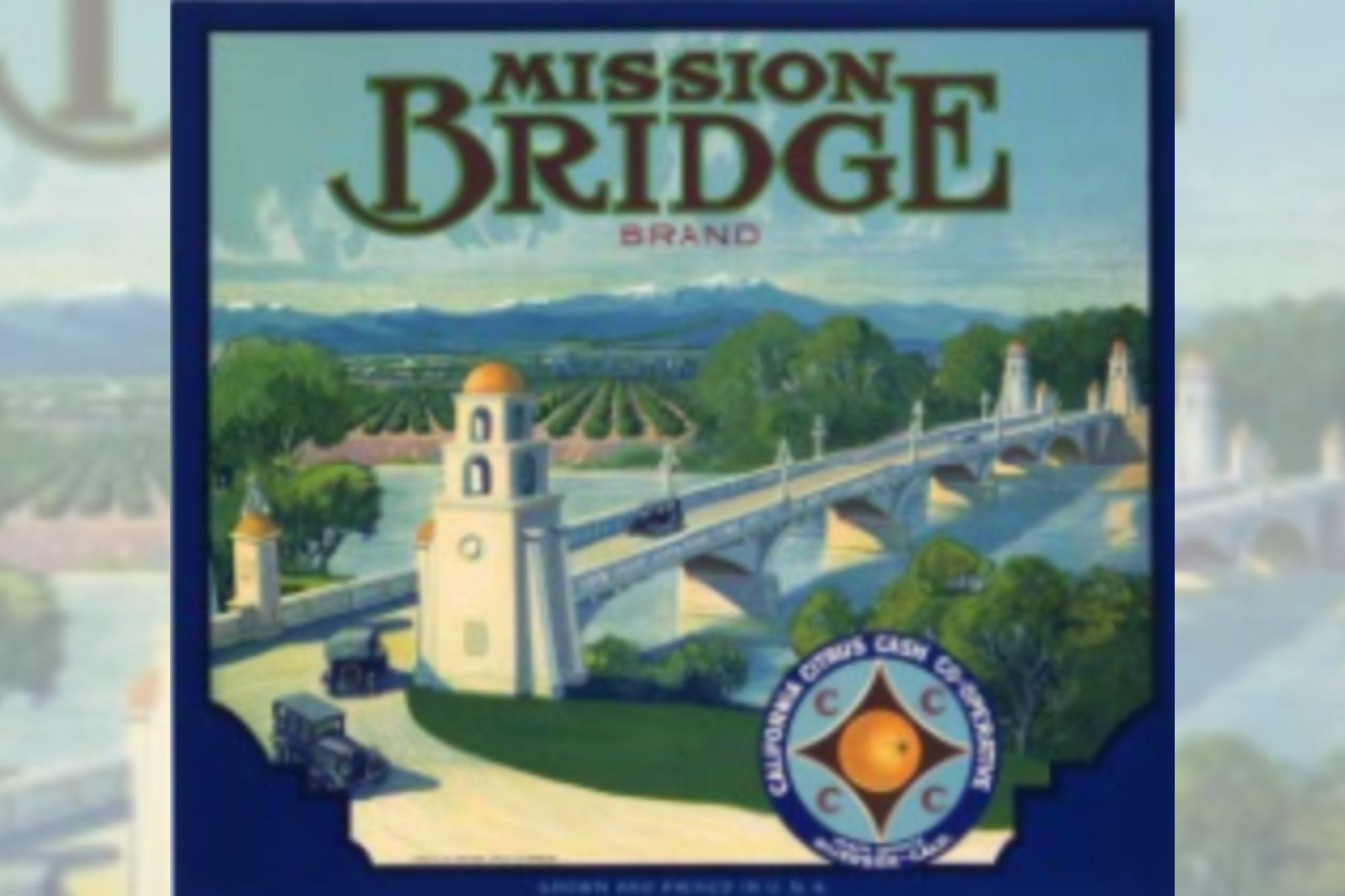
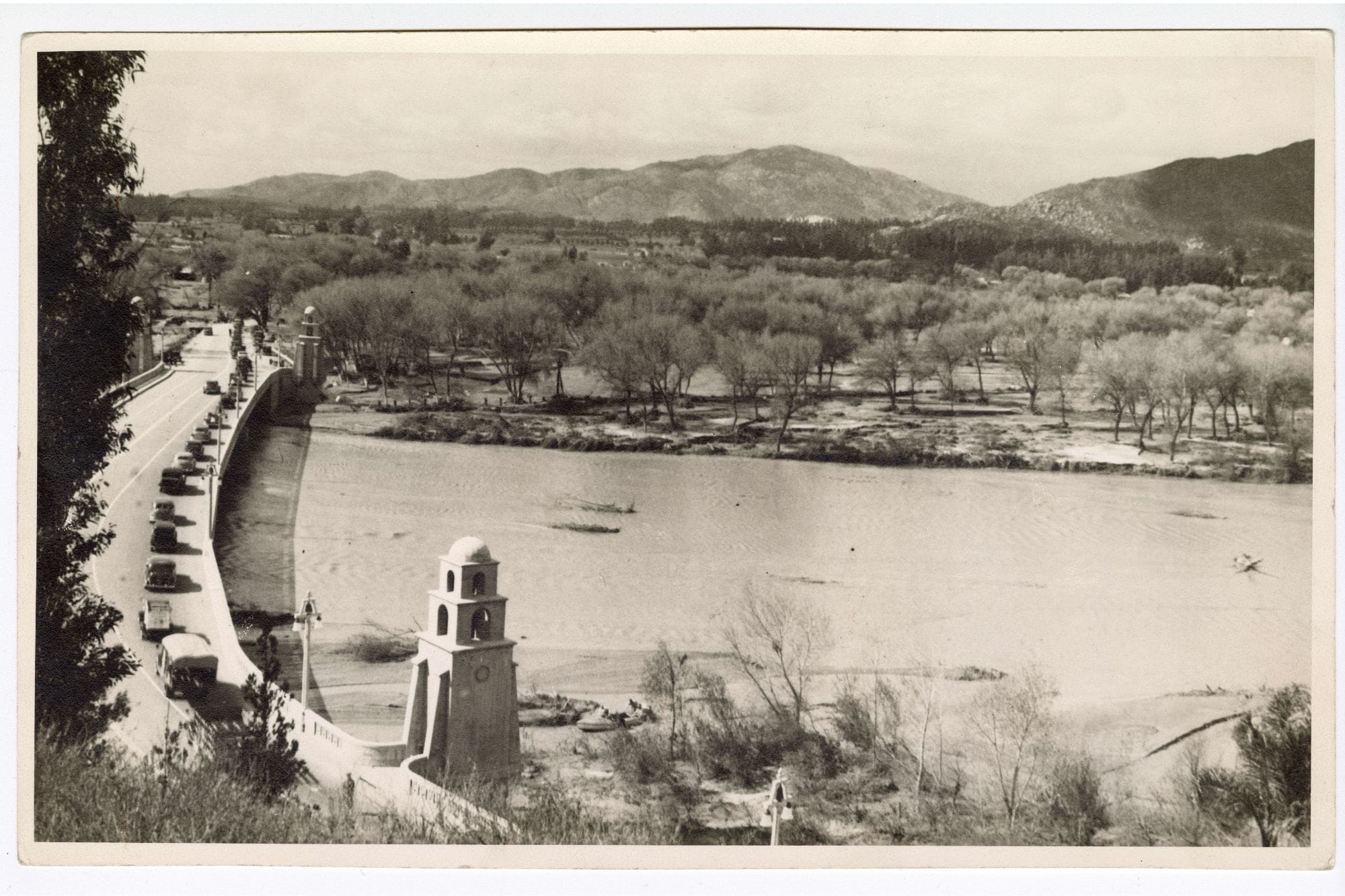
The Mission Boulevard Bridge— alternately known as the Rubidoux Bridge, the Santa Ana River Bridge, and the Mission Bridge— was built in 1923 and later widened in 1931. When it opened, it was renowned for its Mission-style architecture.
Originally opened as a single-lane bridge, it connected Riverside with West Riverside, the future community of Jurupa Valley.
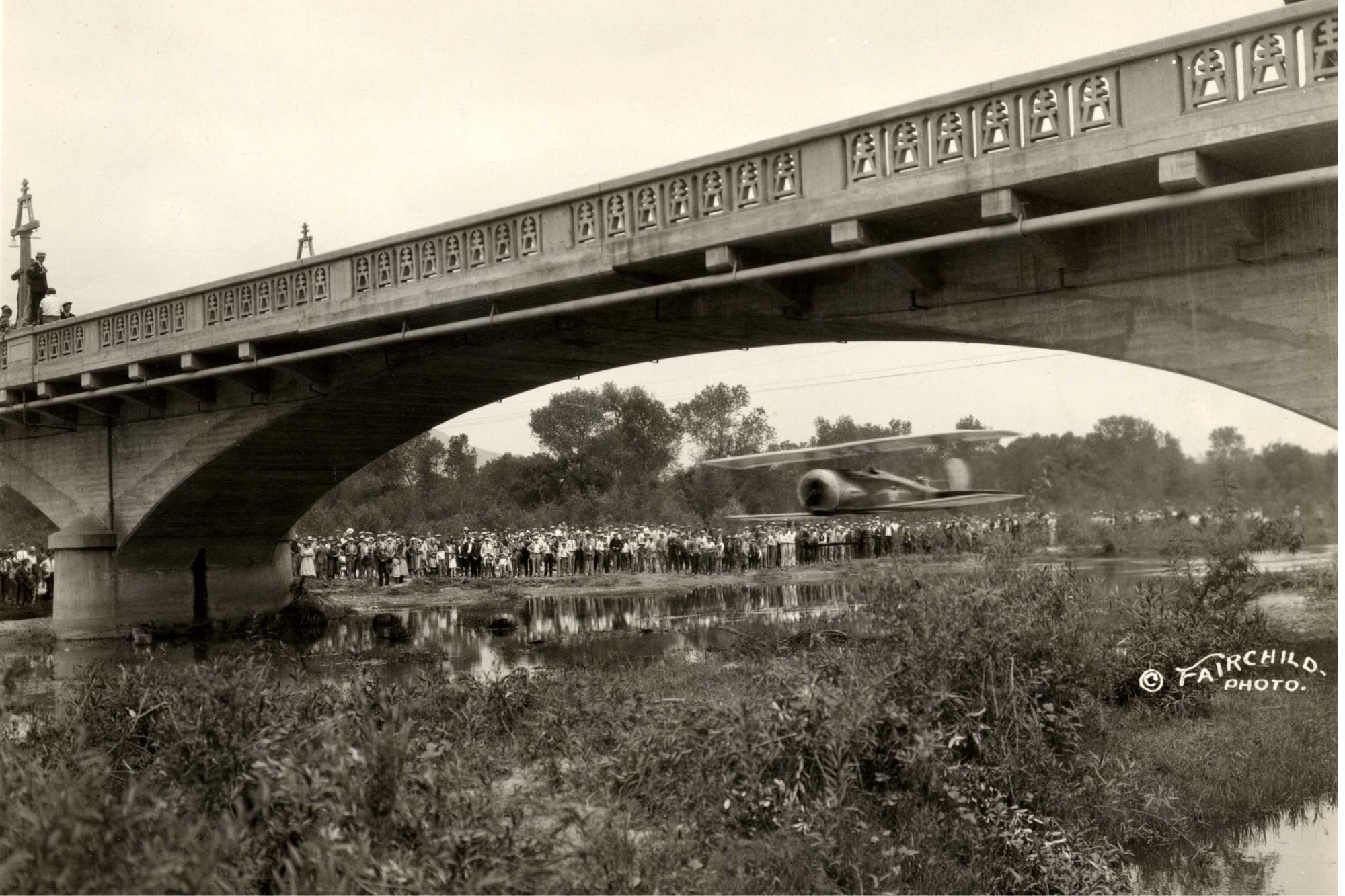
In 1926, Roman C. Warren, a daredevil aviator, flew his single-engine biplane under one of the spans of the bridge on June 13.
In 1938, heavy rains began falling in February and continued into March, spawning a major flood of the Santa Ana River that destroyed the Mission Bridge as well as other bridges along the course of the river.
Friendship Bridge, Mt. Rubidoux (1925)
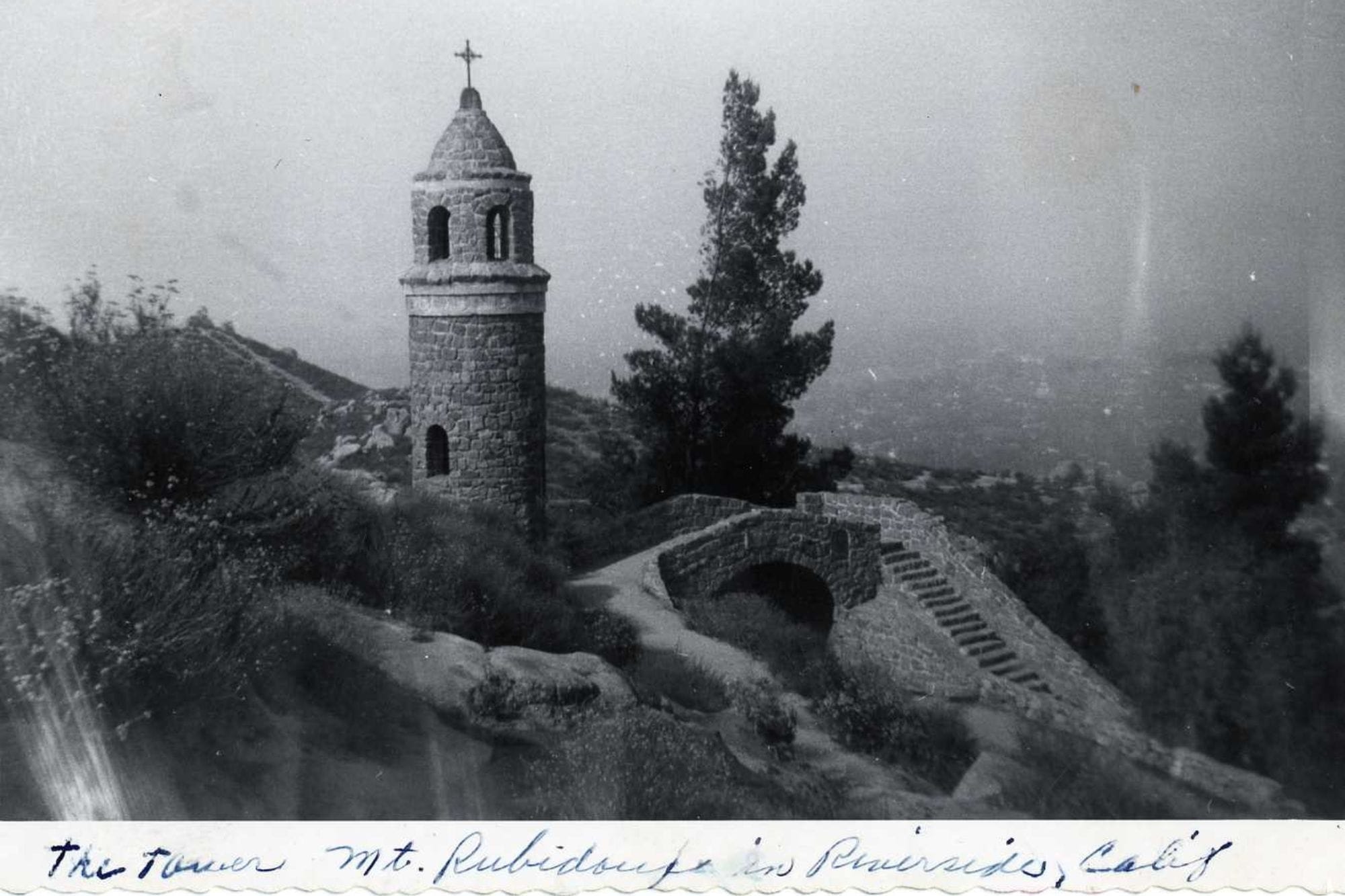
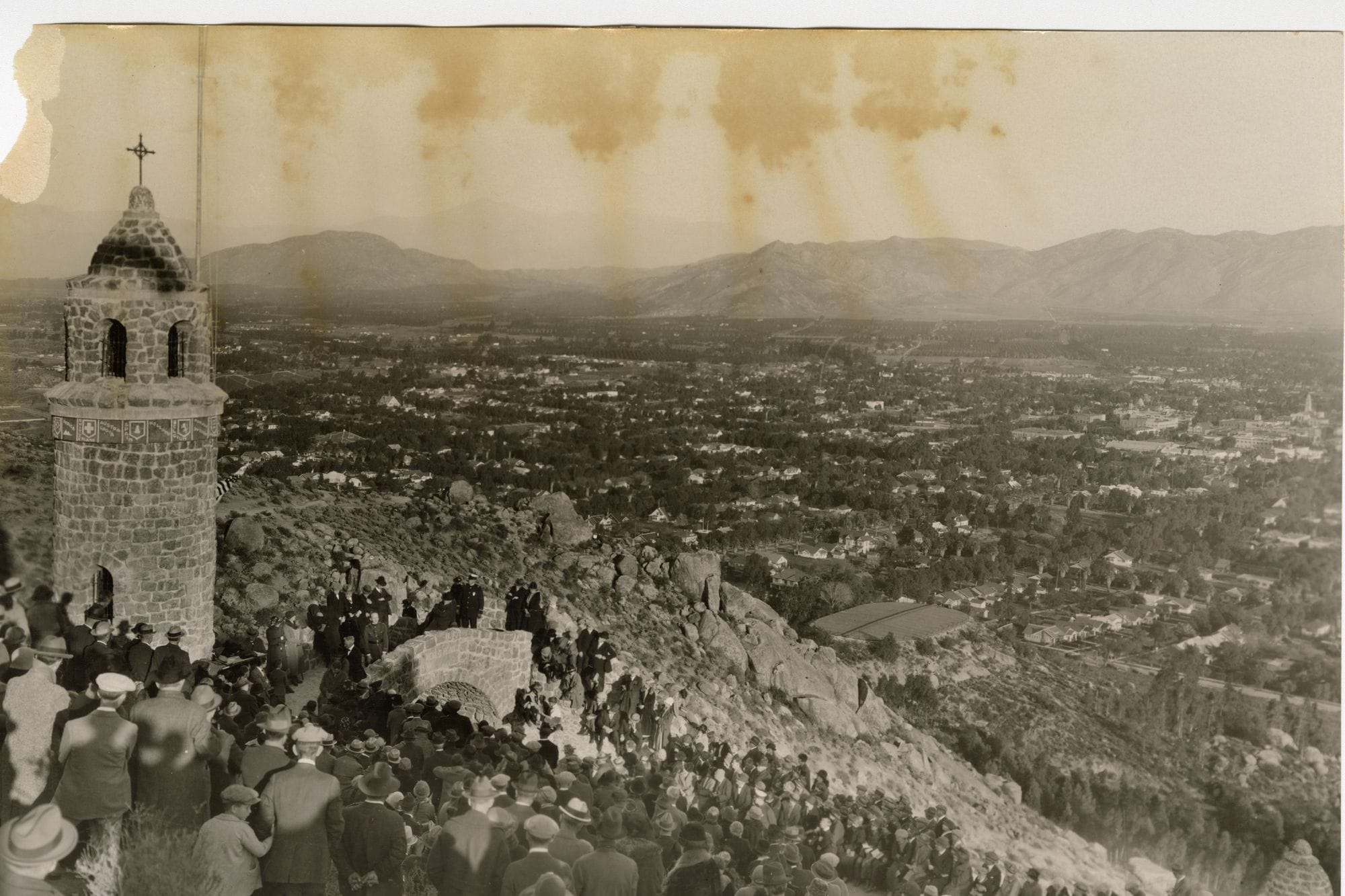
The World Peace Tower and its associated Friendship Bridge were built in honor of Frank Miller, proprietor of the Mission Inn. Completed in 1925 while Miller was away on vacation with his wife and sister, the project came as a surprise to him.
At the commemoration ceremony on December 13, 1925, approximately 2,000 people gathered to celebrate Miller and his commitment to peace and to fostering connections between people of the United States and communities around the world.
Further Reading: Hanley, Theresa, Steve Lech, Glenn Wenzel, and Nancy Wenzel. 2024. Riverside Compendium: Celebrating Local History in Riverside, California. Riverside, CA: Riverside Historical Society.
By Steven Mandeville-Gamble for the Museum of Riverside