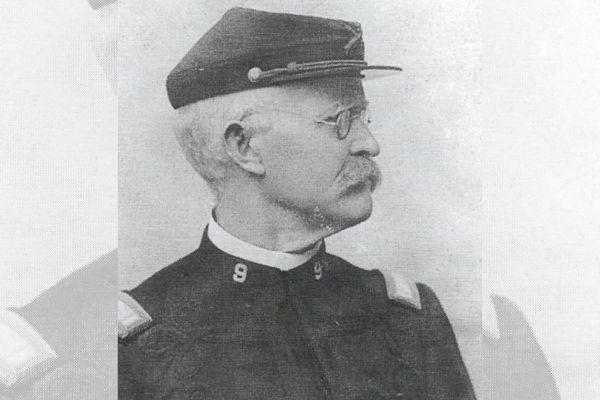

Early Riverside had many colorful entrepreneurs among the pioneer settlers. One such pioneer was Charles T. Rice, born on December 2, 1843, in Kennebec, Maine. He served in the Union Army during the Civil War and mustered out as a corporal. He returned to Maine after the war but later relocated to Indianapolis, Indiana, where he married Emma Noland on August 11, 1877. There in Indianapolis, on March 9, 1878, their daughter, Anna Alden Rice, was born.
The Rice family arrived in Riverside in 1880. He was an experienced carpenter and contractor and in early 1881 went to work for Augustus W. Boggs, an architect who had recently moved to Riverside from Los Angeles. Charles helped build Boggs' first home located at the northeast corner of Market and Ninth Streets.
Some of the other building projects in Riverside in which Charles Rice participated were the John Jarvis House at 4492 Twelfth Street (City Landmark #78), the Stephen Magee House at 4529 Sunnyside Drive, the Samuel Ames House at 4811 Brockton (City Landmark #108), the Lorenzo Scranton House at 4595 University, and the Charles Low House at 6963 Palm (moved in 1959 to 7121 Magnolia Avenue).
In 1888, Rice was the contractor at the Glenwood Cottage, adding a ladies' parlor, a large office, and doubling the size of the dining room. The renovations cost $3,000.
Rice had served in Company A of the 16th Maine Infantry in the Union Army during the Civil War. As a veteran of the Grand Army of the Republic, he was a founding member of GAR Riverside Post 118 in 1886. Other founding members included C. C. Miller (father of Frank A. Miller), Otis T. Dyer (the first banker in Riverside), and James Roe (early Riverside historian and newspaperman).
When President Teddy Roosevelt visited Riverside on May 7 and 8, 1903, Captain C. T. Rice was the chairman of the committee that organized the parade. The various bands and veteran units met the carriages carrying Roosevelt and the other dignitaries at the corner of Fourteenth and Lime Streets and led the procession downtown to the newly opened Glenwood Mission Inn. Rice served as marshal for the parade and, on horseback with his aides, led the parade as it proceeded.
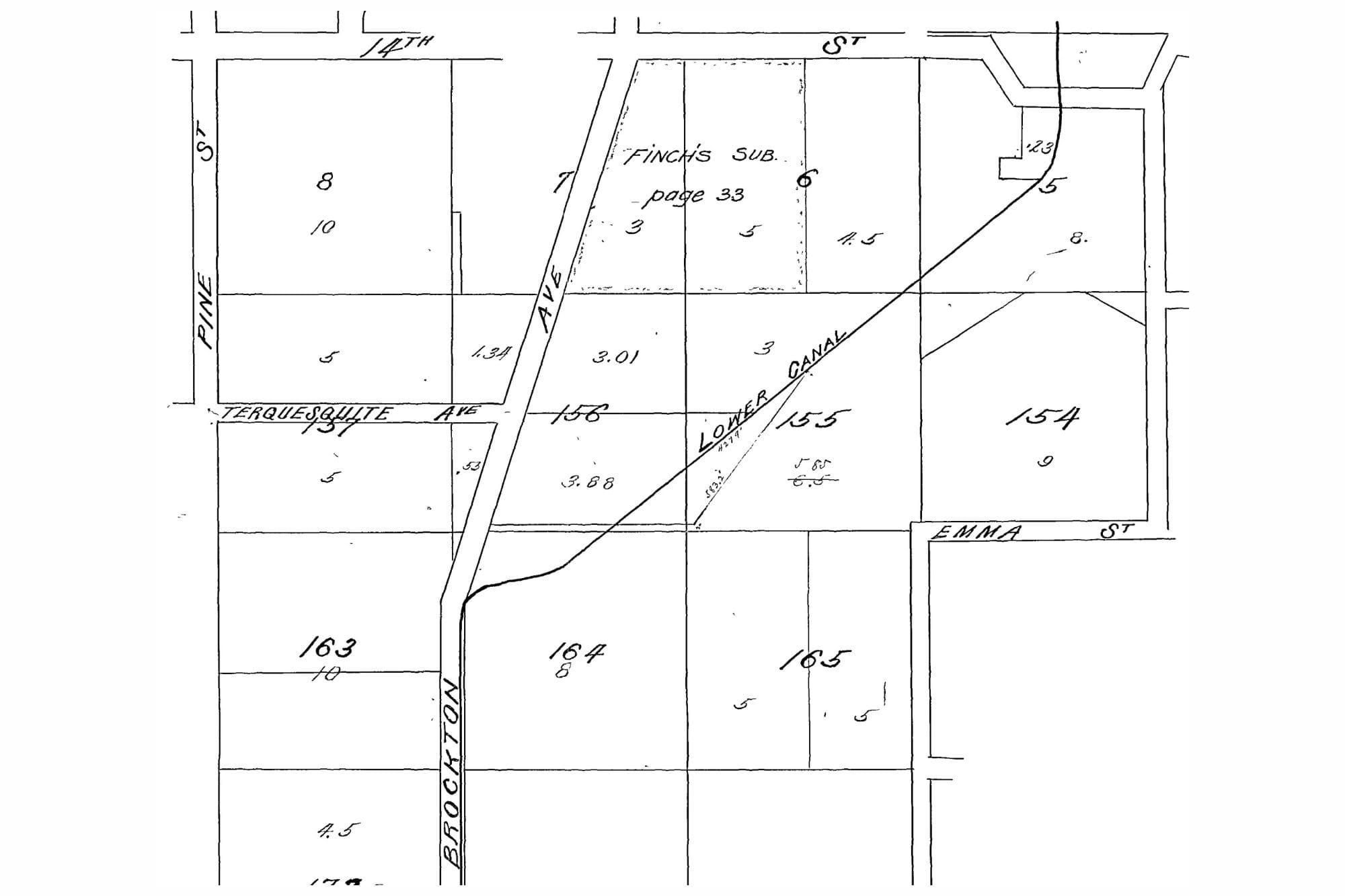
Charles Rice and his wife, Emma, purchased approximately eight acres along Brockton Avenue. The property (Lot 164) was a little below Tequesquite Ave. The Lower Canal crossed the top corner of the Rice property, with the one end of Flume Trestle on this property. In addition to oranges, they grew grapefruit and pomelo or shaddocks (the largest natural citrus fruit, originally from Southeast Asia).
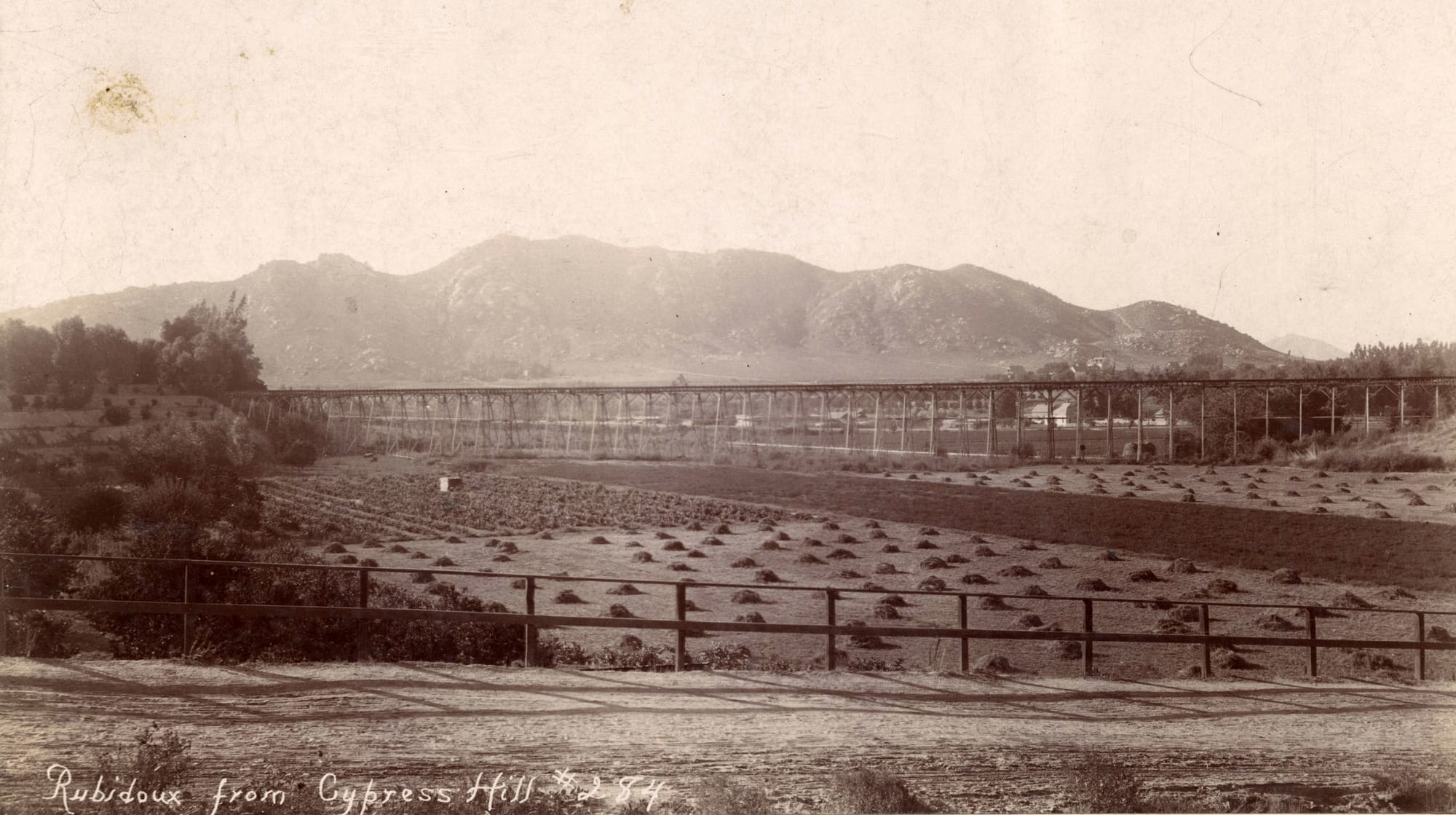
With his property on the edge of the Tequesquite Arroyo, Rice came up with the idea to terrace the slope and plant citrus trees on level terraces. He is credited as the first to do so. Later, growers such as Ethan A. Chase and Cornelius Rumsey copied this practice in their groves.
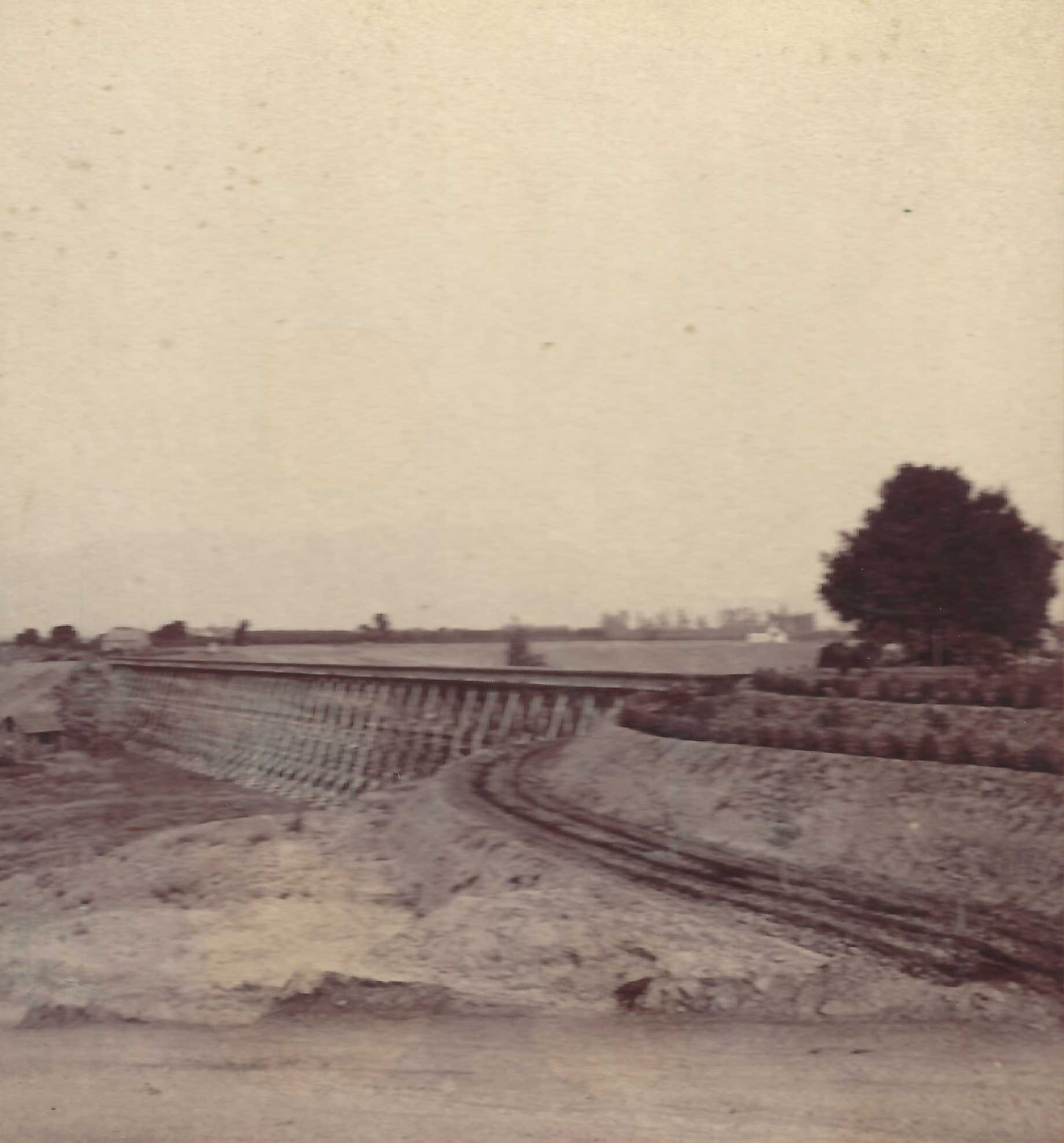
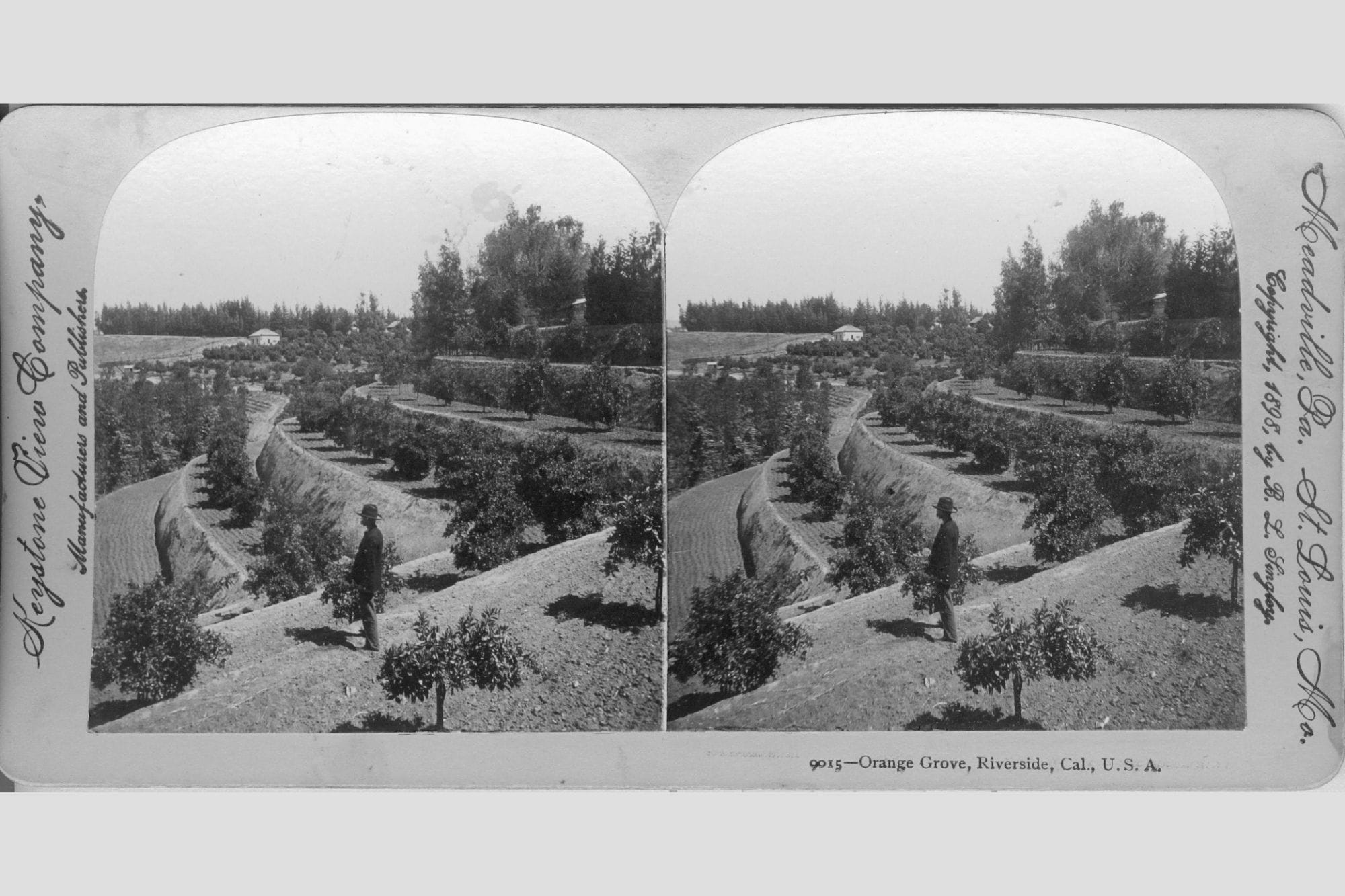
The Rice family lived at 214 Brockton Avenue. Today the site is approximately where Rice Road connects to Brockton Avenue. At that point, Brockton begins to descend on what was known as Rice Hill. In early city directories, Charles is listed sometimes as a farmer and sometimes as a contractor, displaying his dual occupations.
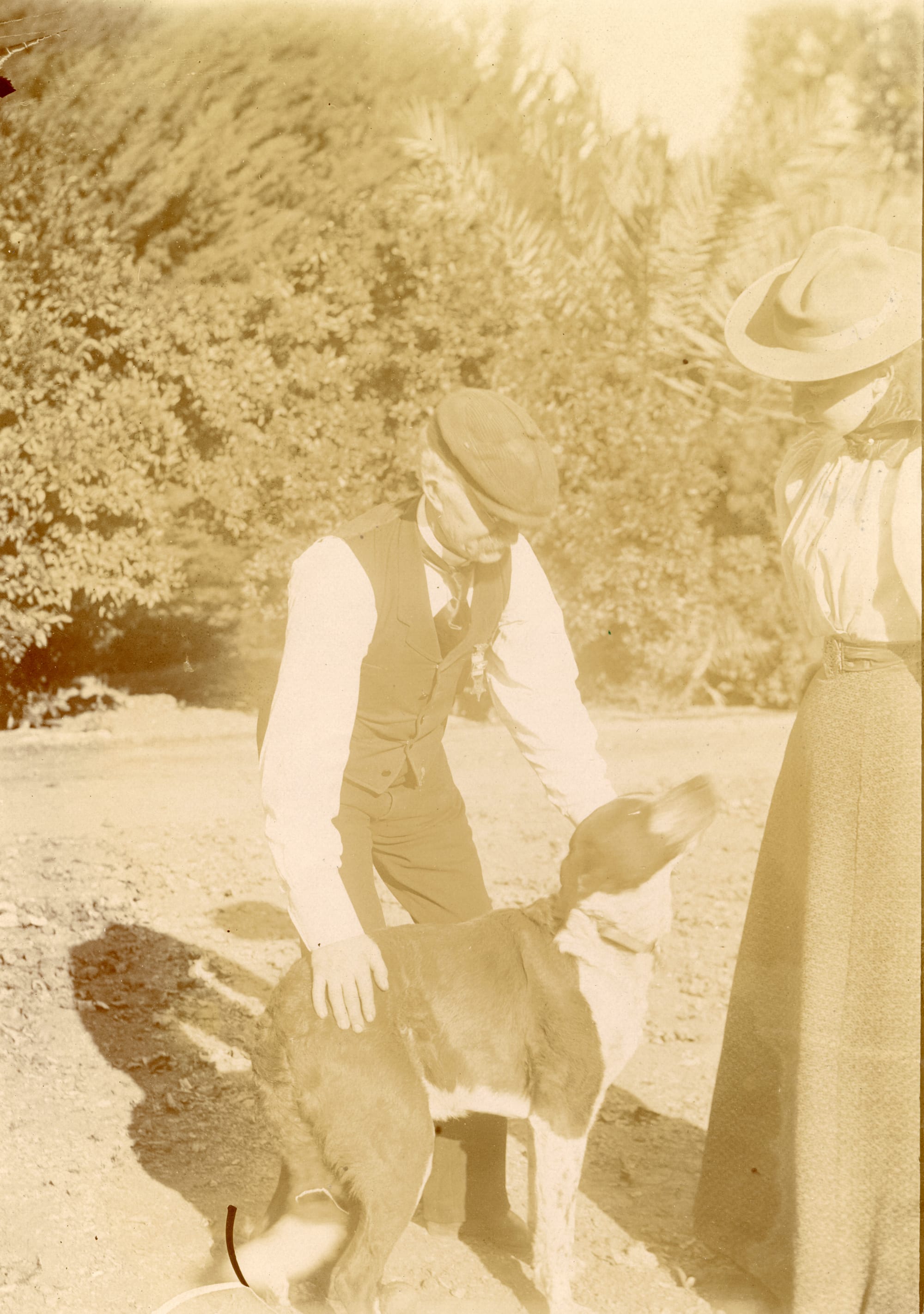
Emma Rice, Charles' wife, died on July 26, 1915. Her father was William W. Noland, an early pioneer who also came to Riverside in 1880 and became the first city marshal when the city incorporated in 1883. He later became a justice of the peace. Emma was survived by her husband and her daughter Anna. In 1903, Anna married Joseph S. Bordwell. Mr. and Mrs. Bordwell had a son, Alden, born in 1905 in Riverside. Alden became a beloved Riverside doctor and city sports booster. Bordwell Park in Riverside was named for Dr. Alden Bordwell, grandson of Charles and Emma Rice.
Charles T. Rice, noted early Riverside pioneer, citrus grower and builder, lived his last two years in Los Angeles. He died on October 20, 1919, in the Veterans Hospital in Los Angeles. He was buried next to his wife in Evergreen Cemetery.
Years later, when the Rice Ranch was subdivided for streets and housing, the main street crossing through the northern part of the property from Magnolia Avenue to Brockton Avenue was named Terracina Drive (Latin for Terrace). This was actually an extension of Terracina Drive, which ran from Olivewood to Magnolia Avenue along the southern edge of the old Poly High School campus (now Riverside City College). Originally called North Street, the residents in 1913 petitioned to change the name to Terracina. The street still runs through the RCC campus, and the college's main address is 3601 Terracina Drive.
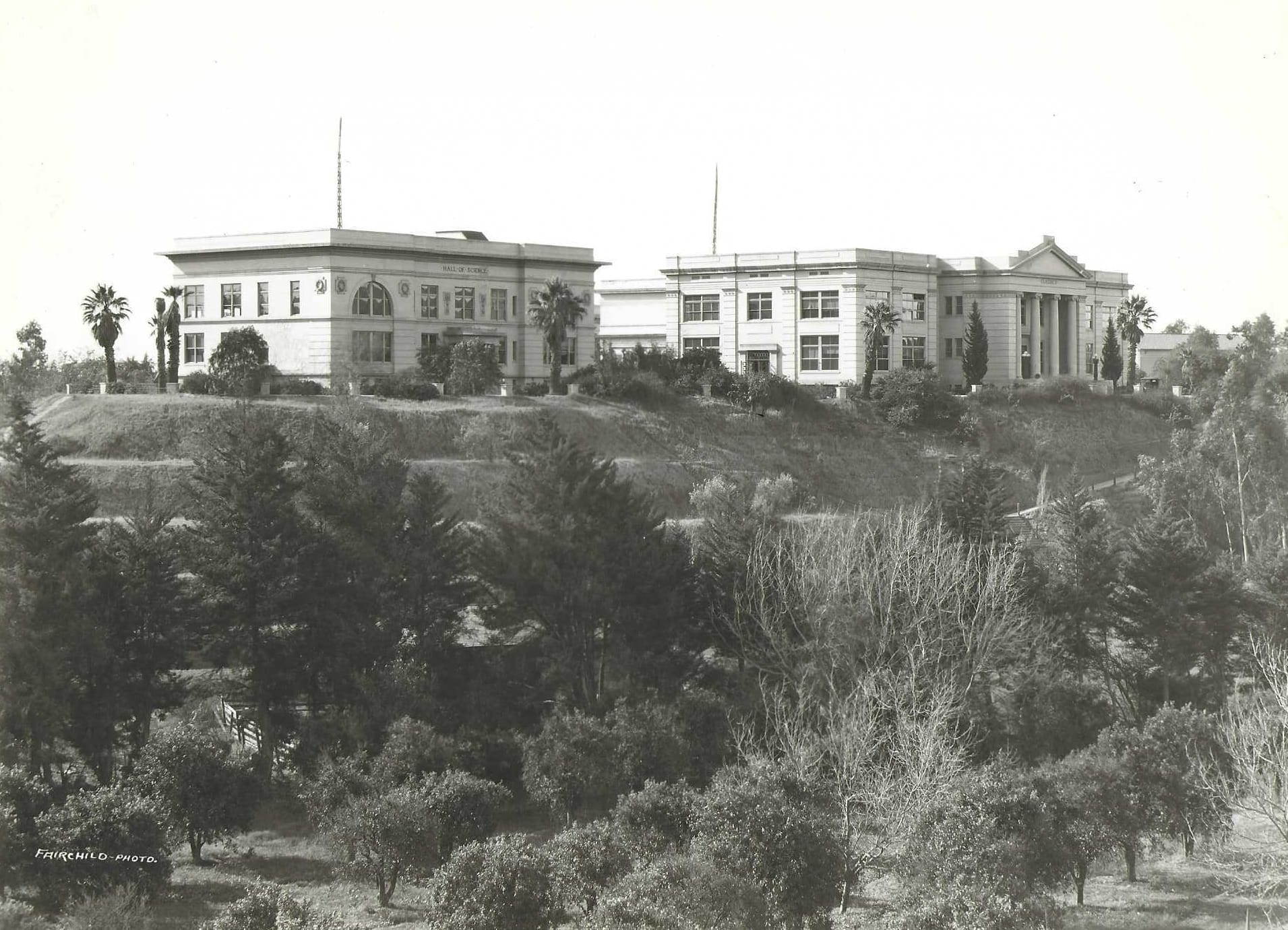
As the tract was developed, beginning in 1937, a short street curving from Terracina to Brockton was named Rice Road after Charles Rice. A very short street off Rice Road was named Norton Place, named for the developer C. T. Norton.