The arrival of Europeans and their conquest to eradicate and/or assimilate Native people backfired when many began to use the very systems put in place to assimilate them to their advantage. Boarding schools successfully produced Native people seeking a higher education. Unsatisfied with labor work, they developed an eagerness to learn beyond a basic education. So much so that Riverside has one Cahuilla man to thank for the University of California, Riverside.
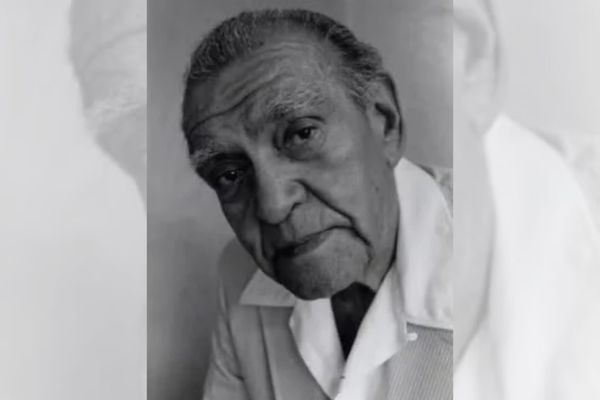
Hemet, California, is the birthplace of Rupert Costo of the Kostakik clan in 1906. However, there is no birth certificate to account for, so the exact year may be between 1906 and 1911. At this time, Riverside, only 36 years old and still undergoing transition, was quickly becoming a desirable place for wealthy people to invest and live. Native people had been pushed to areas surrounding the rapidly growing city. They stuck around only to work, as their homelands could no longer sustain their traditional ways due to encroachment for development, the citrus industry and commerce. Costo, the great-great-great-grandson of in-the-line of hereditary chiefs, Cahuilla leader, and a signer of the Treaty of Temecula of 1852 Juan Antonio (Kostakik clan), grew up on the Cahuilla reservation surrounded by culture and tradition despite these circumstances.
In the 1920s, Costo attended Riverside City College. Then, in the 1930s, he continued his studies at Whittier College, where he met future California governor and later U.S. President Richard Nixon. The two played football under Luiseño coach Wallace Newman. Although they chose different career paths, their worlds often intertwined as Costo, along with others from groups such as the American Indian Federation, represented Native voices in Washington, D.C., to influence national policies. He continued his education at the University of Nevada, and through this pathway he developed a foundation that he later applied to historical writing, publishing, and public and tribal advocacy. In the early 1950s, he married Jeannette Henry, and the two would embark on an extraordinary life that sought to counter stereotypes and replace them with more accurate representations of Native history, culture and lived experiences. In this way, they ensured readers did not receive secondhand information. Who better to help normalize Native perspectives than those who inherited them and had the authority to interpret them? This idea may not seem radical by today's standards; however, for Costo, it became the force behind his life's work.
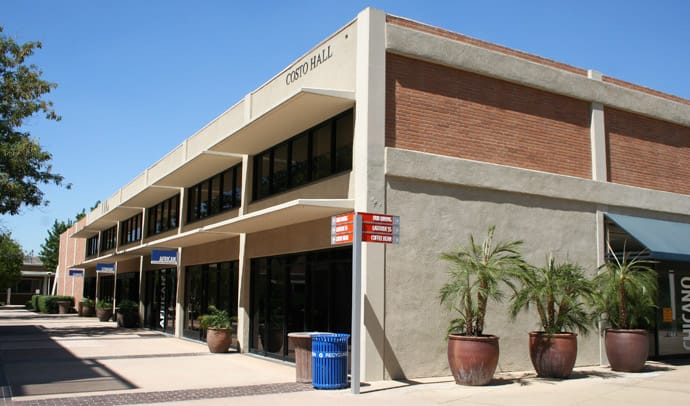
This outlook trickled into other parts of advocacy when dealing with land and water rights for his people. During his eight years as a tribal spokesman for the Cahuilla Band of Indians, he was instrumental in establishing the Anza Soil Conservation District, later called the Elsinore-Murrieta-Anza Resource Conservation District, the Anza Farm Bureau and the Riverside Farm Bureau. Along with his friend, Superior Court Judge John Gabbert, Costo lobbied for a university in Riverside, which later became the University of California, Riverside. His work continued beyond the founding of the university and included Native-focused scholarship as well as the establishment of the first professorial chair in American Indian history, on the school's campus in 1986.
Between 1964 and 1986, Costo and his wife helped found the American Indian Historical Society in Haight-Ashbury, San Francisco, where he remained its only president. Their collaboration included Natives from tribes across California and also the Diné in Arizona. According to Cengage:
As activists, writers, and organizers, they especially sought to promote the study of American Indian history through their scholarly, educational, and philanthropic efforts. Both held that the true story of American Indians had not been properly told and worked towards amending that error. Together they wrote Natives of the Golden State: The California Indians (1995) and coedited Indian Voices: The Native American Today(1974) and The Missions of California: A Legacy of Genocide (1987), an important exposé of the brutality of that regime. Indeed, this last work derailed or at least delayed the canonization of Father Serra, the missions' founder. They also wrote Indian Treaties: Two Centuries of Dishonor (1977) and compiled A Thousand Years of American Indian Storytelling (1981).
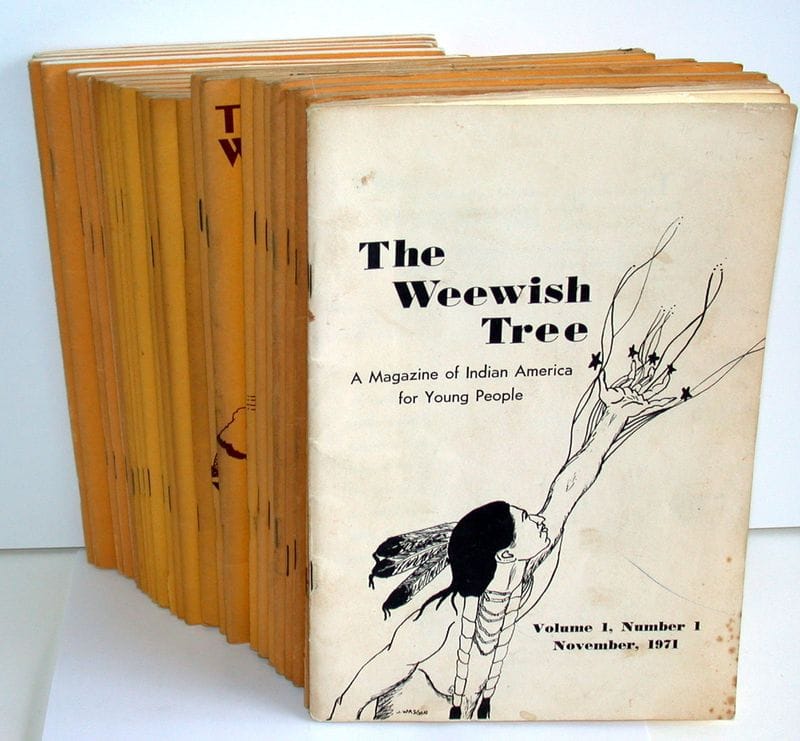
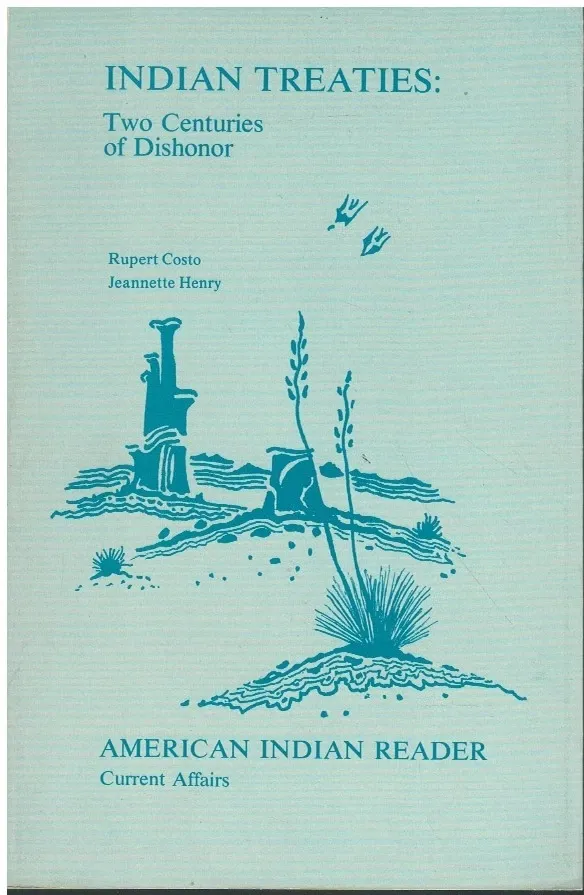
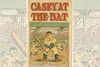
From left: The Weewish Tree, made for children. (blogspot.com), Indian Treaties: Two Centuries of Dishonor (1977)
The goal was to reach a wider audience beyond academia by educating the public. In 1964, the first issue of The Indian Historian was produced in order "to correct the record, to write history as it should be written, to interpret correctly the aboriginal past, to report honestly the immense contributions to modern society made by the Indian American," according to Cengage. It was also a way for reservation community leaders to stay informed and make better policies and decisions for their people. Conversations ranged from local political candidates who were pro-Indian to Cahuilla and other tribal histories that highlighted the critical importance of their languages. Then, in 1971, came The Weewish Tree, made for children, followed by the periodical Wassaja in 1973. Wassaja was named after Dr. Carlos Montezuma, Yavapai Apache of the Fort McDowell tribe in Arizona. Montezuma became the first Native American to obtain an M.D. from Northwestern University's Chicago Medical College in 1889. All of this was done with the intent to emphasize Native perspectives and historical integrity. Costo had a hand in establishing the Indian Historian Press, which dedicated itself to publishing and reprinting many titles to document the Native American experience in the United States. Although he came from an oral histories people, he had a firm understanding of the power and influence of print and knew the value of documenting in that format.
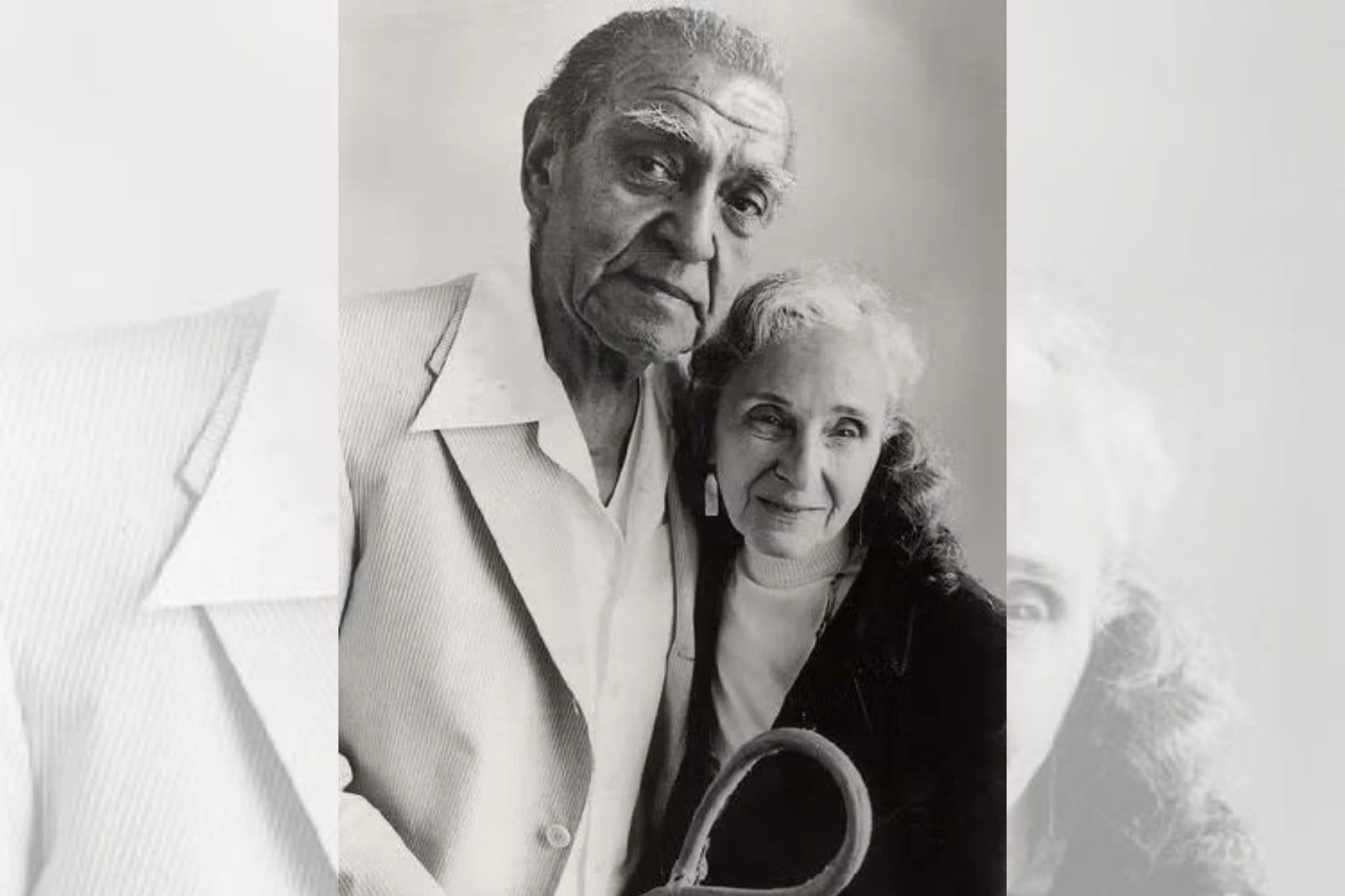
Rupert Costo is a prime example of a Native scholar who flipped the narrative. With his wife by his side every step of the way, he used education as a tool for service, to navigate interpretation, and to demand institutional presence for Native voices in historical discourse. Before his success as a historian, author, publisher and researcher, he had already succeeded in working as a highway engineer, hydrologist, meteorologist and surveyor. According to Cengage, he acted at both local and national levels to protect Native gravesites, correct state textbooks, organize conferences, promote Native artists, defend land claims and water rights, and publish journals, newspapers and books. He graciously donated his life's work in 1986 to UC Riverside. His testament and devotion to his people is evident in the Rupert Costo Library of the American Indian, housed in Special Collections & Archives of the Tomás Rivera Library at the University of California, Riverside. This collection is by far the largest collection of research material on not only Native Americans within the U.S. of the past four centuries, but the largest on 20th-century California Native culture and heritage available to anyone, anywhere. According to the Online Archive of California, it consists of approximately 7,000 volumes and over 9,000 documents, pamphlets, tape recordings, slides and artwork.
Costo's archival contributions are still relatively recent, and many older historians may remember experiencing them firsthand. They, too, can travel back 50 or 60 years and appreciate the importance of California Indians. A legacy as profound as Costo's body of work will forever remain necessary in world history, but most importantly, in Riverside's history.
At about 83, Rupert Costo passed away Oct. 20, 1989, in his home in San Francisco. His final resting place is San Jacinto Valley Cemetery in San Jacinto, California.