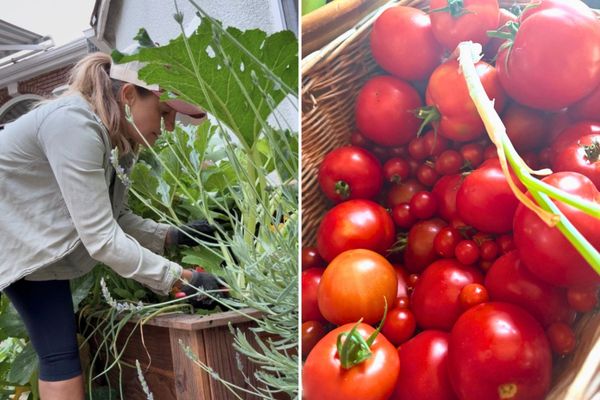
July is the month when Riverside gardens either thrive or struggle, and the difference often comes down to water management. Tomatoes are producing by the basketful, peppers are finally hitting their stride, and zucchini seems determined to take over the entire garden. At the same time, our intense summer heat can stress plants quickly if irrigation isn't adjusted. If your plants are wilting in the afternoon but perk back up by evening, that's often just a normal response to the heat. If they're still wilted the following morning, it's time to increase your watering.
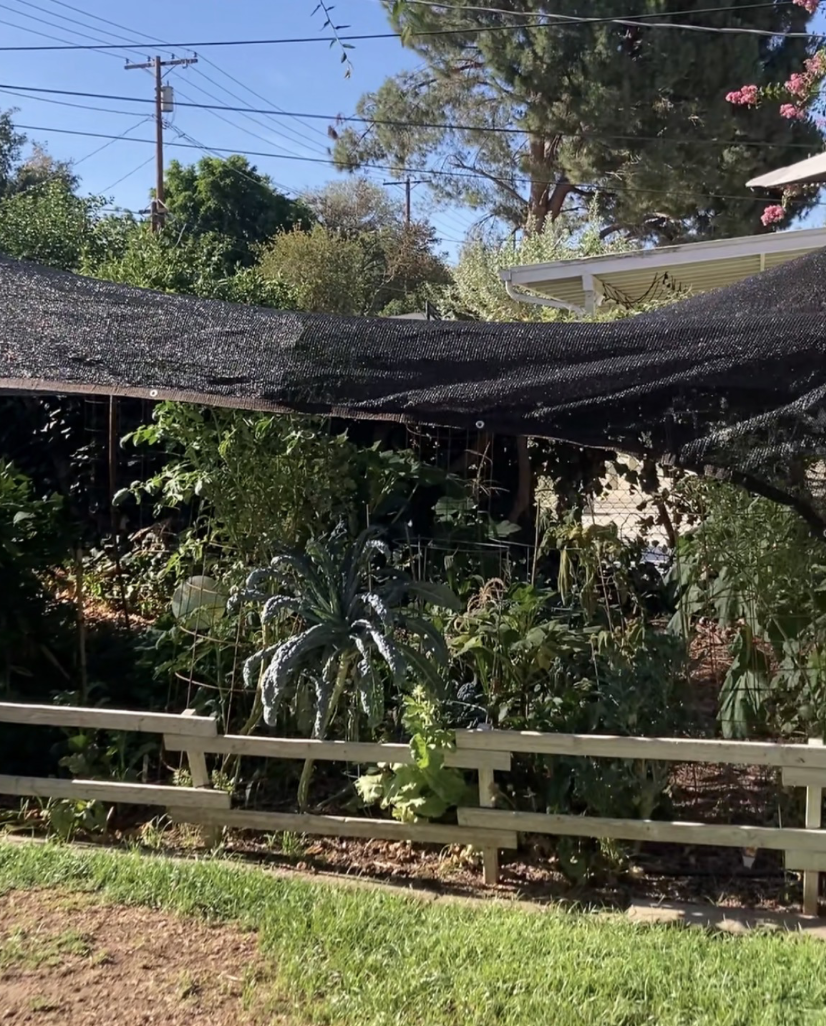
One of the most common questions I'm getting right now is about shade cloth. It can be an excellent tool during extreme heat waves, especially when temperatures climb above 100°F for several days. Shade cloth helps reduce sunburn on tomatoes, peppers, and cucumbers while lowering overall plant stress. However, using it too early or leaving it up all summer can actually reduce flowering and slow production. Tomatoes and peppers still need plenty of sunlight to produce a good harvest. If your garden receives morning sun and temperatures are staying in the 90s, I'd skip the shade cloth for now. Save it for those true heat events when the forecast is calling for several consecutive days of triple-digit temperatures.
Like most things in gardening, there are trade-offs. Too much shade can lead to lower yields, slower ripening, and weaker plant growth. On the other hand, the right amount of temporary shade during a heat wave can help prevent blossom drop, sunscald, and severe heat stress. Think of shade cloth as a seasonal tool, not a permanent part of your garden.
If you're unsure what will work best in your space, try experimenting. Shade only half of your garden for a couple of weeks and compare the results. Watch the differences in plant stress, fruit production, and overall growth. One of the things I love most about gardening is that there isn't just one right way to do it. Every garden is different, and sometimes the best teacher is simply trying something new. And here's the funny part — even if you figure out exactly what works this year, next season may throw you an entirely different challenge!
And if you're suddenly wondering what to do with all those tomatoes... congratulations! July is salsa season. This is the perfect time to make fresh pico de gallo, caprese salads, tomato sandwiches, roasted tomato sauce, stuffed peppers, zucchini bread, grilled vegetables, and freezer-ready pasta sauces. Enjoy the abundance now, and don't forget to preserve a little of summer to enjoy long after the season has passed.
What Are We Picking?
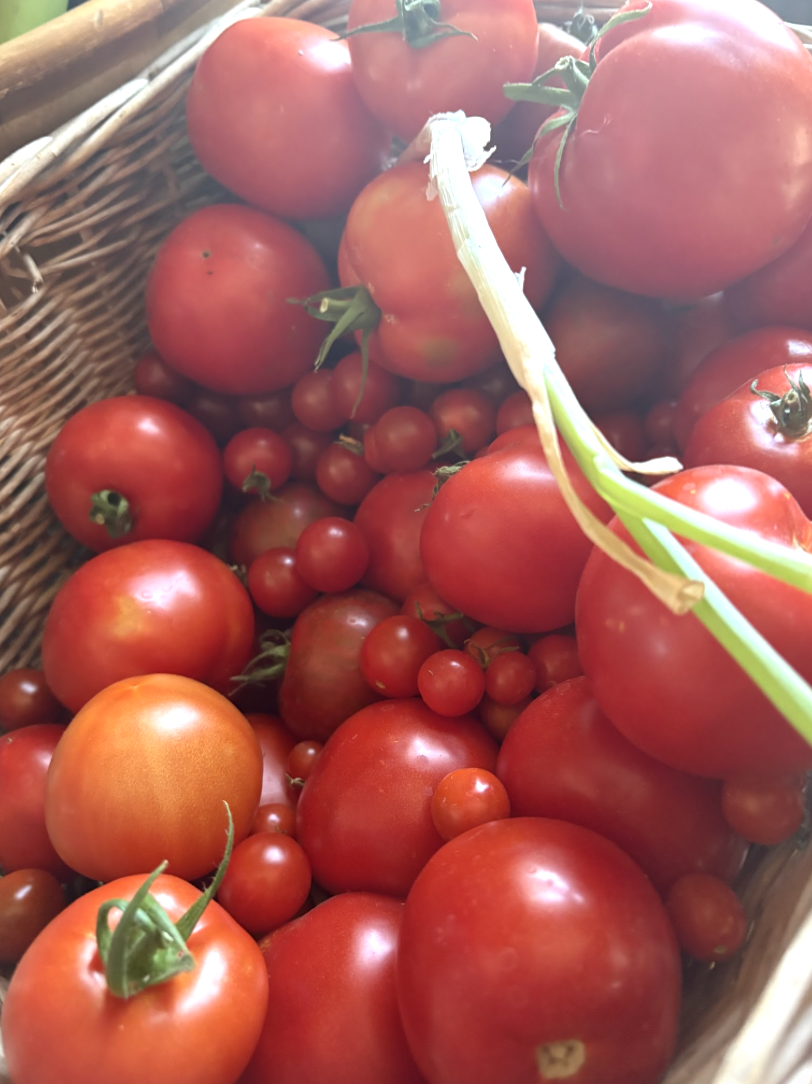
Vegetables: Tomatoes, peppers, zucchini, yellow squash, green beans, eggplant, basil, Swiss chard, kale
Herbs: Basil, rosemary, thyme, oregano, parsley, mint, lemon balm, sage
Flowers: Zinnias, sunflowers, cosmos, marigolds, dahlias
Fruits: Peaches, figs, blackberries, strawberries, early apples, citrus
A Note About Stone Fruit: If you're wondering where the peaches, nectarines, plums, and apricots are this year, you're not alone. Many Riverside gardeners, including me, won't be harvesting any stone fruit this summer. Our unusually warm winter didn't provide enough chill hours (temperatures below 40°F) for many trees to set flower buds. No chill hours means no blooms, no blooms means no fruit, and no fruit means some very sad gardeners! If your tree stayed healthy but never bloomed this spring, the weather, not you, is to blame.
What Are We Planting?
July is not the time to give up on planting. While many gardeners assume planting season is over, Riverside's long growing season allows us to continue adding warm-season crops for a fall harvest. Focus on heat-loving vegetables and keep beds full to prevent weeds from moving in.
Plant now: Tomato transplants, pepper transplants, green beans (seeds), onions (transplants), garlic (save for fall if possible), basil, eggplant, sweet potatoes, summer squash, melons, and even corn.
Remove tired cucumbers, lettuce, broccoli, celery, and other cool-season crops that are struggling in the heat. Add compost, refresh mulch, and immediately replant empty spaces.
Remember: open soil invites weeds into your garden. Bush beans or radishes are easy fillers!
What to Watch Out For
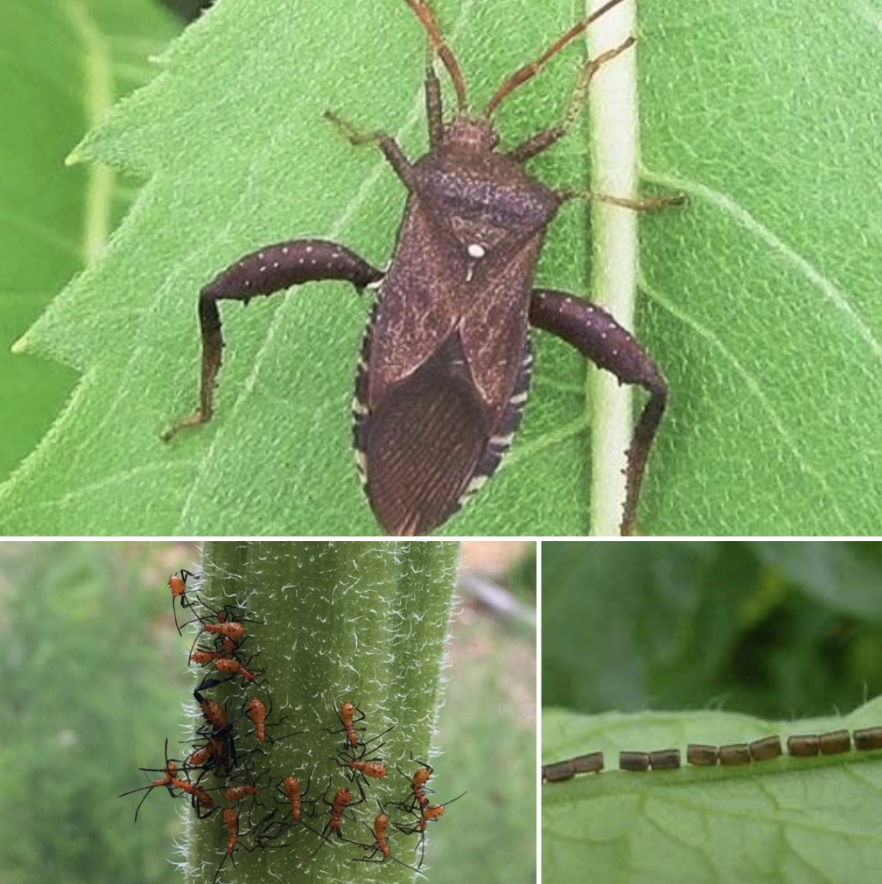
Leaf-Footed Bugs These large brown insects love tomatoes and pomegranates and can quickly damage ripening fruit. Look for rows of bronze-colored eggs on stems and leaves, along with orange-red nymphs gathering in clusters. Solution:Hand-remove egg clusters whenever you find them. Knock nymphs into a bucket of soapy water before they mature. Early intervention makes a huge difference because adults are much harder to control.
Blossom Drop When temperatures consistently exceed 95°F, tomatoes and peppers may drop flowers instead of setting fruit. Solution: Maintain consistent moisture, mulch heavily, and use shade cloth only during extreme heat events. Production often resumes once temperatures moderate.
Spider Mites Hot, dry weather creates ideal conditions for spider mites. Leaves may appear dusty, stippled, or bronzed, with fine webbing visible underneath. Solution: Spray leaf undersides with a strong stream of water several times per week and avoid letting plants become drought stressed.
Gardener's To-Do List
- Adjust irrigation schedules by increasing watering frequency during heat waves while still watering deeply to encourage strong root systems.
- Mulch exposed soil with 2–3 inches of compost, straw, or shredded leaves to reduce evaporation and keep roots cooler.
- Harvest tomatoes, squash, and beans frequently to encourage continued production throughout summer.
- Inspect plants twice weekly for leaf-footed bug eggs and nymphs and remove them before populations explode.
- Remove exhausted cool-season crops such as lettuce, cucumbers, broccoli, and celery, then replant warm-season vegetables immediately.
- Install shade cloth only when necessary during prolonged periods above 100°F or when plants show signs of severe heat stress.
July is all about maintaining momentum. Your spring work is paying off now, and a little maintenance goes a long way toward keeping your garden productive through the hottest months of the year.
Closing Tip
Riverside gardeners have one major advantage: our growing season is far from over. While many parts of the country are winding down, we're still planting, harvesting, and planning for another productive season ahead.
Pro tip: If your tomatoes are producing faster than you can eat them, wash, core, and freeze them whole. When you're ready to make sauce later, the skins slip right off after thawing.
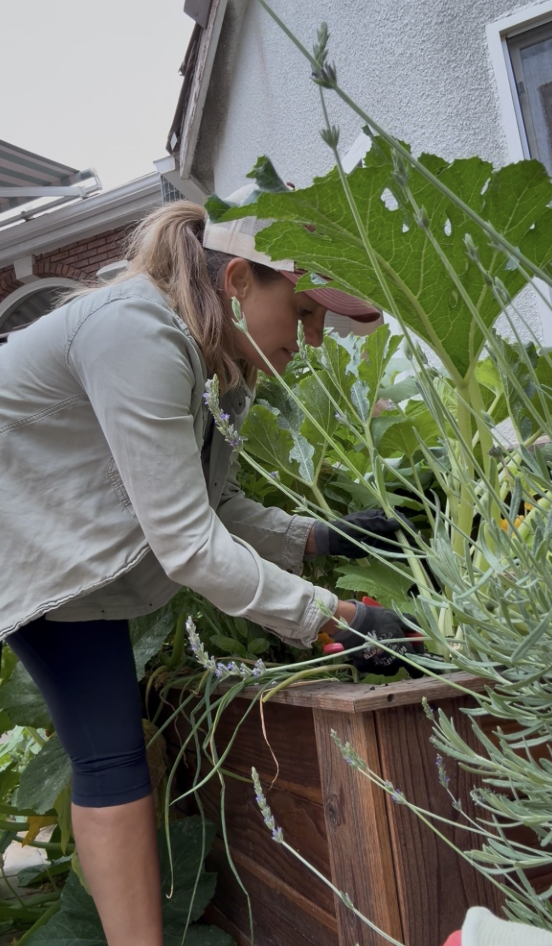
If you need help in your garden this summer, I'd be honored to work alongside you. At Kitchen Gardens by Kim, I design, install, and teach vegetable gardens for beginners and families right here in Riverside. Whether it's one simple pot on a patio or multiple raised beds in your backyard, I believe everyone can grow food in the space they have. As a Riverside-based small business, I'm passionate about teaching as many people as possible how to grow fresh, healthy food at home.
Remember that gardening is a marathon, not a sprint. Keep harvesting, keep planting, and don't be afraid of the summer heat — it brings some of the best harvests of the entire year. 🌿🍅☀️
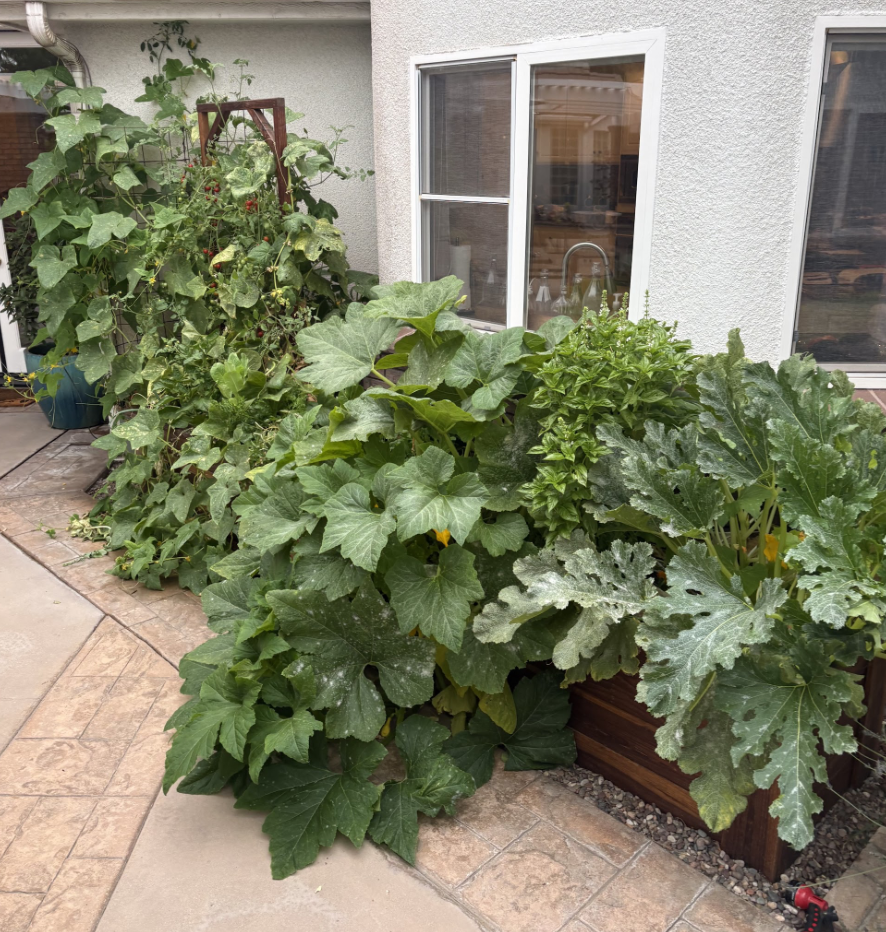
More information: Kim Malstrom designs, installs, and teaches vegetable gardens for beginners and families in Riverside. To learn more, visit kitchengardensbykim.comor follow along on Instagram at @kitchengardensbykim.