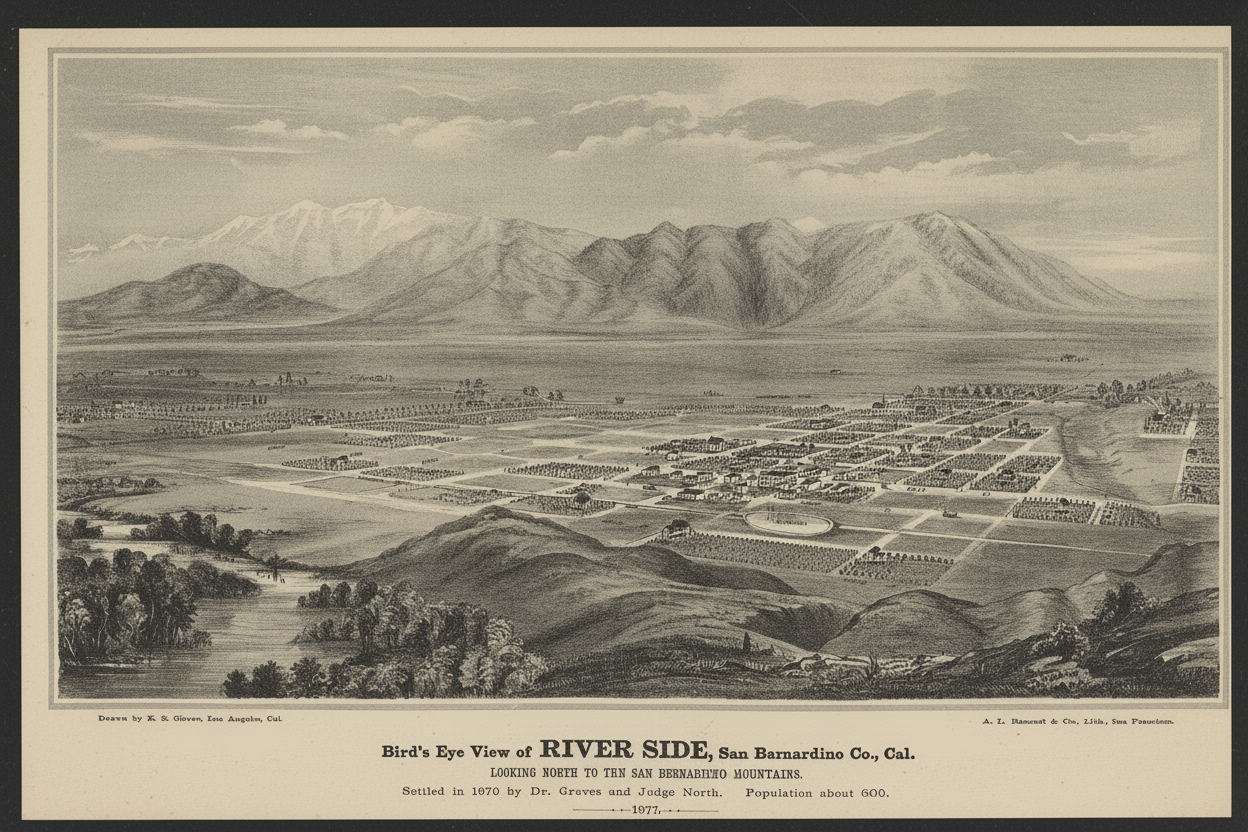
Riverside was not even six years old when our country marked its Centennial celebration on July 4, 1876. Festivities, parades, speeches, fireworks, picnics, and other events across the United States proclaimed our freedom. Riverside and its citizens knew they had to join in and show that they were part of this joyous occasion. Having grown to a population of approximately 1,000 people, the town was ready to join in the patriotic celebrations.
An enthusiastic group of citizens met at the schoolhouse on Sixth Street on Wednesday, May 17, 1876, to plan the Centennial and the Fourth of July arrangements. Judge John W. North, one of the city's founders, was the meeting's chairman, and Walter Lyon served as secretary. North "stated in the meeting how important it was for our people to display our patriotism and celebrate in a becoming manner the Centennial anniversary of our country's independence." Committees were formed for arrangements, music, and finances. The names listed only gave the last name, but with other early accounts, many can be identified.
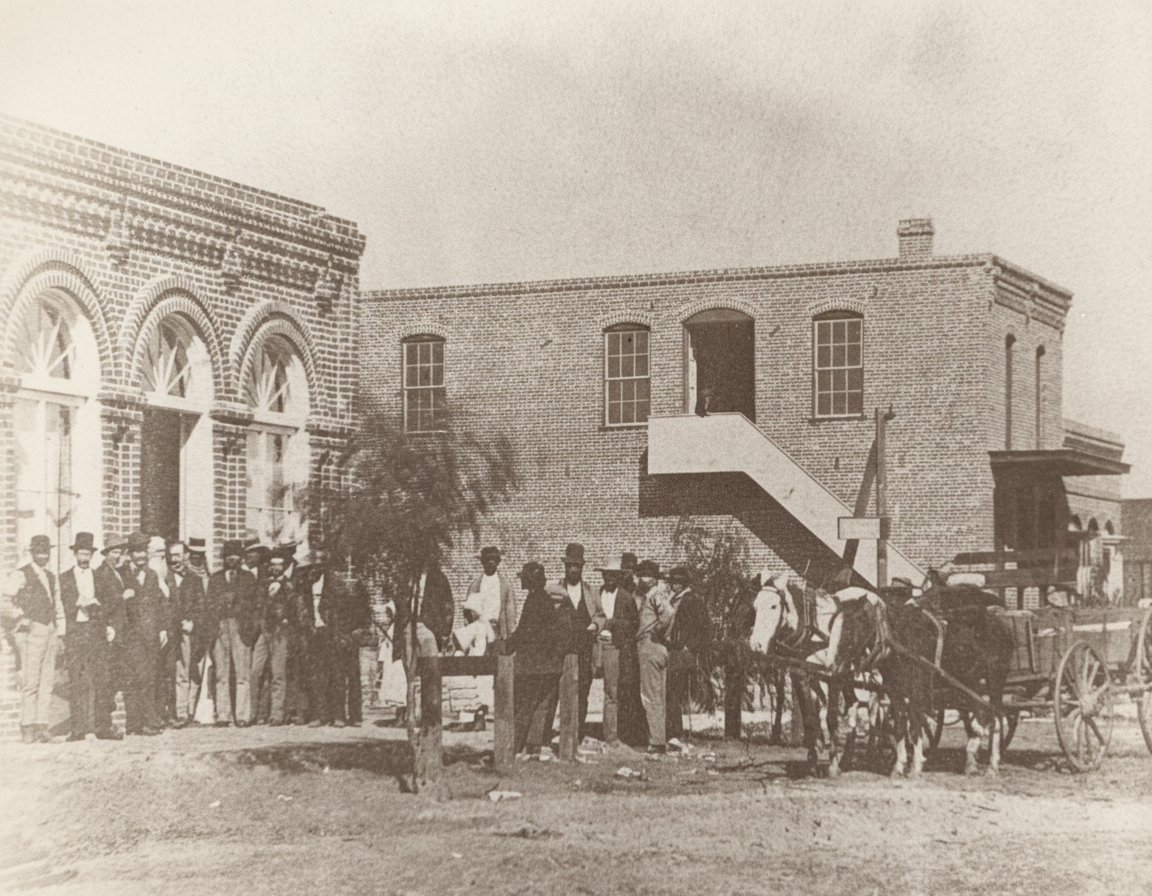
Among the members of the Committee of Arrangements were Walter Lyon, Henry Rudisill, George Cunningham, and C.C. Miller. Walter Lyon, with Emil Rosenthal, in 1876, had built an ornate two-story merchandise store, Lyon & Rosenthal, on the southwest corner of Eighth (University) and Main Streets. Henry Rudisill arrived in Riverside in 1874, along with his brother-in-law, Samuel C. Evans Sr., and served as a director of the Riverside Land and Irrigation Company. Later in 1889, he wrote the small booklet, Riverside Illustrated: A City among the Orange Groves. Christopher Columbus Miller arrived in Riverside in 1874 as a surveyor, and one of his early jobs was laying out the path for the Lower Canal. In 1876, Miller was building the family adobe home, which became the Glenwood Cottage, the forerunner of the Mission Inn.
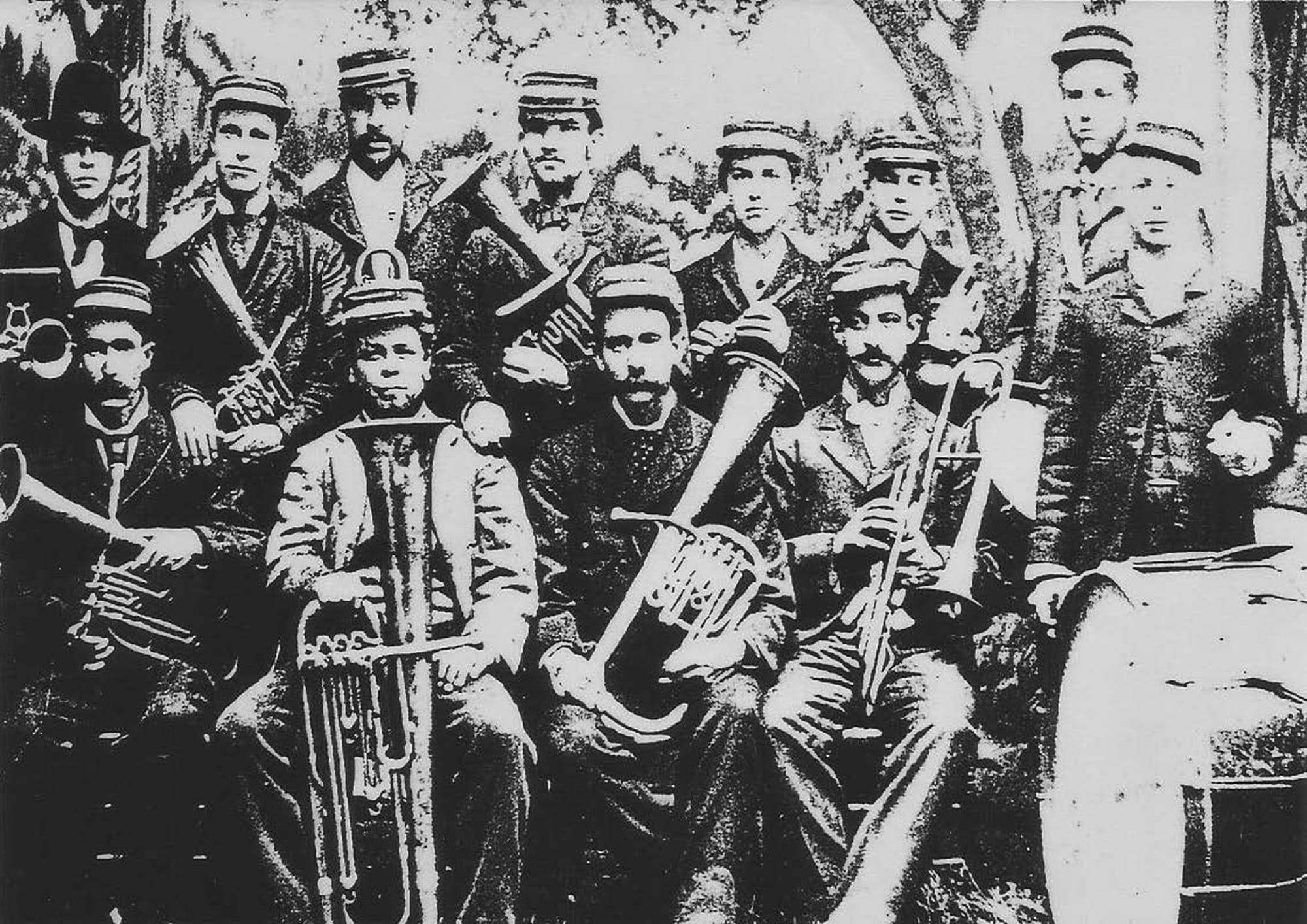
The members of the Music Committee were Judge Ebenezer G. Brown, George Leach, and John McCreary. Judge Brown, along with John W. North and Dr. James Greves, was a leader of the Southern California Colony Association, which founded Riverside. He built his home, the Anchorage Park Inn, just outside of the Mile Square. John McCreary was a junior member of A. McCreary and Son, a contracting firm. More importantly, he led the newly organized Riverside Concert Band, which first performed at the Fourth of July Centennial Celebration.
The three members of the Finance Committee were John W. North, B. D. Burt, and Emil Rosenthal. John W. North is well known as the leading founder of Riverside. B. D. Burt, with his brother Frank, built the first brick building in the city at the northwest corner of Eighth and Main and opened B. D. Burt and Bro., a general merchandise store. As already mentioned, Emil Rosenthal was the co-owner of Lyon and Rosenthal. Burt and Rosenthal ran competing merchandise stores across the street from each other.
The committee met again on Thursday, June 15, to complete assignments and discuss arrangements.
The grand day of celebration arrived on Tuesday, July 4, 1876. The festivities kicked off with an "anvil chorus" which awoke our slumbering city and announced in thundering tones the Centennial anniversary of American Independence." (Riverside News, July 8, 1876)
A procession of fifty carriages, accompanied by the newly formed Riverside Concert Band, formed at the schoolhouse at 9 a.m. and proceeded to the grove of cottonwood trees in the river bottom (location later became Fairmount Park), where Henry Rudisill presided over the activities.
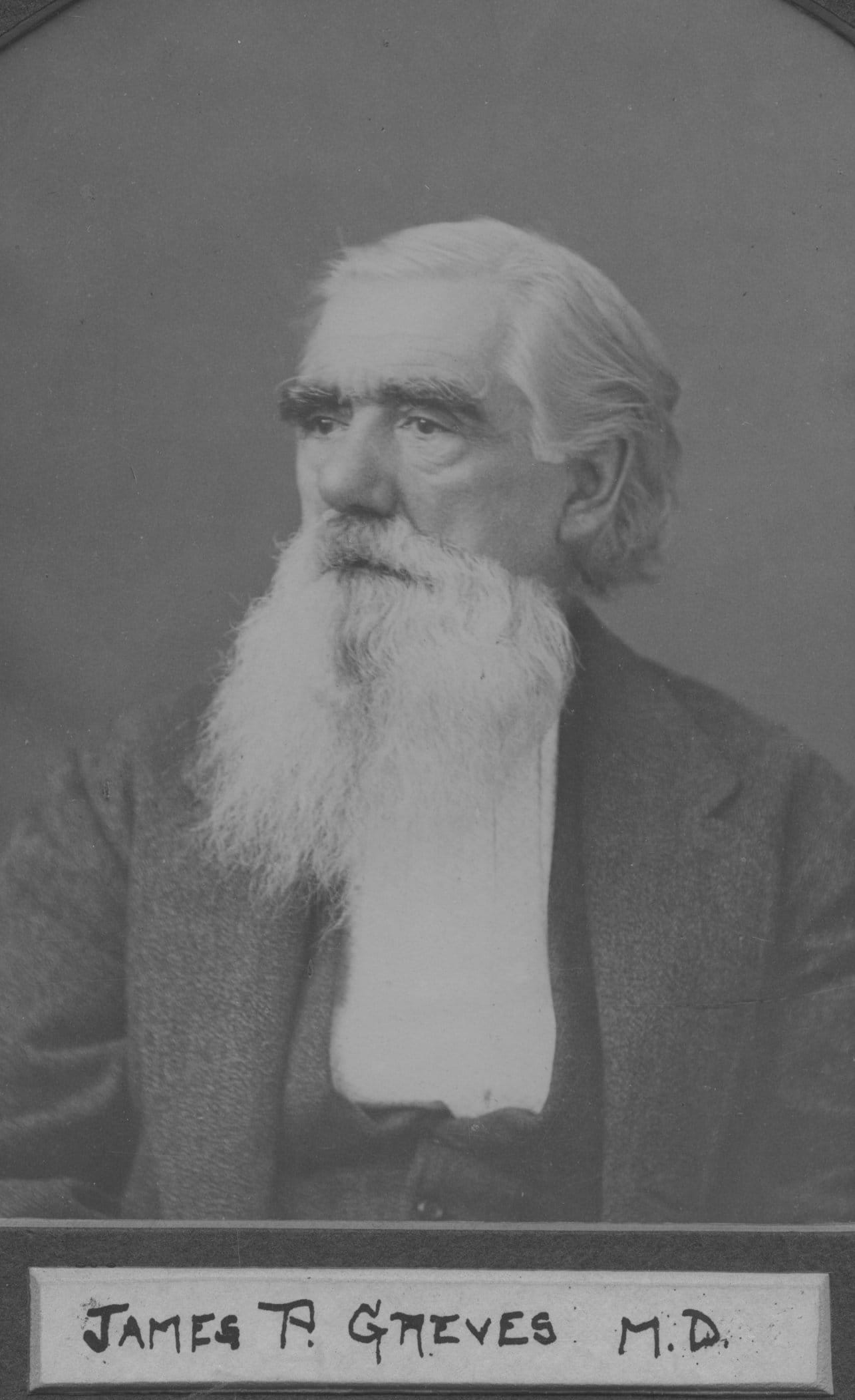
At 10 a.m., the ceremonies were opened with a prayer by the Rev. F. H. Wales, the second pastor of the First Congregational Church. Judge E. G. Brown followed with a brilliant reading of the Declaration of Independence. John W. North responded with a toast for our nation, R. L. Daniels with a toast for the Flag, and Walter Lyon with a toast for the ladies. The Rev. C. Day Noble gave an eloquent oration on the rise and progress of our country, which brought forth a hearty applause from those in attendance. Dr. James Greves, one of Riverside's founders, read a historical summary of the first six years of the city. F. F. Cranz then delivered a poem which he had written for the occasion, and the ceremonies were closed with a Benediction by the Rev. F. W. Bovard of the First Methodist Church. The program was interspersed with music performed by W. L. Sherrill and others.
James Greves closed his historical remarks with this lofty testimony:
On this auspicious day, the centennial jubilee, the citizens of Riverside and the whole colony certainly have grand cause for thankfulness to the Supreme Father of All for the many mercies we enjoy. While so many in all parts of our beloved country are suffering for the necessaries of life and are thrown out of honest labor we are enjoying comparative prosperity and everyone willing to work can have full employment at remunerative wages. The future of this colony is assured. Property has steadily appreciated and while other towns who have rashly run prices beyond their true value are now suffering the consequences of their folly, Riverside is saved from a ruinous depreciation of property and with prudence a few years ahead there will be more diffused wealth in this community than in any other part of California.
Following the ceremonies, many people remained for basket picnics, and the Riverside News described the joyful events.
In a few minutes could be seen groups of happy families seated upon the greensward, beneath the wide spreading branches of that beautiful grove, engaged in hilarious conversation and singing patriotic songs while supplying the inner man with delicacies prepared for the joyous occasion. Lovers, engaged in that particular, inaudible conversation, best understood by themselves, could be seen promenading in the cooling shade, little girls and boys romped in childish innocence, while those of maturer years engaged themselves in rendering the occasion happy to all present, and taking it all in…we don't remember having viewed a happier scene or enjoyed ourselves better.
That evening, brilliant displays of fireworks lit up the sky across the city. The night ended with a grand ball, with dancing enjoyed by all.