
When Do You Call It? Knowing When to Keep a Plant—and When to Pull It
August is when I start asking a very important question in the garden: Is this plant still worth saving? By this point in the summer, some of our plants are still producing like champions, while others are tired, stressed, covered in pests, or simply finished for the season. And sometimes the hardest gardening decision isn't what to plant—it's knowing when to let something go.
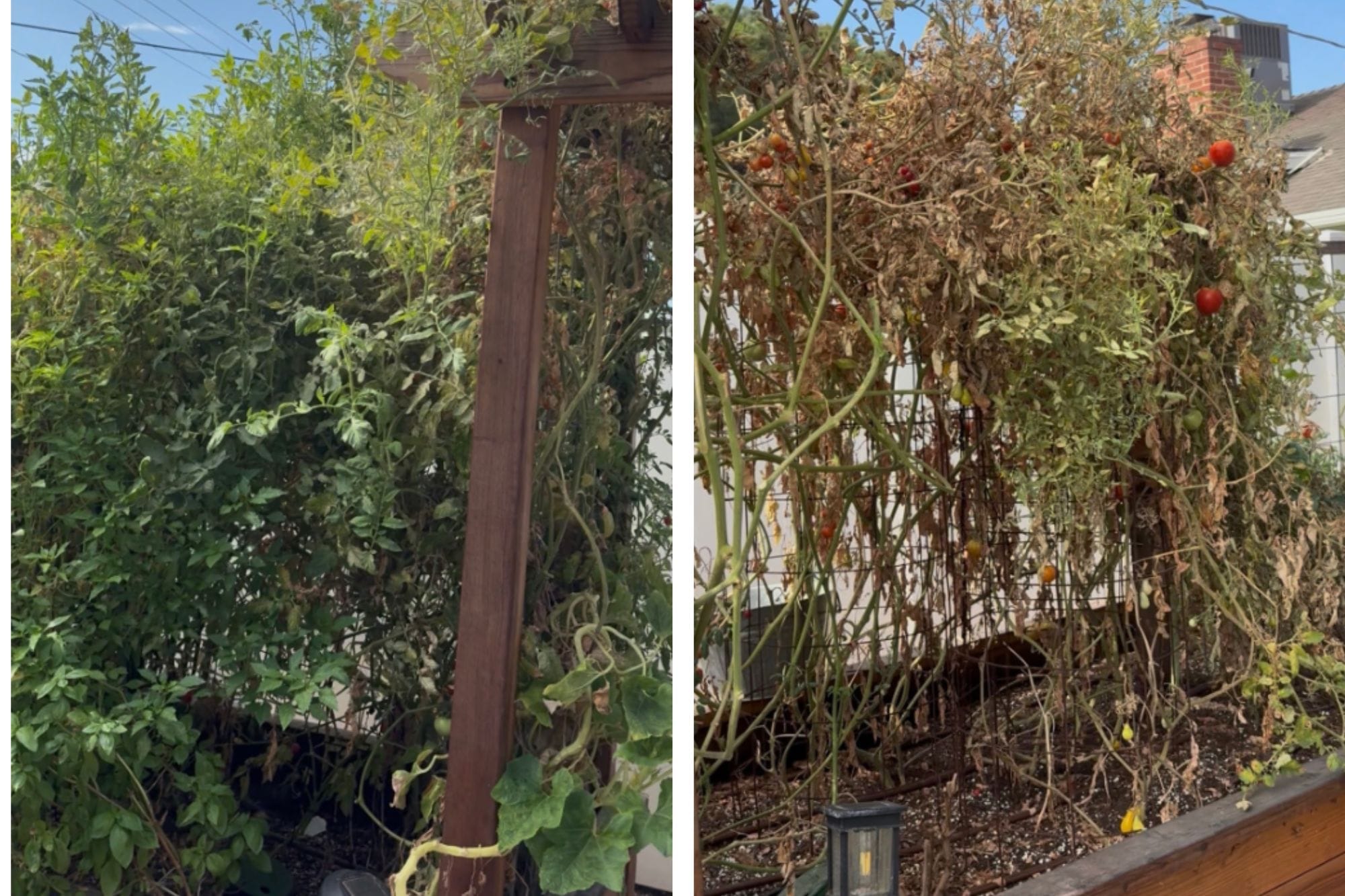
Tomatoes are a perfect example. If a tomato plant is still producing, has healthy new growth, and is putting out new flowers, keep it going! But if production has slowed dramatically, the plant is struggling, or you're seeing spider mites moving into the fresh, new growth at the top of the plant, it's time to take a hard look. If the mites are only on some of the older, lower leaves, you can often try to save the plant. But if the newest growth is infested and there isn't healthy growth pushing out, I would pull the plant. Removing a heavily infested plant can also help prevent those spider mites from moving into your beans, squash, cucumbers, and other plants. In August, sometimes the best thing you can do for your garden is make room for what's next.
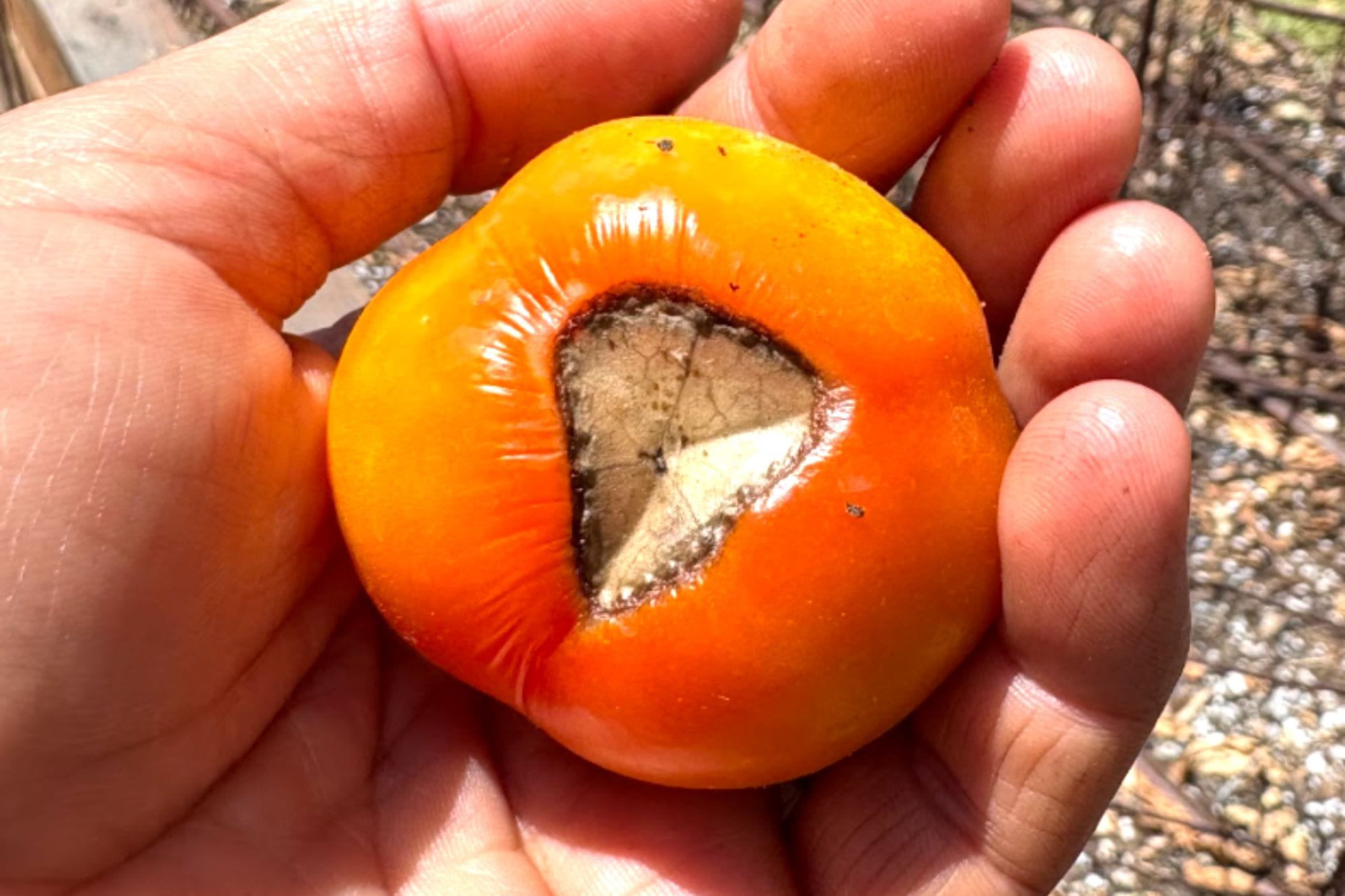
Before you pull anything, though, check your water. August heat can make a healthy plant look terrible. Check that your emitters are working, your soil is actually getting wet where the roots are, and that you're watering consistently. If your tomatoes are developing brown or black, sunken spots on the blossom end, you're likely seeing blossom-end rot. It isn't usually because your soil is missing calcium; inconsistent watering can prevent the plant from moving calcium where it needs to go.
So here's my August rule: Don't automatically save a struggling plant, and don't automatically pull one that's having a bad day. Look at the whole plant. Is it producing? Is there healthy new growth? Can the problem be corrected? Or is the plant simply finished? Sometimes pulling one tired plant is exactly what the rest of your garden needs.
What Are We Picking?
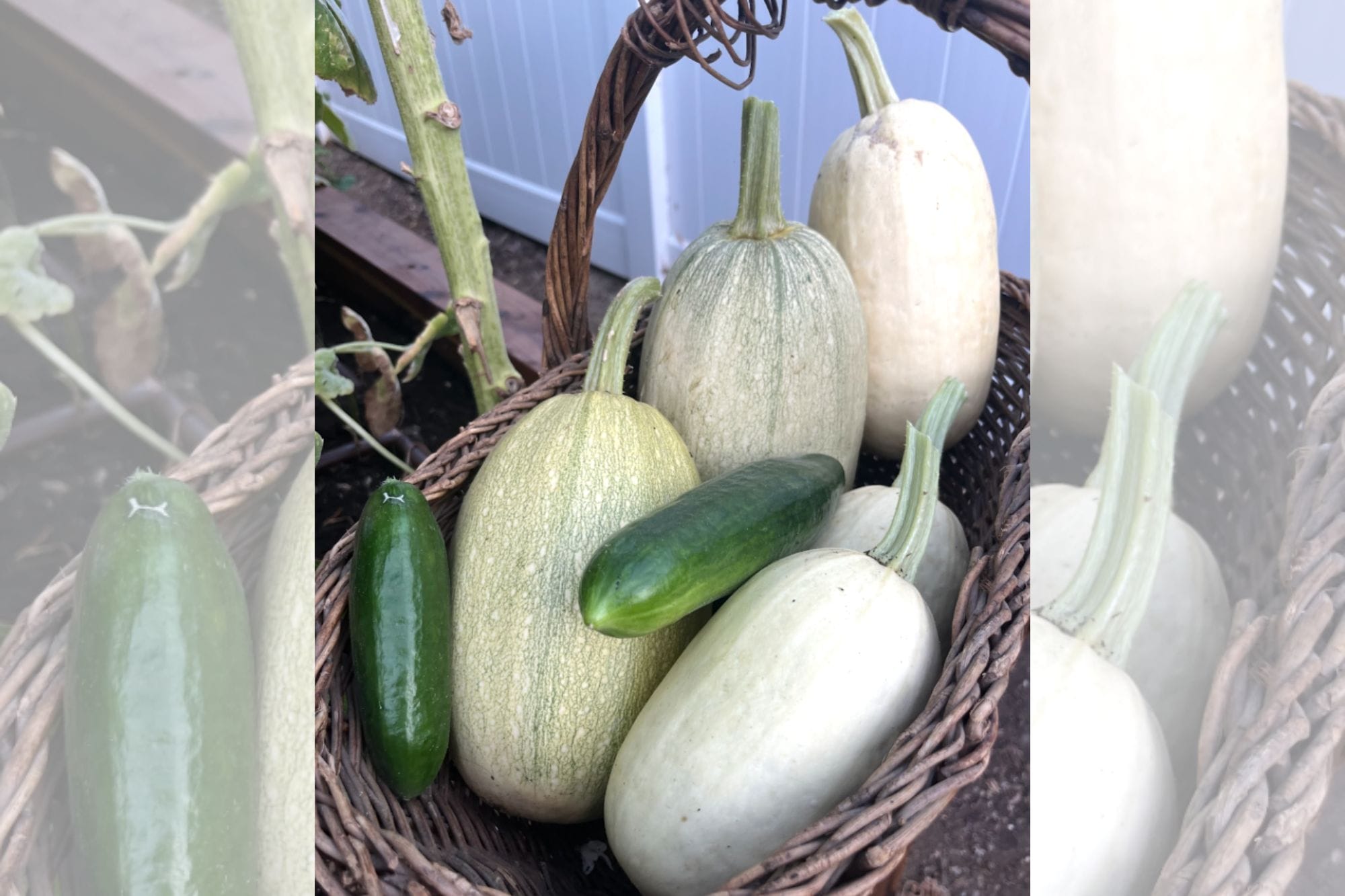
Vegetables: Tomatoes, peppers, zucchini, summer and winter squash, cucumbers, green beans, eggplant, okra, onions
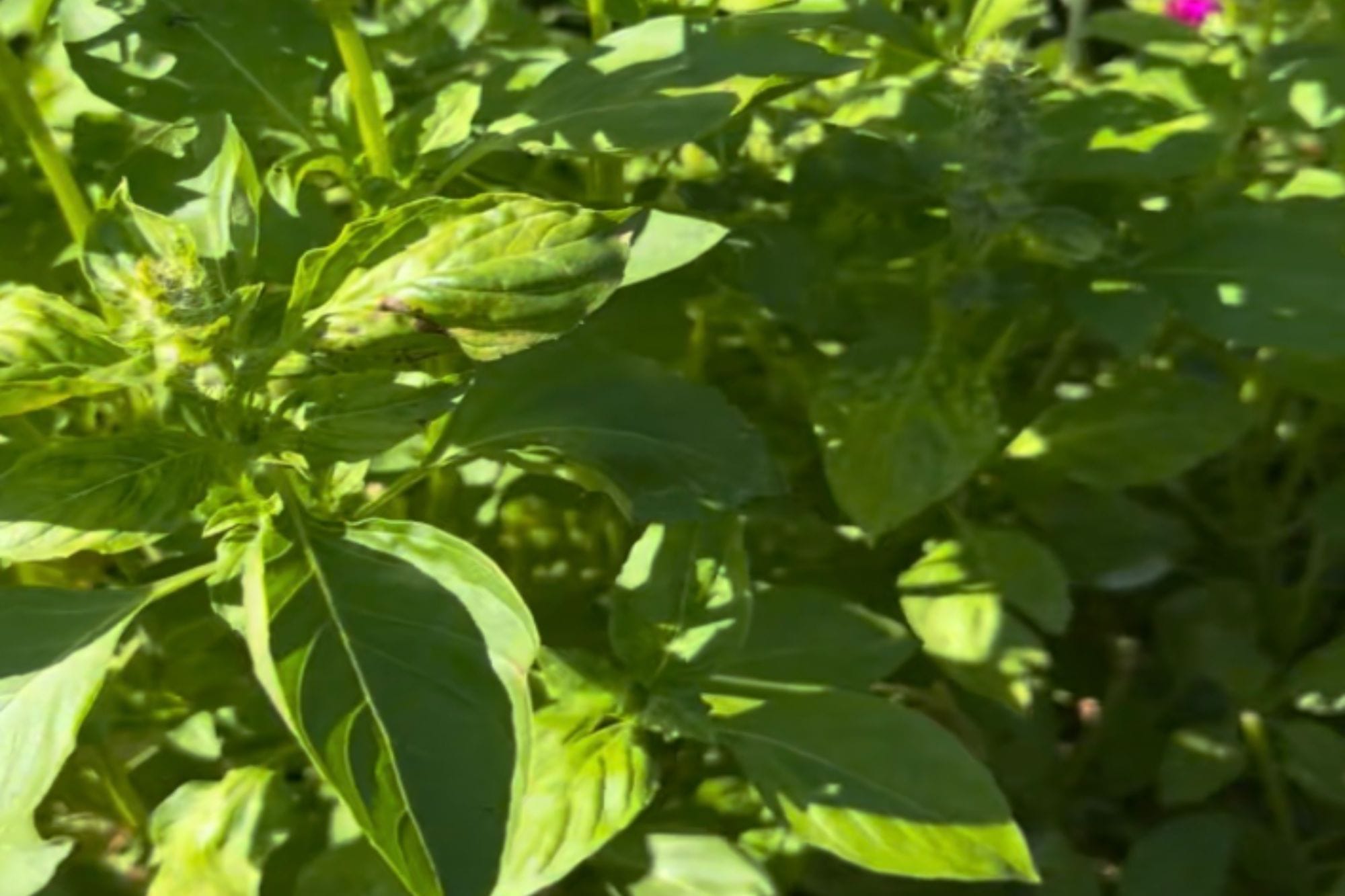
Herbs: Basil, rosemary, thyme, oregano, parsley
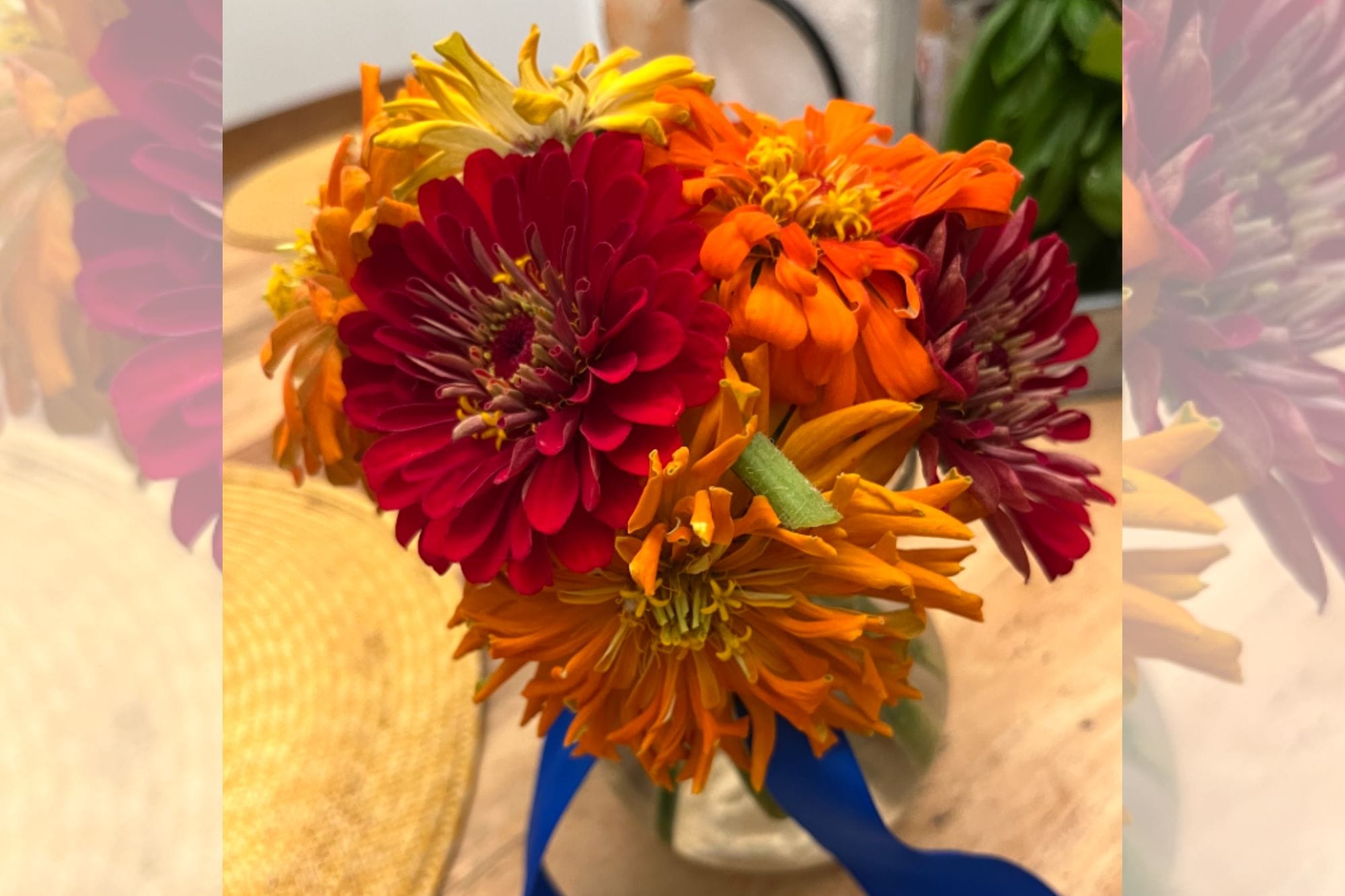
Flowers: Zinnias, sunflowers, marigolds, cosmos, dahlias, roses, salvia
Fruits: Figs, grapes, melons, early apples, and any remaining stone fruit (if you are lucky)
A note about stone fruit: If you're looking for peaches, nectarines, plums, or apricots this year and you're not finding many, you're not alone! Many Riverside gardeners (including me) didn't get much, if any, stone fruit this year because our warm winter didn't provide enough chill hours for some trees to bloom properly.
No chill hours = no blooms. No blooms = no fruit. No fruit = sad gardeners.
In preparation for next year, the best thing we can do is focus on keeping the tree healthy. During these hot summer months, provide deep, consistent watering and maintain a layer of organic mulch around the root zone to protect the roots and conserve moisture. Moderate, balanced fertilization can help support healthy leaves and root growth, but avoid heavy nitrogen, which encourages excessive late-season growth.
While we can't control winter chill, we can make sure the tree is healthy and well-prepared when the next growing season arrives.
What Are We Planting?
In August, Riverside gardeners need to respect the heat, but this is also a perfect time for a second round of warm-season crops. If your early tomato plants are finishing, you can still plant a fresh seedling now for a late harvest. Likewise, there's still time to plant corn; if you get it in now, you could have fresh corn by Thanksgiving. Green beans are another great option for a second planting—they grow quickly on these warm days.
One golden rule: never leave soil exposed. If you remove a finished plant, like a tired tomato or spent squash, fill that gap. Add a quick-growing cover crop, like bush beans, or at least mulch heavily to keep the soil from drying out and weeds from taking over. Every open space is an opportunity, so fill it with something productive, or at least keep it covered.
What to Watch Out For
Spider Mites
Hot, dry August weather is perfect for spider mites. Look closely at the new growth and tips of tomatoes, beans, squash, and cucumbers. Leaves may look speckled, yellowed, dusty, or eventually develop fine webbing.
Solution: If they're only affecting a small portion of the plant, try knocking them off with a strong stream of water and monitor closely. But if spider mites have moved into the newest growth and the plant isn't producing healthy new growth, it may be time to pull it. Removing a heavily infested plant can help protect the rest of your garden.
Blossom-End Rot on Tomatoes
Seeing a brown, black, or sunken spot developing on the bottom of your tomatoes? That's often blossom-end rot. It's associated with calcium uptake problems, but inconsistent watering is a major contributor because the plant needs consistent access to water to move calcium into developing fruit.
Solution: Keep watering consistent. Don't flood a dry garden one day and let it dry out completely the next. Mulch can also help maintain more consistent soil moisture.
Heat-Stressed Plants
A plant that wilts during the hottest part of the afternoon isn't necessarily dying. If it perks back up in the evening, it may simply be responding to the heat.
Solution: Check the soil and irrigation before pulling the plant. If it's still wilted the following morning, investigate your watering. August is the month to make sure every emitter is actually doing its job.
From the Garden: August Recipe
Stella's Tomato & Cucumber Summer Salad
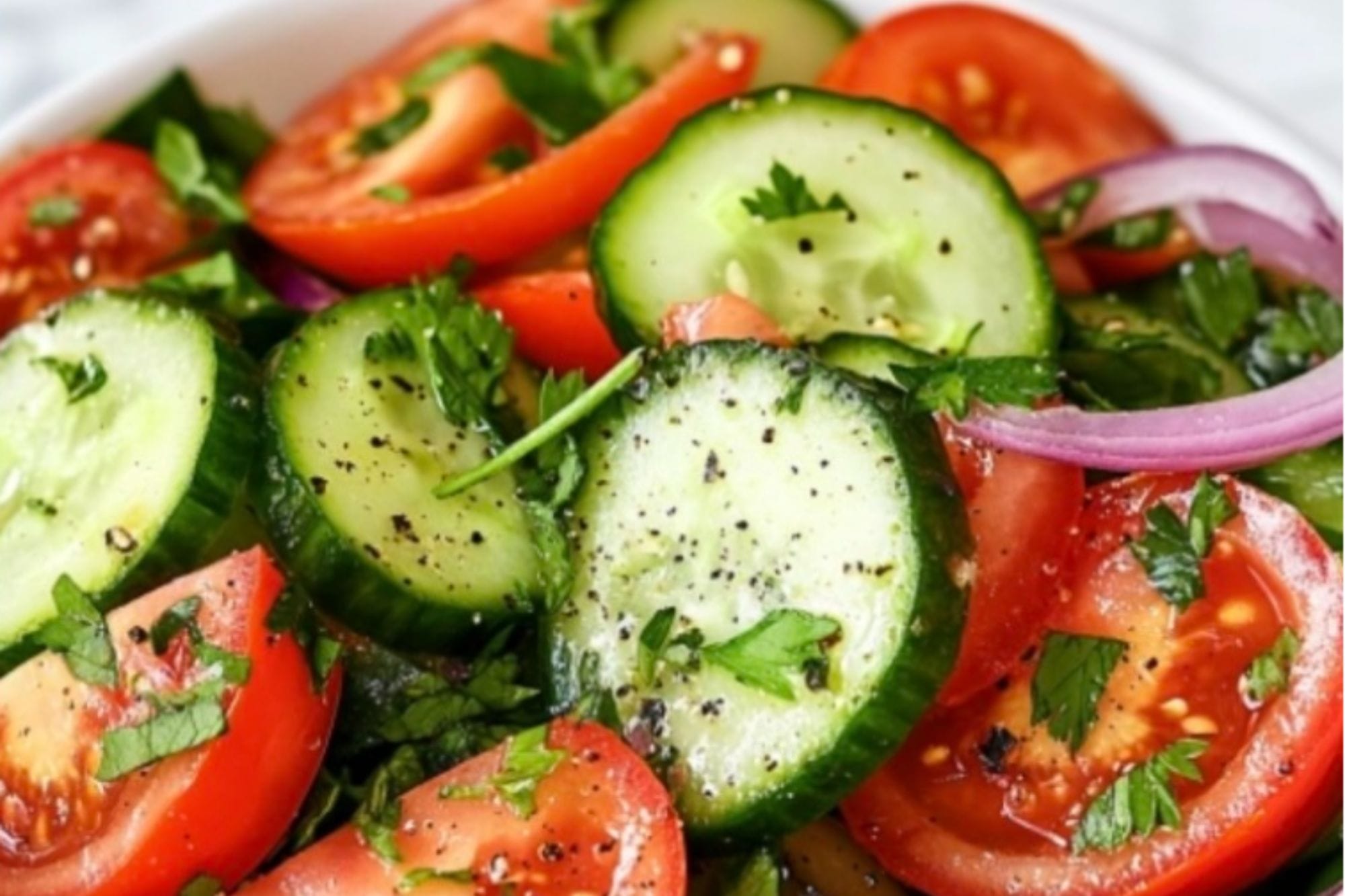
August gardens are overflowing with tomatoes and cucumbers, making this fresh and simple salad a perfect way to enjoy the summer harvest. Crisp cucumbers, juicy garden tomatoes, and thinly sliced red onion are tossed in a light apple cider vinegar and olive oil dressing, then finished with fresh herbs.
Ingredients:
- 3–4 garden-fresh tomatoes, sliced or cut into wedges
- 2 cucumbers, sliced
- ¼ red onion, thinly sliced
- 2 tablespoons apple cider vinegar
- 3 tablespoons olive oil
- Salt and black pepper, to taste
- Fresh basil and parsley, chopped
- Optional: Feta cheese, avocado, or olives
Directions:
Place tomatoes, cucumbers, and red onion in a bowl. In a small bowl, whisk together apple cider vinegar, olive oil, salt, and pepper. Pour over the vegetables and gently toss. Garnish with fresh basil and parsley. Add feta, avocado, or olives if desired.
Serve immediately or refrigerate until ready to serve. Leftovers can be stored covered in the refrigerator for up to two days. This recipe is especially delicious when the tomatoes and cucumbers come straight from the garden.
Gardener's To-Do List
- Inspect your plants before deciding to pull them. Look for healthy new growth, production, flowering, and overall vigor. If the newest growth is unhealthy or pests have taken over, it's probably time to let the plant go.
- Check every irrigation zone. Run your system and physically check the soil. Look for clogged emitters, broken lines, leaks, and dry areas. Don't assume your irrigation is working just because the timer is running.
- Remove finished summer plants. Once tomatoes, squash, cucumbers, beans, or other crops have finished producing and aren't showing signs of healthy new growth, pull them out. Don't let tired plants become a home for pests.
- Harvest frequently. Keep picking tomatoes, peppers, beans, cucumbers, and squash. Regular harvesting encourages continued production.
- Mulch! Add or refresh mulch around your plants to help conserve soil moisture, moderate soil temperature, and keep weeds under control.
Closing Tip
August is the month to stop being sentimental about your garden. I know, we grew it from a tiny seed. We watched it flower. We picked our first tomato. We want to save every single plant! But sometimes the best thing you can do for your garden is pull the plant.
If it's finished producing, heavily infested, or no longer capable of producing healthy new growth, take it out. Remove it, clean up the area, refresh your soil, and plant something new. You're not giving up on your garden—you're making room for the next season.
And remember, Riverside gardening is a marathon, not a sprint. August may feel like the end of summer, but it's actually the beginning of our transition into another growing season. Keep harvesting, keep watching your water, and start making room for fall.


