
On July 29, 1880, almost 146 years ago, Felicite Tortes, a Cahuilla basket maker from Spring Rancheria, and John Mayer, a German American Civil War veteran from Terre Haute, Indiana welcomed their second child, a boy, they named John "Jack" Tortes Mayer. They had one son, Marion, and would later have one more child, a girl, Christine, the youngest.
The birthplace of Jack is said to have been either the Cahuilla village below Mt. Rubidoux at Spring Rancheria or downtown Riverside at 7th Street, between Market and Main Streets in the family's home behind his father's saloon. In one interview, Jack reports the Cahuilla village as his birthplace and in another he reports it being in downtown Riverside. There is an affidavit of birth that lists a downtown Riverside location. However, there is no question that the Santa Rosa Mountain Cahuilla were the primary inhabitants of Spring Rancheria, a permanent village named after the perennial stream of Spring Brook located in the area.
Incorrect spellings in documenting Native people by non-Natives was a common occurrence. The Mayer last name became "Meyer" and finally "Meyers". For the remainder of this story, Jack will be referred to as Mr. Meyers as "Meyers" became the norm throughout his lifetime.
After the death of his father in 1887, Felicite Tortes took her children to live on the Santa Rosa Reservation for a time. She never remarried. They came back to Riverside when Mr. Meyers was 10 or 11 years old. He attended Sixth Street School, later known as Lincoln School, then attended Riverside High School, located at 14th Street and Brockton Avenue.
While he didn't graduate, he developed a passion for baseball at a young age during his time on the reservation and in public schools. One of the earliest photos of Mr. Meyers in a baseball uniform comes from Riverside High School during the late nineteenth century. In 1898, he worked budding citrus trees all the while playing ball on sandlots in and around Riverside as well as for the Santa Rosa tribal team and the Riverside town team. He spent the next eight years playing semi-professional level ball all over the Inland Empire. However, he soon began traveling to other states across the country.
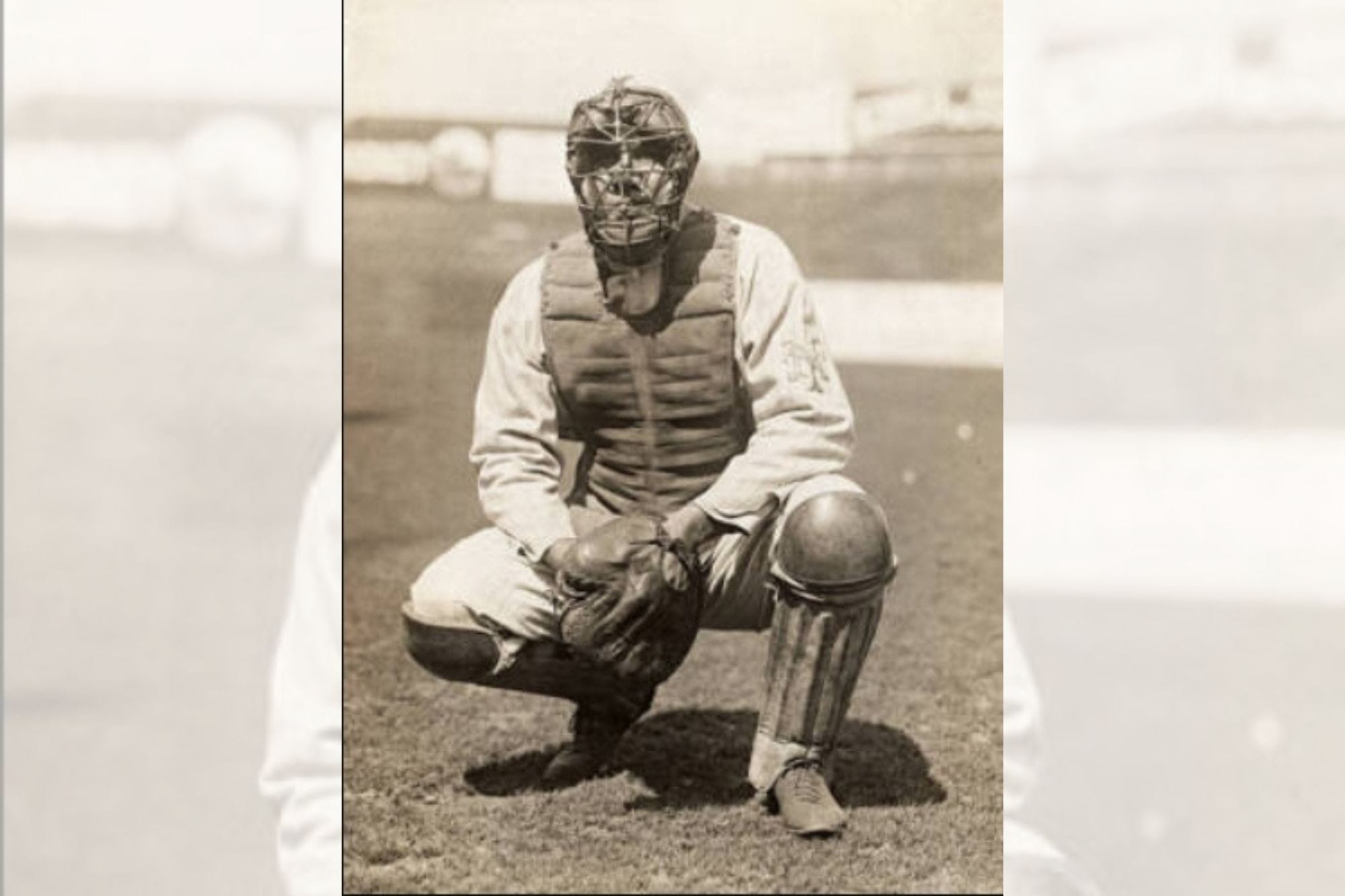
While playing in Albuquerque, New Mexico for the Phelps-Dodge Copper Company, Mr. Meyers made an impression on Dartmouth alumnus Ralph Glaze, a football and baseball star who had played for the Big Six Athletic Club of Trinidad, Colorado. Glaze thought he might convince the Cahuilla catcher from Riverside to play football for Dartmouth on account of his 5'11", 194-pound stature.
What some may not know about Dartmouth is that in its original charter, it made a commitment to the education of Native Americans. It was established for the purpose of training Native people to be missionaries who could then take back the Christian gospel to their people. The founder, Eleazer Wheelock, believed they would have better success than non-natives in evangelizing tribal communities. This goal had remained virtually unfulfilled by the time Mr. Meyers came along, due to the lack of what they considered "qualified Indians." The trouble being that Natives couldn't pass the necessary entrance examinations, nor could they matriculate. The story of his enrollment goes something like... Ralph Glaze enlisted Dr. Ben Beshoar, team manager for the Big Six, to produce a high school diploma for Mr. Meyers. Taking his own diploma and a chemical to efface the name, Beshoar inexplicably supplied the name of Ellis Williams, a name belonging to the left fielder that played with Mr. Meyers on the Clifton, Arizona team. Never mind, Williams was described as a 5'6" red head. Glaze had friends in the Admissions Office, and for a time, they overlooked the discrepancy.
During his one year stay at Dartmouth that began in the fall of 1905, Mr. Meyers felt like a foreigner. Although far removed from his Cahuilla homelands, his heritage kept him strong footed in the dominant society that oftentimes only saw a "big Indian." He learned to deal with being the outsider by using sly wit and ironic humor to combat prejudice. He entertained sports writers and classmates with imaginative stories that fulfilled their shamefully naive views of Native Americans. He held himself with great dignity and personal control when faced with racism on and off the field. Despite the negative stereotypes, Mr. Meyers landed a job with the Harrisburg Pennsylvania club in the Tri-State League. Manager and future Hall of Famer Billy "Sliding Billy" Hamilton signed him to a $250-a-month contract for the 1906 summer. At the end of the season Mr. Meyers returned home to Southern California when his mother fell ill. Family was important and he knew never to lose sight of the places and people from whom he came. He did not return to Dartmouth. Instead, in 1907, Mr. Meyers played for the Butte Montana Rustlers of the Northwestern League. Then for the St. Paul of the American Association where he spent most of the 1908 season before the New York Giants purchased his contract in July of that year. He made his major league debut with the Giants in 1909.
Already 28 years old when he made it to the majors, Mr. Meyers worried about age discrimination. For that reason, he moved his birth year from 1880 to 1882 and in some documents to 1883. Mr. Meyers understood what was at stake, not only for himself but for all Natives. Determined to make an impression, regardless of the objectifying and insensitive perspectives written by the press (which today would get a person doxed, canceled, sued, fired or all of the above), he knew his opportunity would be on the field.
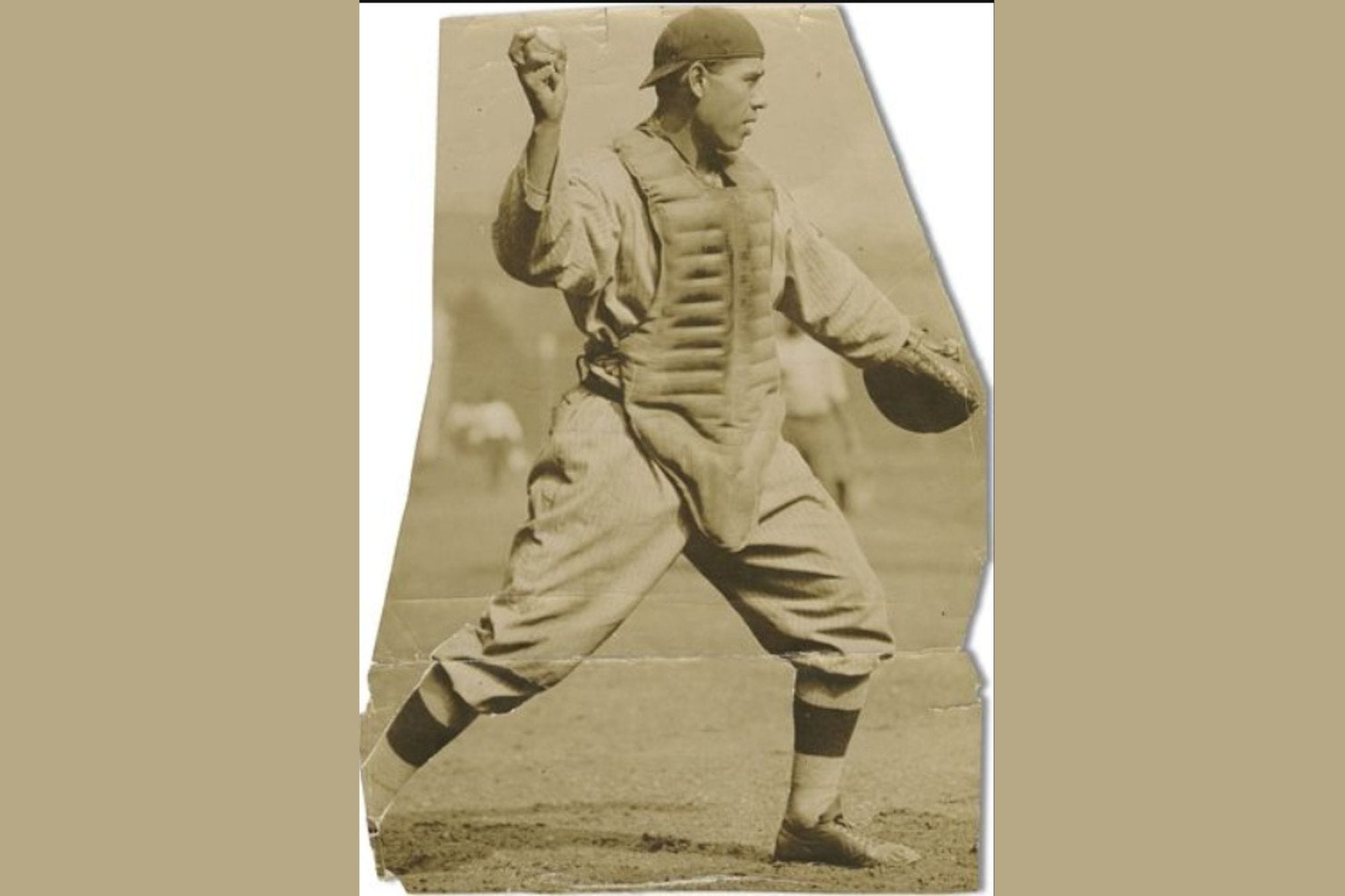
William A. Young, author of John Tortes "Chief" Meyers: A Baseball Biography, writes:
By the end of the 1909 season, he played 90 games, a .277 batting average and a .963 fielding average. Of his 61 hits in 220 bats, ten were doubles, five triples, and a home run. He drove in 30 runs, stole three bases, recorded eight pinch-hits in 24 at-bats, for the best average for a pinch-hitter (.333) in the National League.
Between 1909 and 1915 Mr. Meyers played for the Giants; and with them played in three World Series. They lost all three. In the 1911 Series, he set a record that still stands for the most assists in a six-game series, throwing out 12 runners. In 1916, Mr. Meyers began catching for the Brooklyn Robins (aka Brooklyn Dodgers). For the fourth time in his major league career, he headed to the World Series. They lost to the Boston Red Sox, who had won in 1903, 1912 and 1915. Playing for the Red Sox was George Herman "Babe" Ruth, young and full of promise. Mr. Meyers and Ruth are said to have traded bats; it became one of Mr. Meyers' most prized possessions. In the summer of 1917, Mr. Meyers signed on to play for the Boston Braves, but by the fall of the same year, his major league career ended. His final season may not have been his best; even still, he managed to get recognition in 1918 from Spalding Baseball Record when they named him its catcher on the Grand National All America Baseball Team.
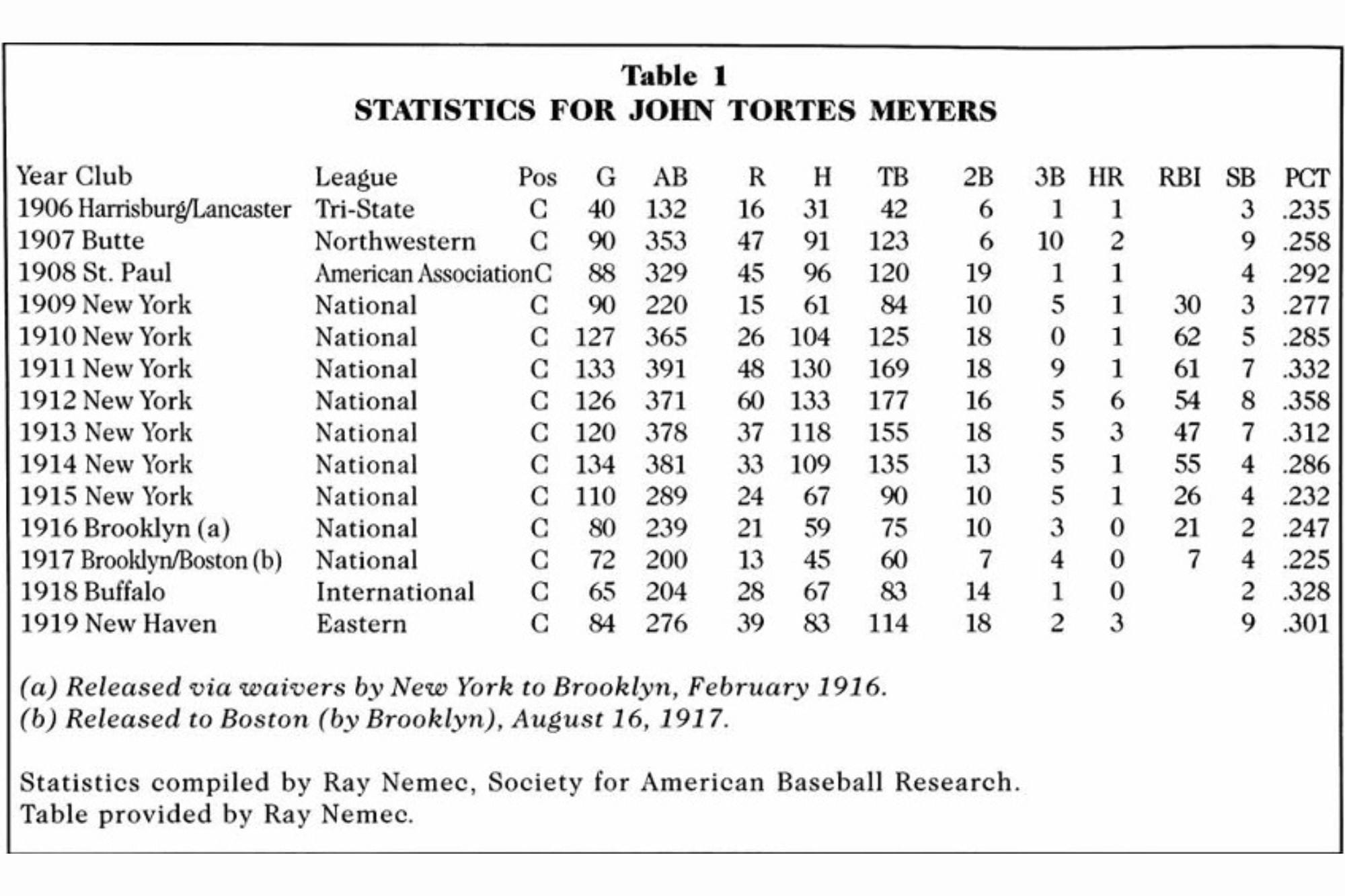
Another honor accorded Meyers was placement on the Grand National All-America Baseball Team (before the creation of the National Baseball Hall of Fame). To be eligible for consideration, one must have played on a pennant winning team between the years 1871 and 1917, played in at least 50 games for the championship team, and have had the highest combined fielding and batting record for one's position. Meyers' 1912 performance of 122 games with a .973 fielding average and a .358 batting average put the right hander ahead of all other eligible catchers, according to Young's John Tortes "Chief" Meyers: A Baseball Biography.
World War I had many ballplayers enlisting once the United States entered the war. Eddie Grant, a Giants teammate of Mr. Meyers and a close friend, became the first major leaguer to die in action on Oct. 5, 1918. To honor his friend, Mr. Meyers joined the Marines later that month. As many as 17,000 Native Americans joined the fight. The French Government awarded 10 of them the Croix de Guerre and 150 received awards for valor. All during a time when Natives did not have the right to vote in the US and were not considered citizens. Congress made a small step in the right direction when they passed an act granting honorably discharged Native Veterans citizenship. It would take another five years before the privilege was extended to all Native Americans. The signing of the Armistice granted Mr. Meyers an honorable discharge on March 17, 1919.
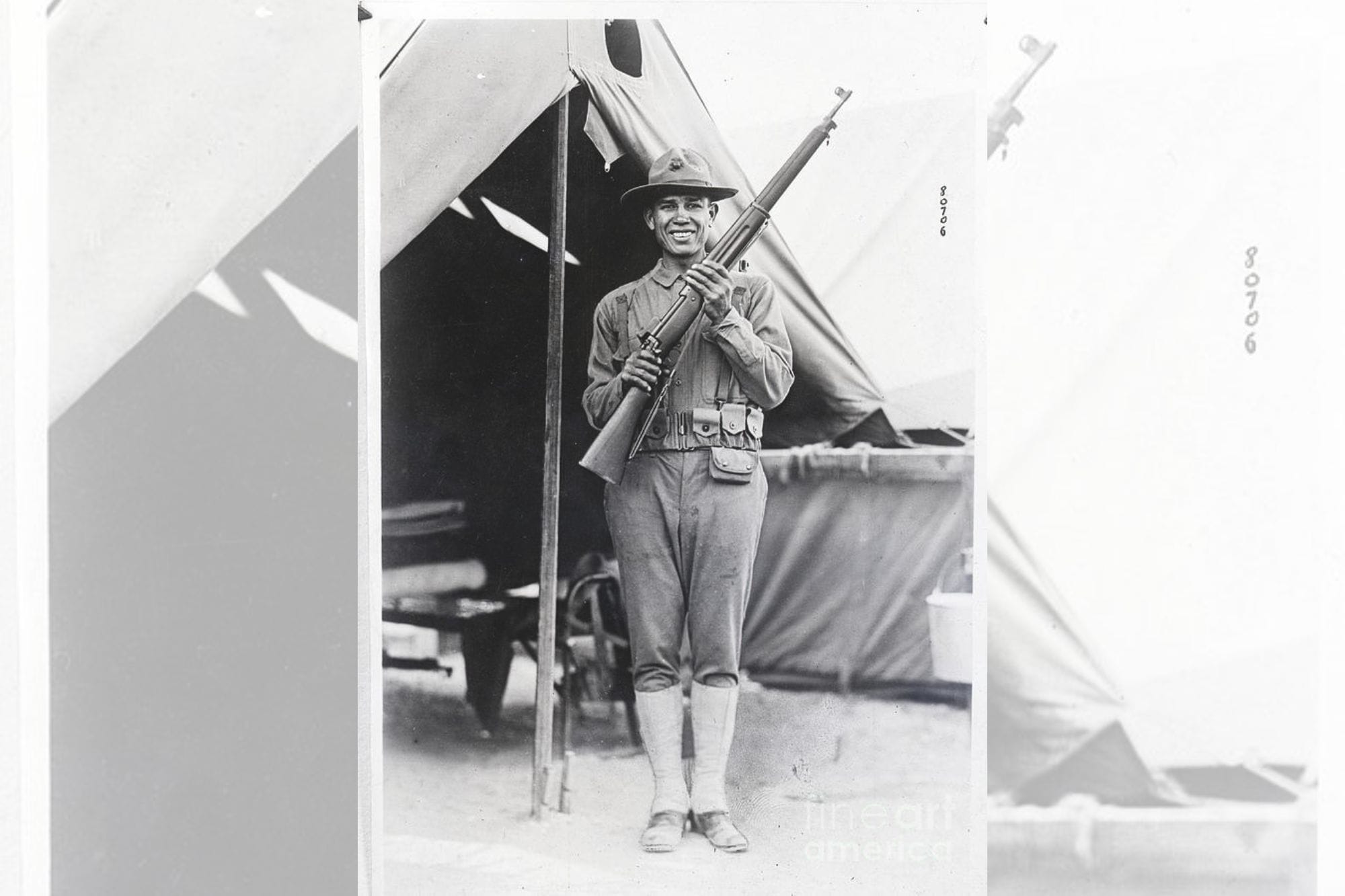
In 1920, Mr. Meyers came back home to Southern California. A place he never abandoned and kept close to his heart all the while becoming one of the first Native American major leaguers to reach success and maintain it for several years. He lived at a time when Natives were under immense pressure to abandon their traditional ways and assimilate to the dominant culture. The harsh, unabashed remarks made towards Native American major leaguers by sportswriters fueled the narrative to leave their tribal identities behind lest they wanted acceptance by Euro-American society. Not the case with Mr. Meyers; he understood the duality of both worlds and decided to remain true to his Cahuilla heritage. He successfully navigated a career away from his people and homelands then returned to his roots to serve as Chief of Police for the Mission Indian Agency that covered 30 reservations from San Diego to Santa Barbara.
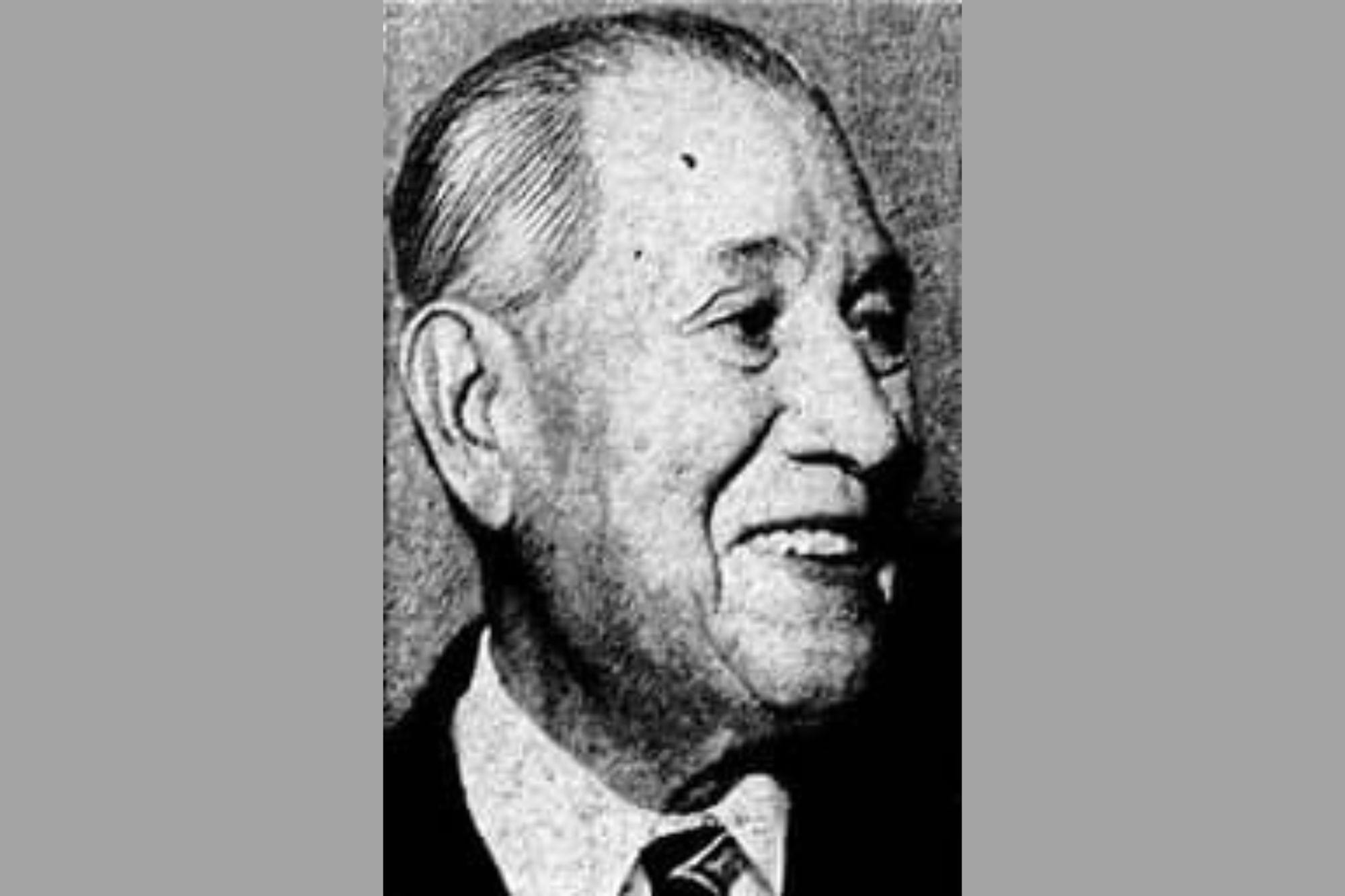
Described by Giants manager John McGraw in 1912 as "one of the best catchers in the National League... a quick thinker, team leader, vicious hitter... the greatest natural hitter in the game and all around a very valuable man," according to Young's John Tortes "Chief" Meyers: A Baseball Biography.
Mr. Meyers lived through many historical moments outside of Baseball. Such as, when Ishi the "last Yahi" was discovered in Northern California, felt the societal impact of the sinking of the Titanic and suffered financial losses during the Great Depression. He also enjoyed celebrity status by being one of the most recognizable ballplayers of his time, briefly wrote as a sports journalist for New York American, possibly to give insight on a ballplayer's lifestyle by someone who lived it, and walked a road less traveled by Native people in hopes of paving the way for others like him. He passed away July 25, 1971, a few days shy of his 91st birthday. Riversiders need not be heavy into baseball to recognize Mr. Meyers' legacy is one meant to be remembered and thought of with pride. Our city's shared history is rich with extraordinary stories and legendary people. John "Jack" Tortes Meyers is one of those legends.
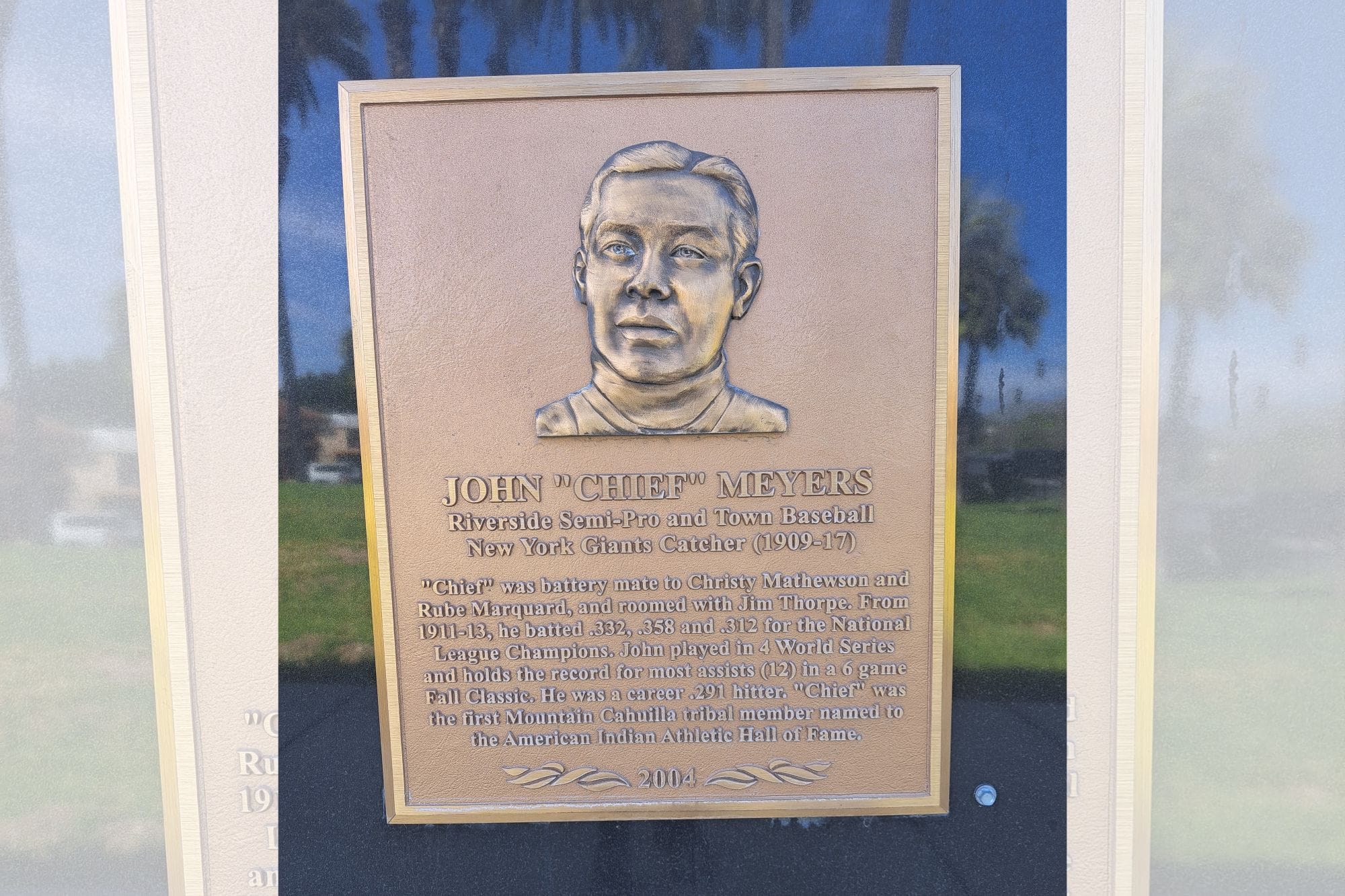
"Chief" was battery mate to Christy Mathewson and Rube Marquard and roomed with Jim Thorpe. From 1911–13, he batted .332, .358, and .312 for the National League Champions. John played in four World Series and holds the record for most assists (12) in a six-game Fall Classic. He was a career .291 hitter. "Chief" was the first Mountain Cahuilla tribal member named to the American Indian Athletic Hall of Fame.


