
April 18, 2026, marks 40 years of Sherman Indian High School's Inter-Tribal Pow Wow. The school itself has a longstanding history in the City of Riverside. Named after Congressman James S. Sherman (later Vice President to Taft) for his involvement in securing funding to purchase land on which to build the school, since its inception in 1902 as Sherman Institute, it rolled out many benefits to the city on account of the close partnership Frank Miller, owner of the Glenwood Inn (later renamed the Mission Inn), established with superintendent Hawood Hall. The two worked in tandem to develop a successful labor force through the Outing Program, where the children and teens were sent to work for affluent Riverside families and ranches in the Inland Empire and Los Angeles, where students received low wages for grueling labor. While the federal government's intent with off-reservation schools was to assimilate and strip Native youth of their language and cultural identity, Miller and Hall's intent was to capitalize on curious tourists who they believed would travel to Riverside to see real-life Indians being re-educated and creating "civilized" members of society.
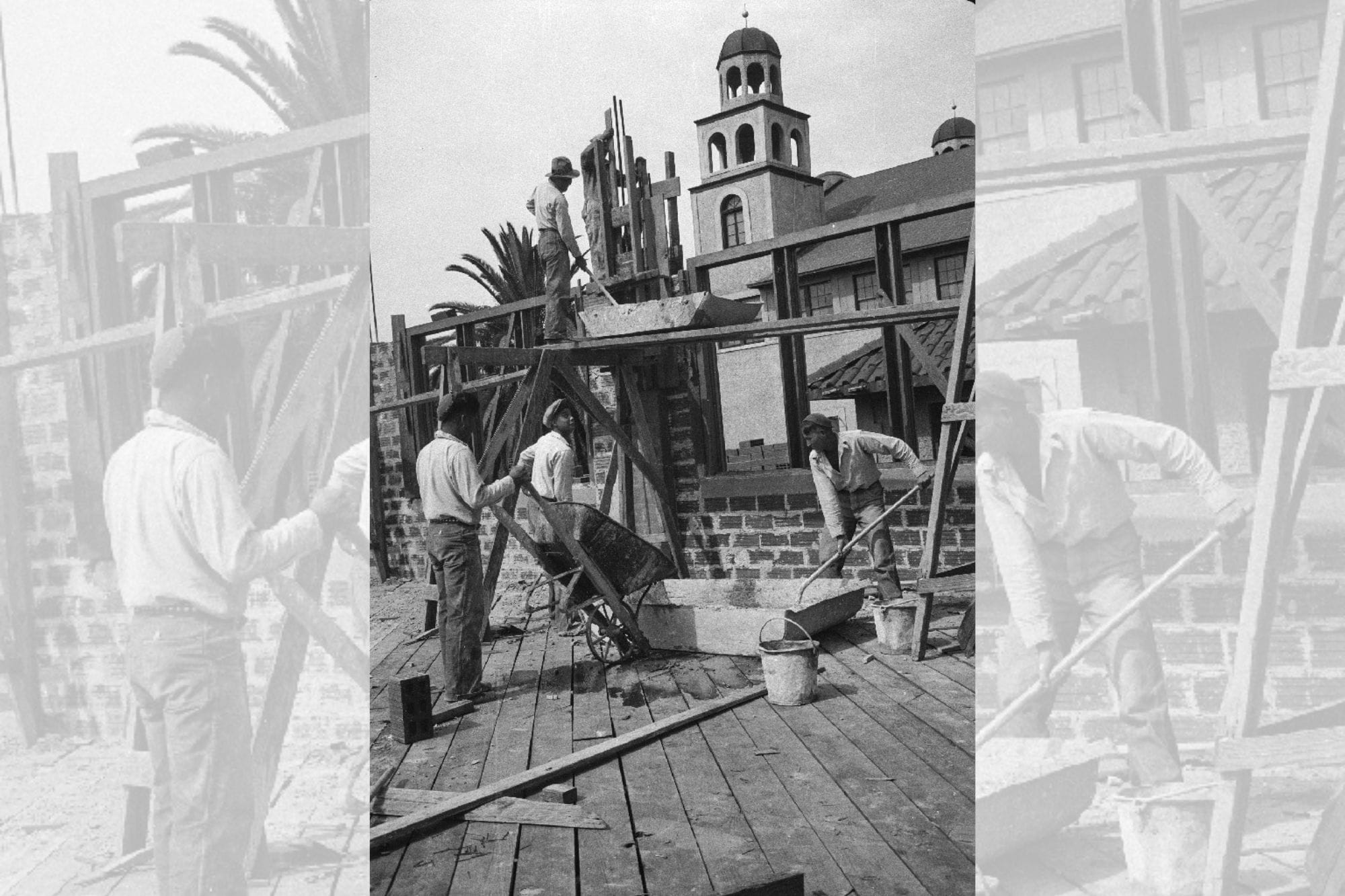
The Bureau of Indian Affairs (BIA) formed these schools for Native children and teens, with the sole purpose to instill an all-American mindset, vocational training in agriculture and manual labor jobs, and Christian religious teachings. At height, the United States federal government funded 408 Indian boarding schools: on reservations, off-reservation, day schools, and some church-run schools. Sherman is one of the 25 off-reservation schools funded and one of four that remain open today. Despite the students being removed from their families and cultural environments, the BIA could not anticipate the inevitable growth of inter-tribal community building being established among the students at Sherman.
As early as 1923, Sherman graduates returned to work at their alma mater. One such student is Ross Townsend, Paiute from Fort Bidwell, Calif. Shortly after graduating in 1930, he took a job as an assistant carpenter offered by assistant principal A.P. Westhafer. He spent the rest of his life, with the exception of four years to serve in the military during WWII, working and raising his five children in a small housing unit on the Sherman campus. His wife, Laura Premo (Shoshone), also a Sherman graduate, worked as an assistant matron for the school. Although the pay was much less than their white counterparts, and Native employees held part-time positions while the latter held full-time employment, they managed to remain proud of their Native identity. Native employees could have entered Riverside's workforce; they instead chose to work at Sherman to support the next generation of students. The motto "we arrive as strangers and leave as family" underscores the enduring connections formed at Sherman.
By the 1950s, students were encouraged to share their cultural ways and traditions. Implemented into the academic experience was the Navajo Program, where students were given the opportunity to share their food, songs, stories, and dances with their Sherman community. This generated tribal clubs within the school, and other tribes began sharing their cultural ways. By the 1960s these events began to spread off campus, and the public was invited to join in the festivities. This drew the attention of Riverside city officials, and in 1970 a proclamation was created by Mayor Ben H. Lewis proclaiming Sept. 25 to be "American Indian Day" — a day in which "our citizens are urged to express their personal good wishes to the Riverside Indian community."
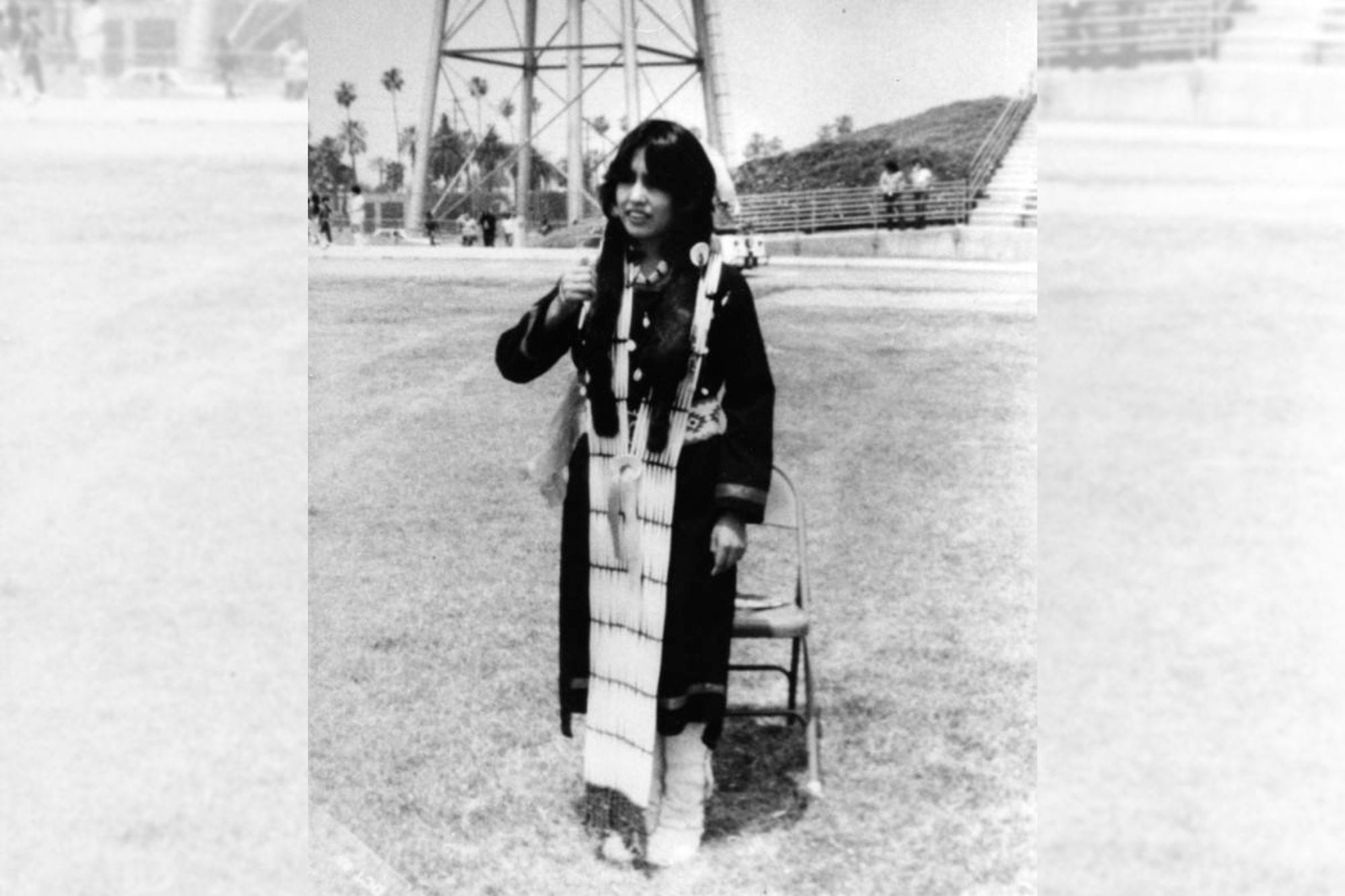
In 1971, the school became accredited by the Western Association of Schools and Colleges and, with the input of the students, took the official name Sherman Indian High School, which is written on the water tower visible from the 91 Freeway heading west from Magnolia Center. By this time, the student body was made up of high school-aged youth and no longer served elementary and middle school children. The changes happening at Sherman would further foster the beauty of Native heritage and reverse the attempt at erasure.
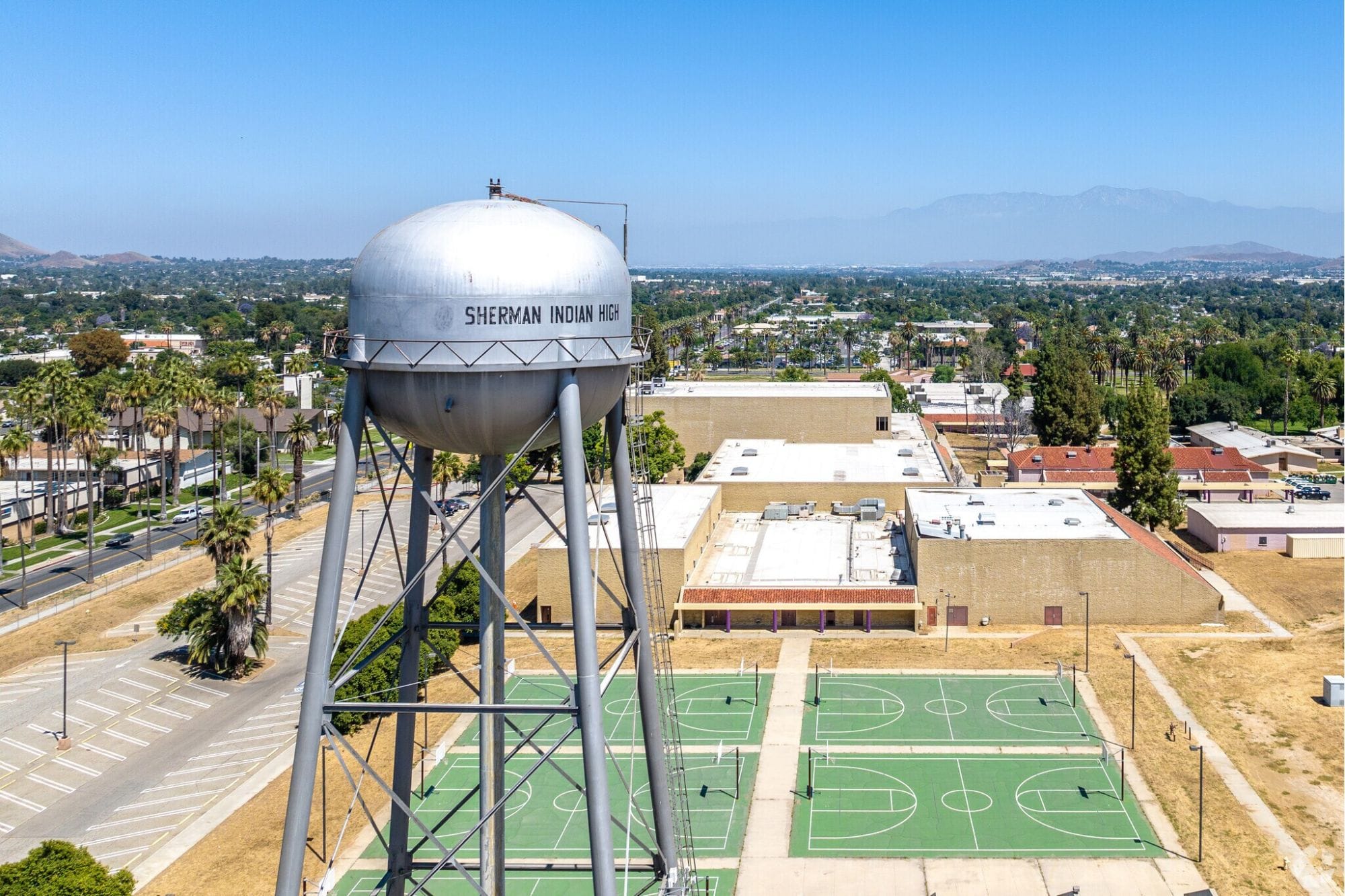
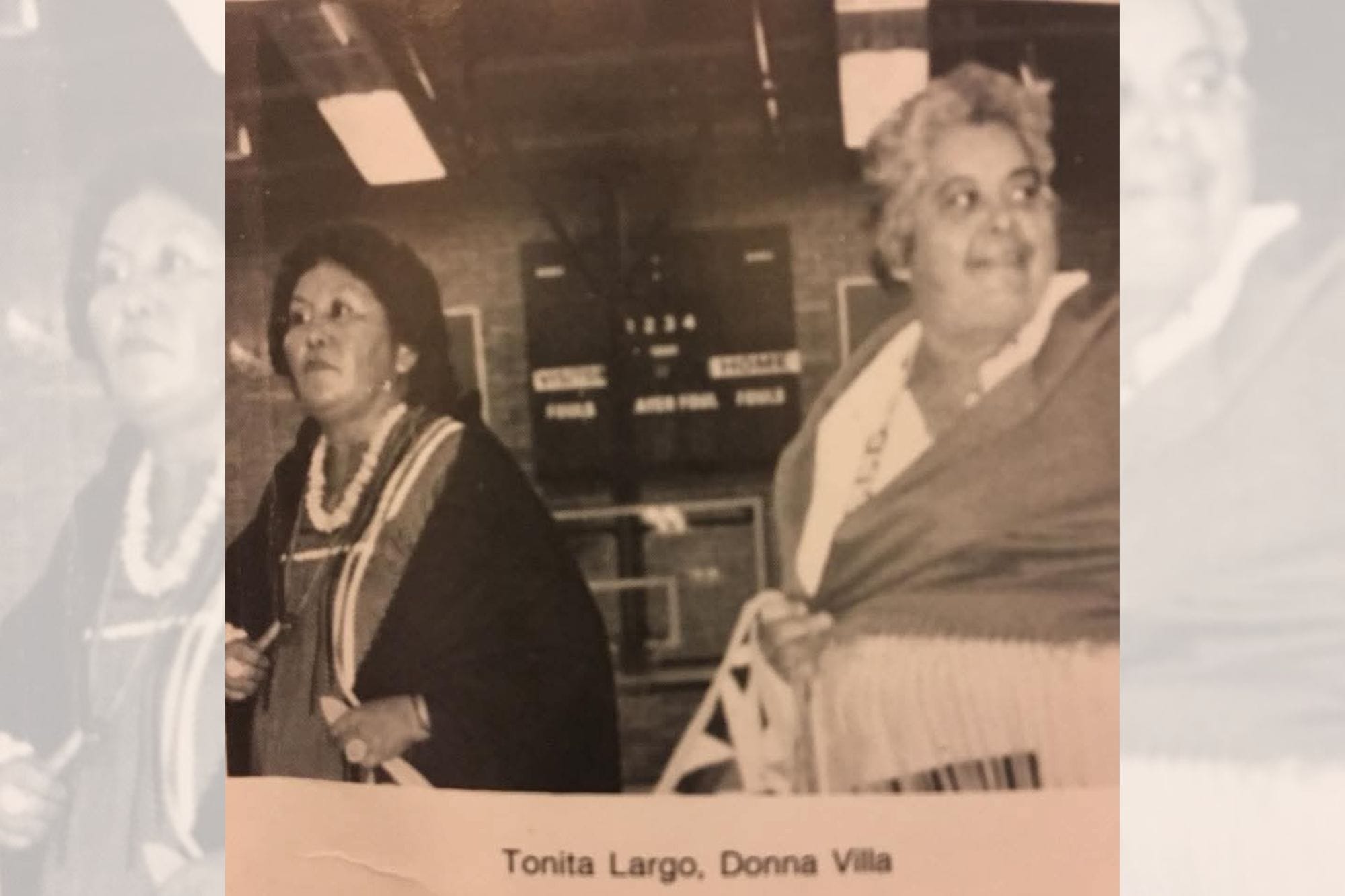
In 1986, Sherman hosted its first Inter-Tribal Pow Wow. It was no easy feat as safety for the students raised concerns. An event of its magnitude with so many people on campus could be risky. The school was no longer open to the public as it had been in the past, so the responsibility fell to the staff to ensure the safety, health, and welfare of each student. Donna Villa, Tonita Largo-Glover, Mary Mojado and Victor Begay made up the pow wow committee that year and were tasked with ensuring the day went smoothly. Traditionally, pow wows are celebrated for three days; one of the tradeoffs of hosting at a school would mean they would only celebrate one day. The committee took this as a win. Since the first year of Sherman Pow Wow, it has continued each year apart from the pandemic and one year when it was rained out. Much has remained the same, including the Ms. Sherman Pageant being held the night before the Pow Wow. This is when a student is chosen to be the cultural ambassador for a year, and the current ambassador passes her crown on to the incoming winner. On the day of the Pow Wow, participants from various Native communities share their dances and performances, set up booths that include arts and crafts, and traditional foods. These booths help create a beautiful display of Native culture and heritage in a respectful way that is both collaborative and educational. Local colleges and universities are also invited to set up informational booths. The event is open to the public and always free, with the exception of a small parking fee. All proceeds raised, after costs, assist graduates and create scholarships.
Pow Wow Vendor Coordinator Teresa Iyotte shares:
"Pow wows have historically brought together individuals from diverse tribal nations across the U.S., allowing participants to exchange traditional values and cultural practices that may be inaccessible in their local communities. Through the annual school pow wow, students learn about pow wow etiquette and are exposed to a variety of dances and songs representing numerous tribes."
In 2008, 22 years after the first Sherman Indian High School Inter-Tribal Pow Wow, the City of Riverside again created another proclamation, this time recognizing the third Saturday of April as "Sherman Indian High School Inter-Tribal Pow Wow Day."
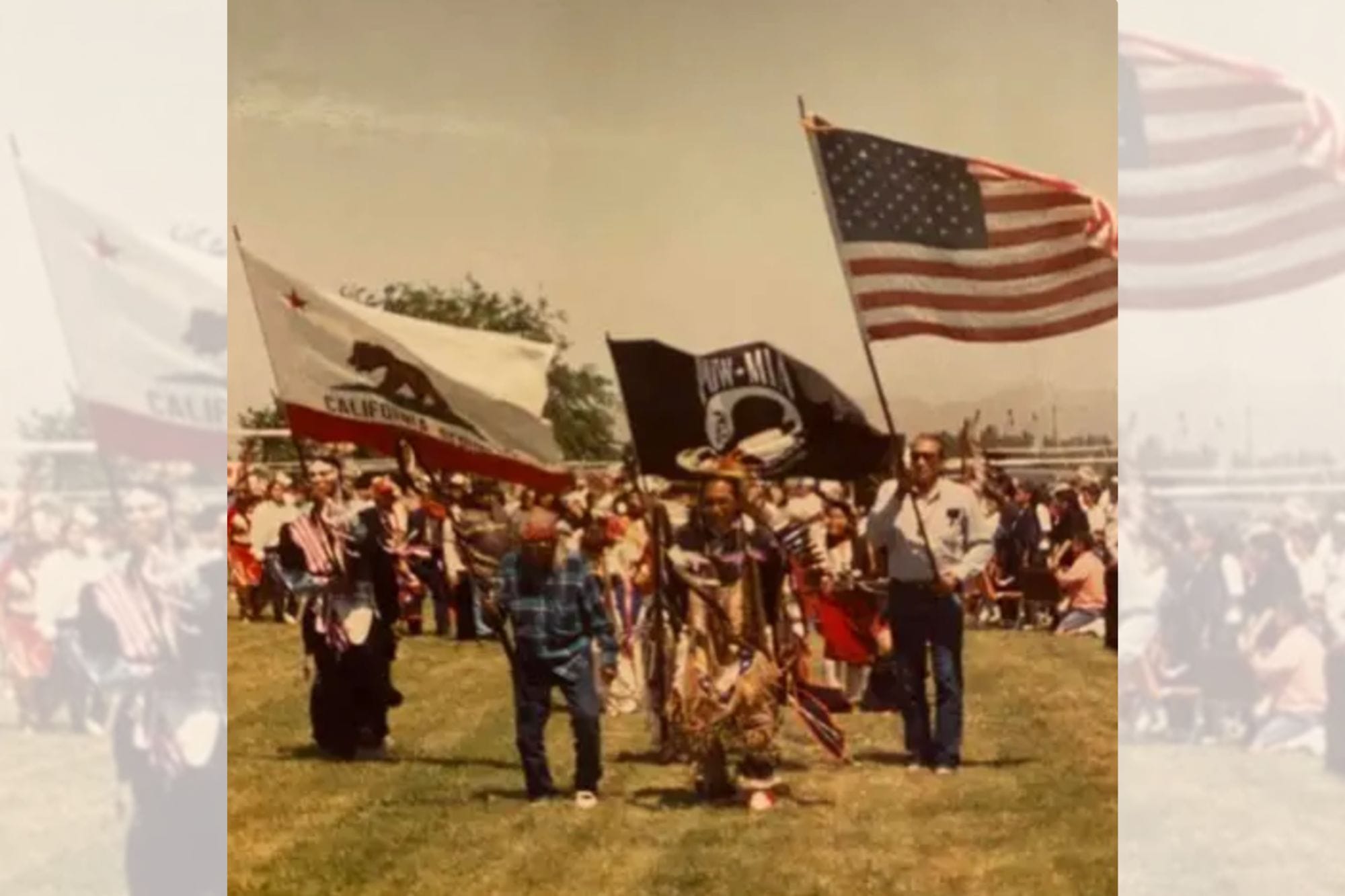
Today, while Sherman Indian High School is still funded and operated by the U.S. Bureau of Indian Education/Bureau of Indian Affairs, it has progressed into something nothing like its former self. It is a success in that it has brought tribes from all over the country together to celebrate the rich diversity of Native American heritage — not meant to relive the sins of the past, but to highlight a powerful testament to resilience and enduring strength from a people that are still standing, still celebrating, still thriving and succeeding. As Riversiders, let us be eager to join in and support the students for a day full of learning, community and culture.
More information: The Sherman Indian High School Inter-Tribal Pow Wow takes place Saturday, April 18, 2026, from 10 a.m. to 10 p.m. at Sherman Indian High School, 9010 Magnolia Ave. Admission is free; parking on the campus lot is $5. For more information, visit raincrossgazette.com.
By Rosy Aranda, in collaboration with Dr. Daisy Ocampo, Lorene Sisquoc and Teresa Iyotte


