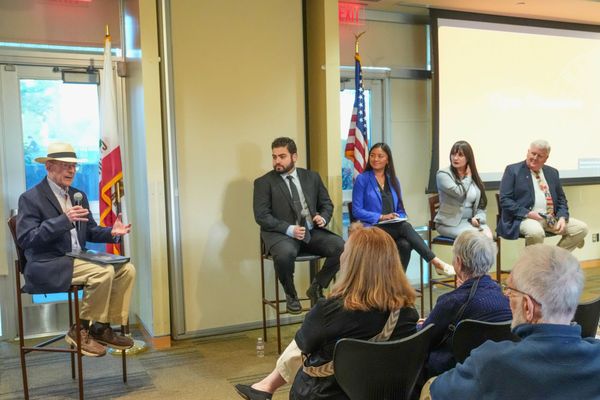

Four candidates for City Council Ward 2 debated homelessness, housing, economic development and more at the Raincross Gazette's first-ever candidate forum on Thursday evening.
Nonprofit director and Budget Commissioner Aram Ayra, entrepreneur and Planning Commissioner Christen Montero, Western Municipal Water District Director Gracie Torres and financial and IT consultant Mike Vahl are running for the seat soon to be vacated by Councilmember Clarissa Cervantes, who is running for state Assembly.
Ward 2 covers neighborhoods including Eastside, Canyon Crest, Mission Grove, Sycamore Canyon and the University District.
The forum was moderated by former Press Enterprise columnist and longtime Riversider Dan Bernstein, who introduced discussion questions on both citywide issues as well as Ward 2-specific questions.
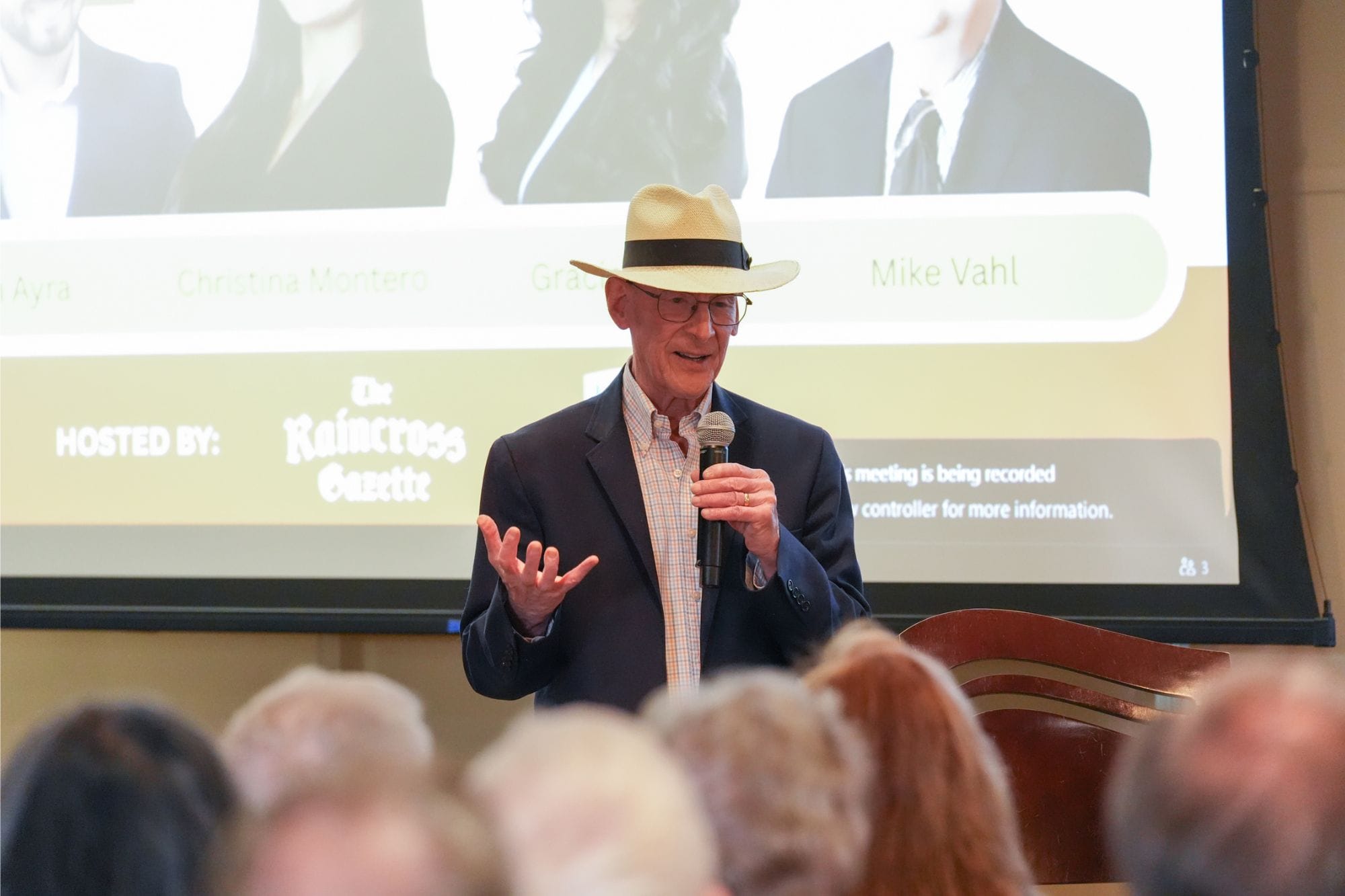
"The hope is that [after the forum] you have a better idea of who you want to represent you in Ward 2," Bernstein said.
Ward 2-specific questions
Quality Inn/Homekey+ Vote
Question: In January, the council narrowly voted to turn down a $20 million grant that would have converted the Quality Inn on University Avenue to permanent supportive housing. This decision is now being contested in court on the grounds that it violated antidiscrimination laws. If you had been on the council, would you have voted to accept or reject this grant money? And why?
Ayra: "I would have resoundingly supported that project, no questions asked. I think it was a major misstep by the council to turn down that kind of money. It was a once-in-a-generation investment in homelessness. It sent the wrong signal to our Riverside community, it sent the wrong signal to the state of California, it put our pro-housing designation at risk, and it told people that Riverside's not interested in solutions, it's interested in partisanship and just political showmanship. It was wrong, and I would really hope all the answers here are that they would have supported this as well."
Montero: "That Quality Inn project was huge for us, and given the fact that that is something that we applied for and then in the end turned down when we were given the funds, what does that tell the state when we want to come back and ask for more funding to improve our housing? Especially if right now we're not meeting our housing goals, where are we going to get the money from? Do we have to increase measures anymore? I don't think so."
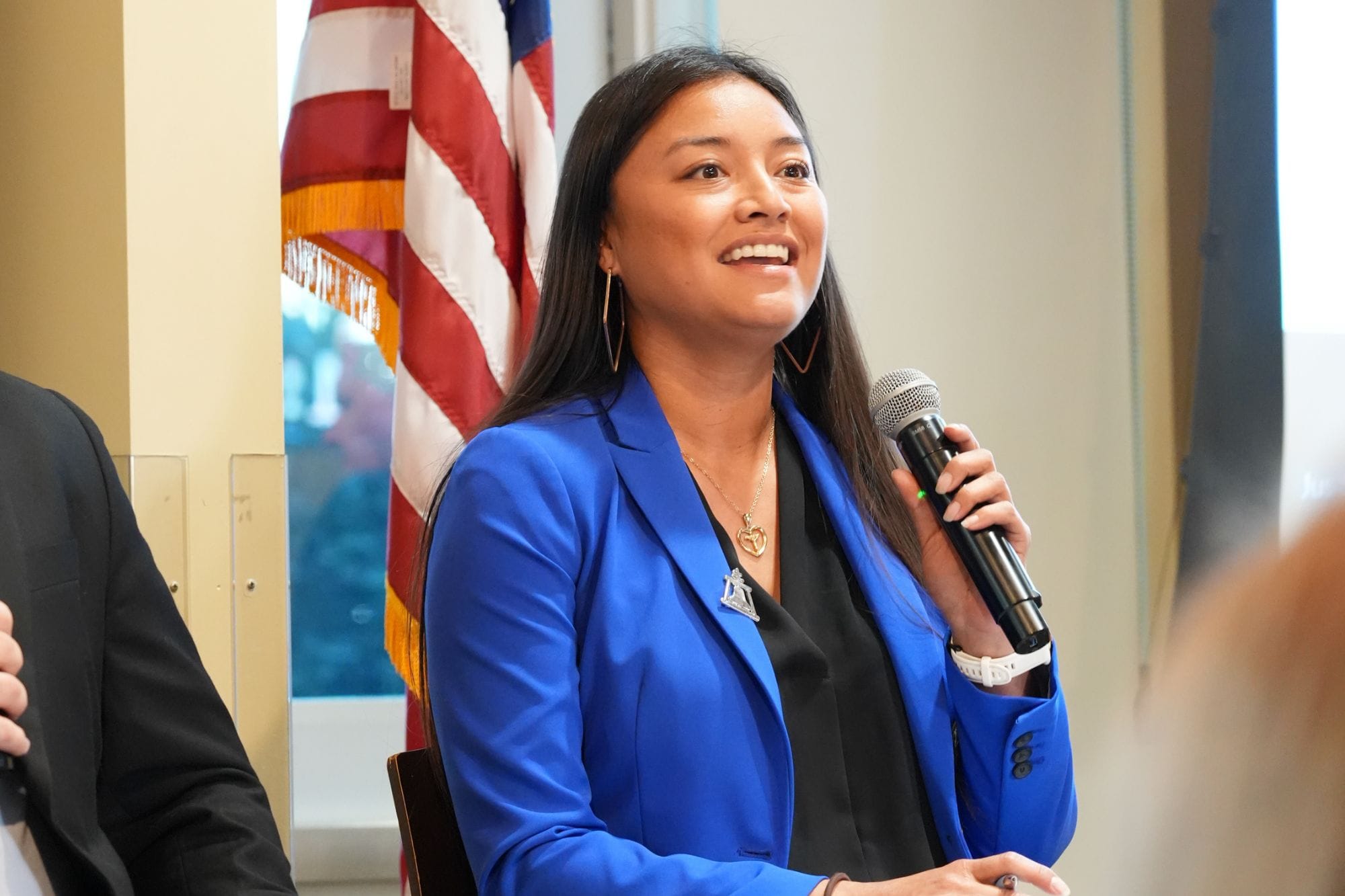
Torres: "I wasn't on the city council when it happened. What I wanted to know is how many residents, and I know people want to turn that into businesses, but how many residents were actually engaged with about this project? I couldn't get an answer for that, right? What I know is that we need projects like these. We need housing. I'm supportive of those things, but the reality is this didn't happen…because the council was unwilling to work together…If I had been on the council and known that no resident was talked to, then I would have voted against it, which is what I said before."
Vahl: "I would have voted against it. One of the things that I found out was that this is a 50-year project, which you're getting a $20 million grant for. The time for over 50 years was over $100 million the city would be responsible for. And so you're getting $20 million to spend $100 [million]. Is that a good deal?"
University Avenue
Question: There's a lot of vacant, city-owned property along University Avenue that has been up for sale and off the tax rolls for years. What kind of development do you want to see, and what will you do to get things moving?
Ayra: "I've talked about this a lot. The University Avenue specific plan has not been updated in over 20 years. There's components in there that maybe made sense at the time that no longer make sense today for the development. We need to prioritize, I think, housing development first and foremost, especially along University Avenue. If there's ways to put in retail spaces, if there's ways to put in small businesses, I fully support that. But the priority needs to be housing. It's already zoned. Therefore, we have an opportunity to really build along a very nice transit corridor. That would be my priority. And to get things moving on day one, I would convene the University Avenue specific plan to get a group going and make sure residents had input on how it was developed as well."
Montero: "A lot of these lands are vacant because of the changes recently in different policies when it comes to housing. I think definitely because it's already zoned…I think it's really important to continue to provide housing for our residents, whether it's middle-class housing, multi-unit housing. At the same time, that doesn't mean we overlook why some commercial entities refuse to purchase those properties. Some of those properties are actually poisoned with things that are leaking out of the ground from generations of businesses having been on there in the past and just covering it up and staff reports to turn it into residential housing. I think we also need to look into the detail of how those pieces of land have been taken care of before we just build on it as well."
Torres: "I would like to see more third spaces. We need places for our students to hang out. So they're not partying in our neighborhoods. We need a lot more of that, of those types of spaces in this corridor."
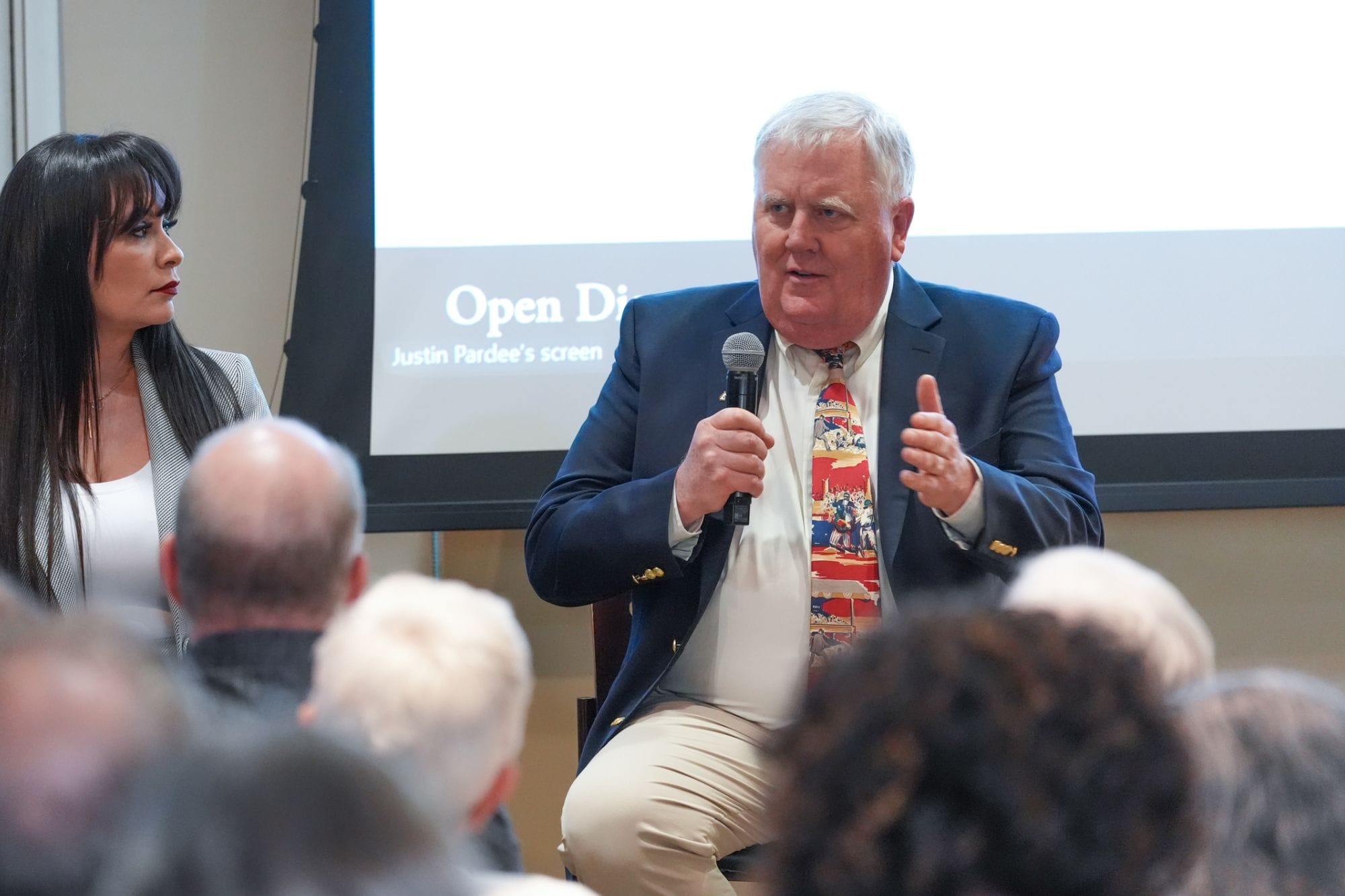
Vahl: "I would go for some parks. If we're doing new housing, the less apartments, the better. We don't need buildings with 300 apartments at $2,500 a month."
Investor-Owned Rentals and Student Housing Near UC Riverside
Question: Residents near UC Riverside say corporations and investors are buying up single-family homes, adding bedrooms and packing them with students. Parking disappears. Neighborhoods change drastically. Ordinary families feel under siege. Should the city limit how many unrelated people can live in a single-family home? Which rules currently on the books need stricter enforcement?
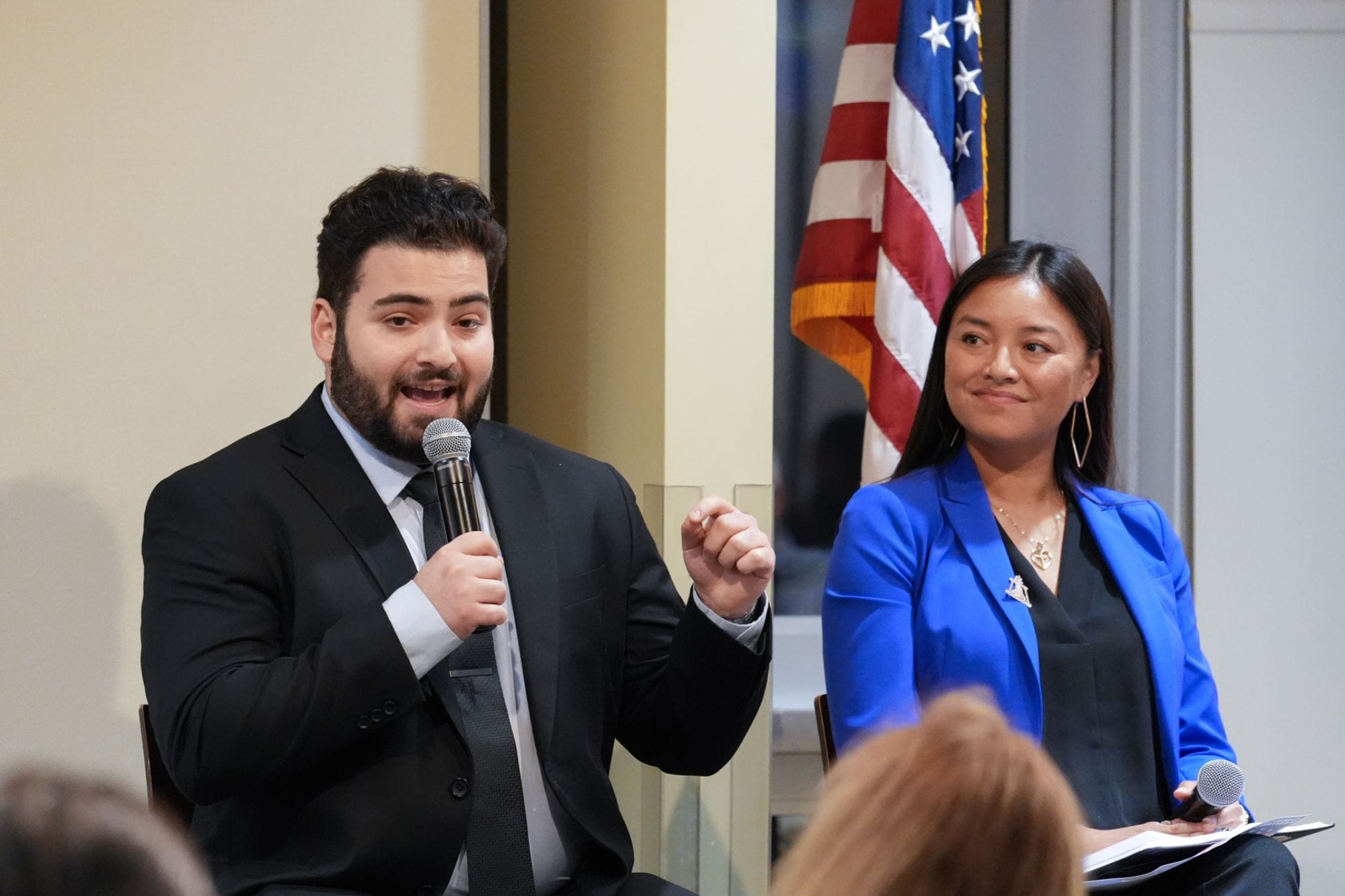
Ayra: "Being a resident that lived in those homes during my time in college, this is something that was poorly managed, I think, by the city. They allowed cut-ups. You have landlords, again, from out of state, from out of country sometimes, buying up a single family home and cutting it up into seven, eight rooms. That brings the parking. That brings the trash, the noise disturbances. At the same time, we pulled back funding for things like UNED, which managed some of those and mitigated some of those impacts on the community. I think the city should limit, but at the same time, we need to go after the source of the problem, which is treating housing as an investment. That is what has propagated this most importantly in these neighborhoods because it's been allowed to happen. Secondly, like I said before, I would really push the university to build more housing on campus and help them, get them state grants, work with them to lobby up at the UC regions to make sure that we're housing more students off campus – on campus and less off campus."
Montero: "If we limit the unrelated amount of people in a household, that's covering the symptom, not the problem. The problem is truly we need to limit the amount of corporations that are owning our homes and what they're doing with it, and we need to give that back to the people, back to the residents, so we can own our homes, so our kids can own homes, so our grandchildren can own homes, and really take a look at putting a percentage on how much corporations can own in our own housing and looking at, you know, how many of our housing today is actually owned by residents and going through data-driven results."
Torres and Vahl did not answer; the moderator moved on for the sake of time.
Crime and Public Safety
Question: Multiple residents who registered for this forum wrote about the same thing: crime. They want and need help. Riverside's crime rate is 27% above the national average and the UCR neighborhood rates among the city's higher crime areas. What is one specific thing you, as a council member, will push for to make Ward 2 safer?
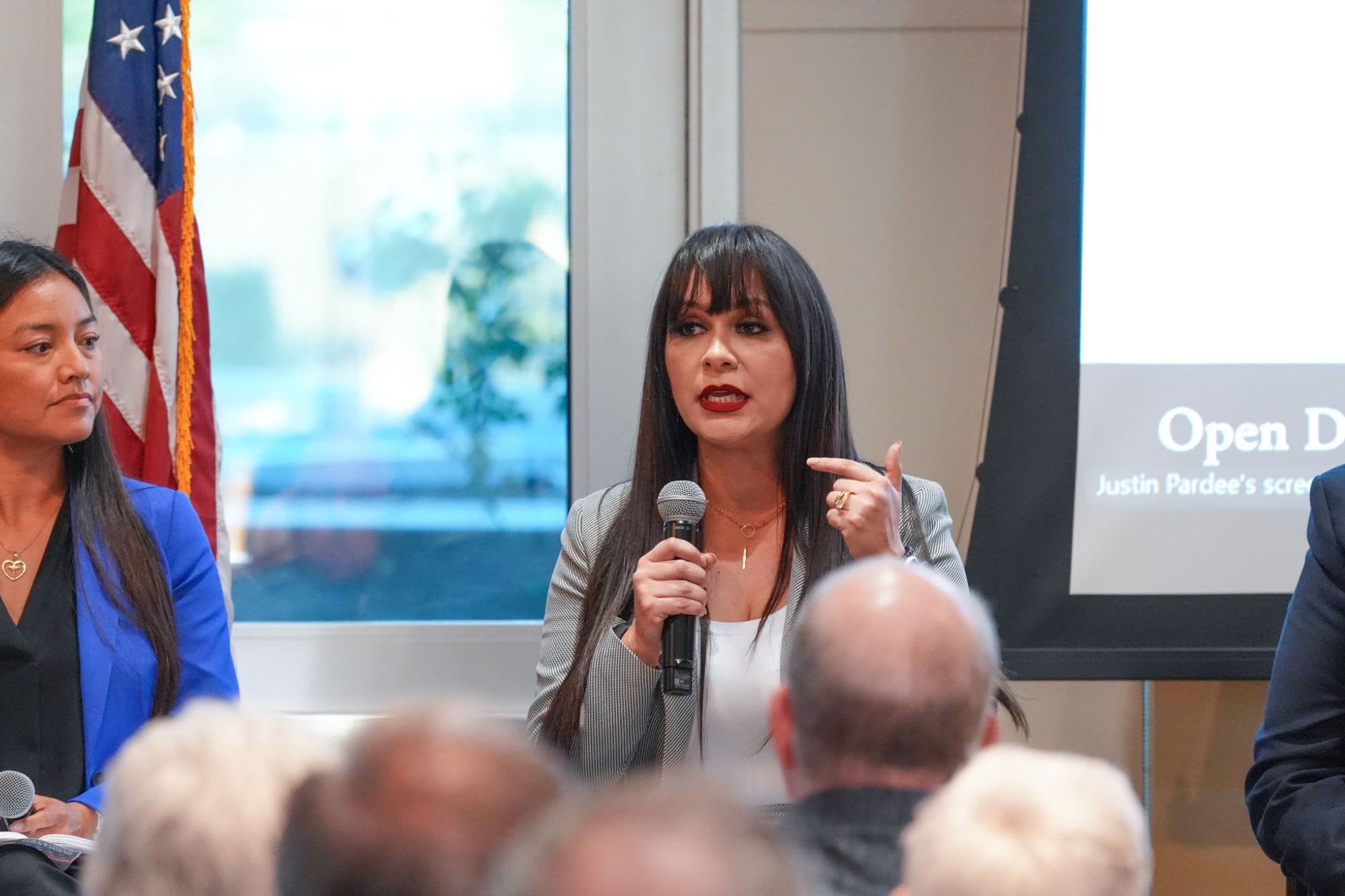
Torres: "We need to lower the response times. We need to make sure that our dispatchers are taken care of and paid well. One thing that's different between us public employees and the police is that they can't – they don't have the luxury to call an emergency and stay home. They have to go to work. And so we need to be able to take care of them so they can take care of us."
Vahl: "I would get with Police Chief Larry Gonzalez and try to work out some type of a coverage plan with the officers and the local lieutenant to make sure that we had more – at least 20% to 40% more patrols. And so the more visible police are, the less crime you're going to get."
Ayra and Montero did not answer; the moderator moved on for the sake of time.