
🗞️ Riverside News- February 23, 2026
Council approves spending, fire safety; bar permit revocation; museum collection gaps...
Council approves spending, fire safety; bar permit revocation; museum collection gaps...

City Council meets Tuesday with $1.8 million in spending approvals and a Fire Department defensible space discussion. The Planning Commission will consider revoking a Downtown bar's permits after repeated code violations and emergency calls.
How decades of bias shaped what was — and wasn't — preserved.

How decades of bias shaped what was — and wasn't — preserved.

A presence in the community, but an absence or lack in the Museum of Riverside's collections, reveals biases in how items were acquired over the decades. The African American community, for example, was pivotal to the growth of the City, but the Museum's collections do not yet reflect this reality fully.
One key figure in Riverside's African American history was early resident Frank Johnson, owner of Johnson Carriage Company. He unsuccessfully fought to desegregate The Plunge, a pool at Riverside's Fairmount Park in the 1920s. He also initiated a census campaign that took a count of registered voters in the area and led to Black people finally being included on Riverside's juries. Opening in 1912, the Plunge was part of the original John Olmstead plan for Fairmount Park but by 1959 had deteriorated to the point that it had to be closed.
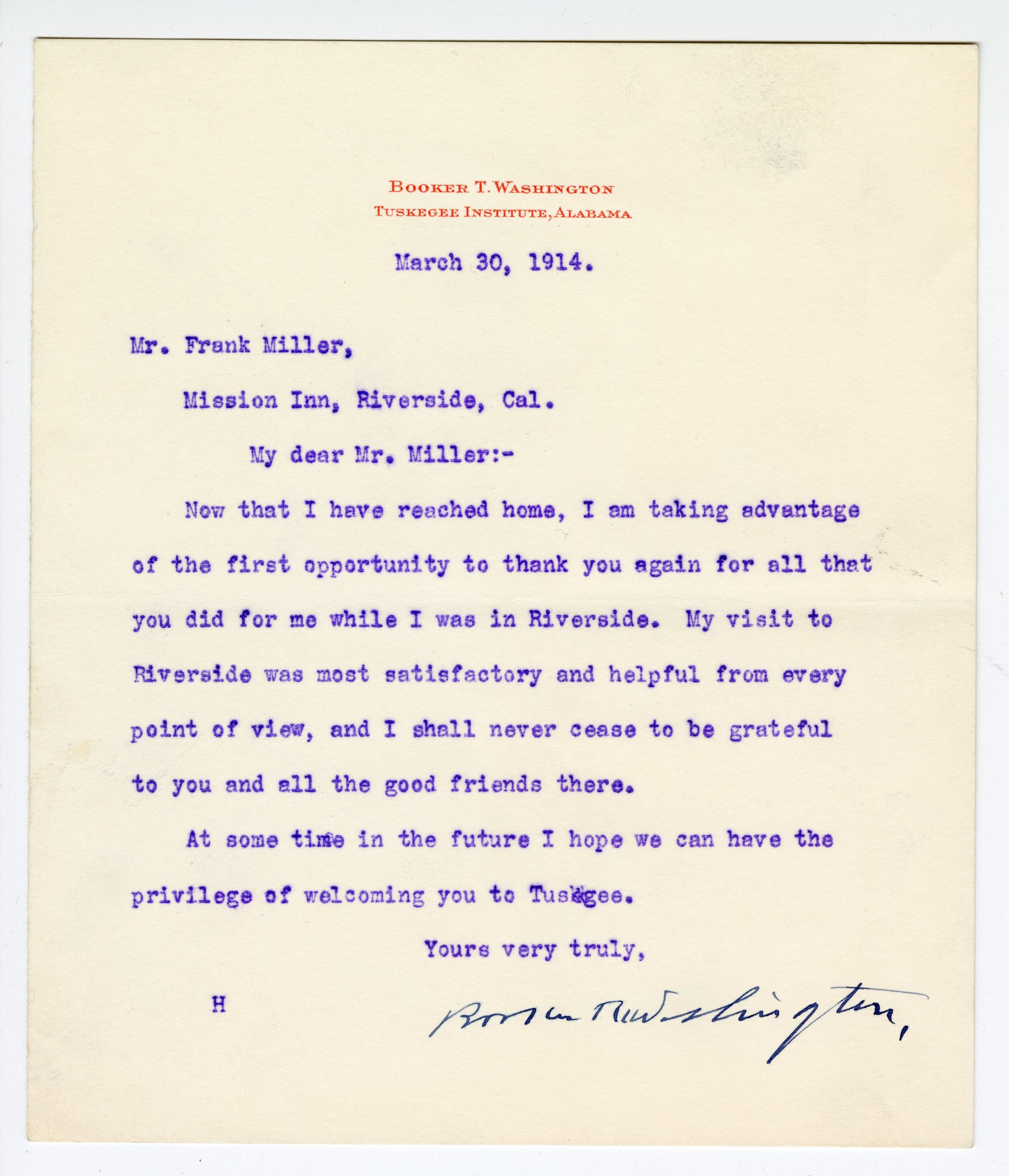
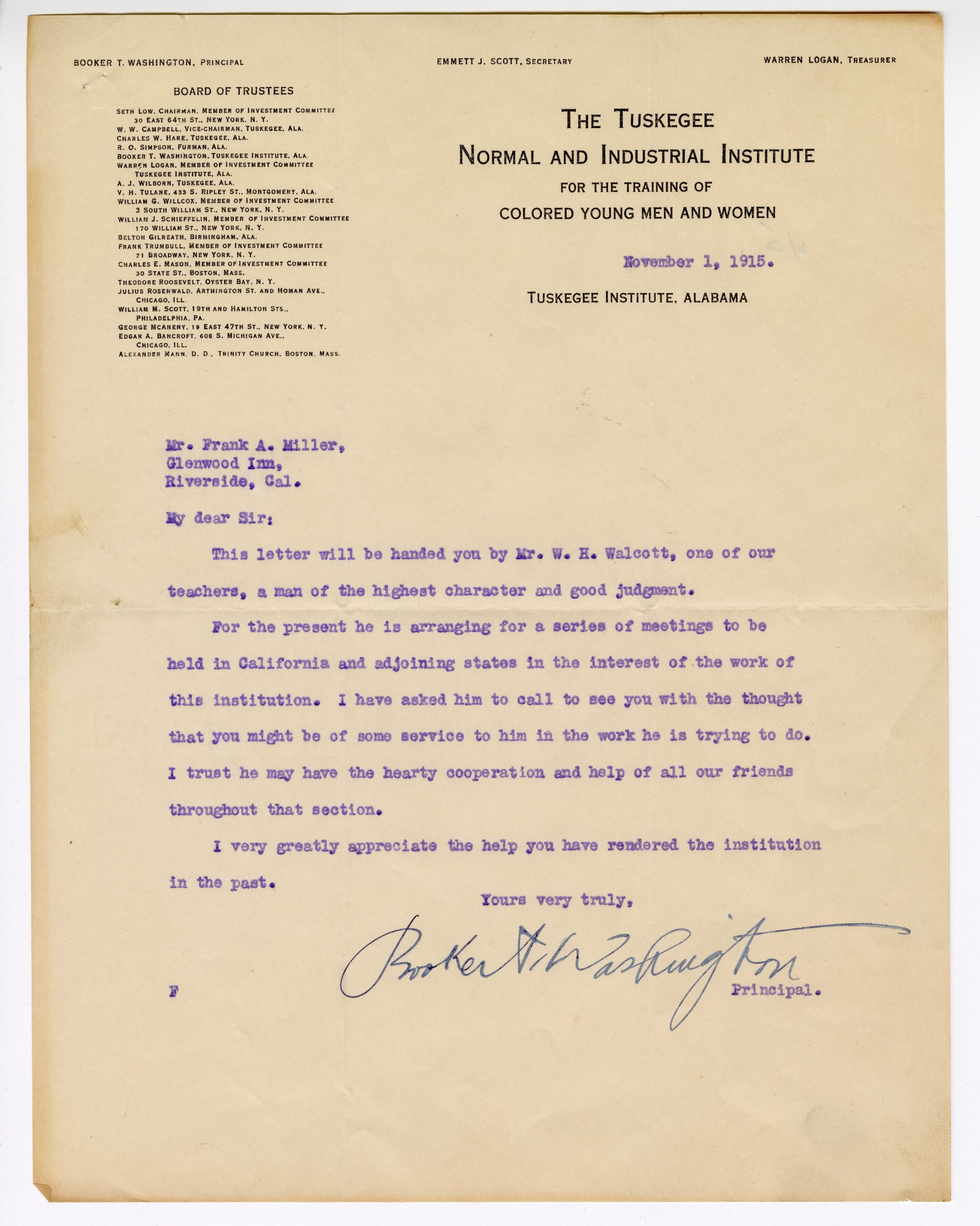
Letters between the son of civil rights leader Booker T. Washington and Riverside businessman Frank A. Miller, circa 1914-1915. (Courtesy of the Museum of Riverside)
In these letters, the son of civil rights leader Booker T. Washington and influential Riverside resident and businessman Frank A. Miller discuss the segregation of The Plunge at Riverside's Fairmount Park. Many residents and visitors advocated for the desegregation of The Plunge. It did not desegregate by its closing in 1959.
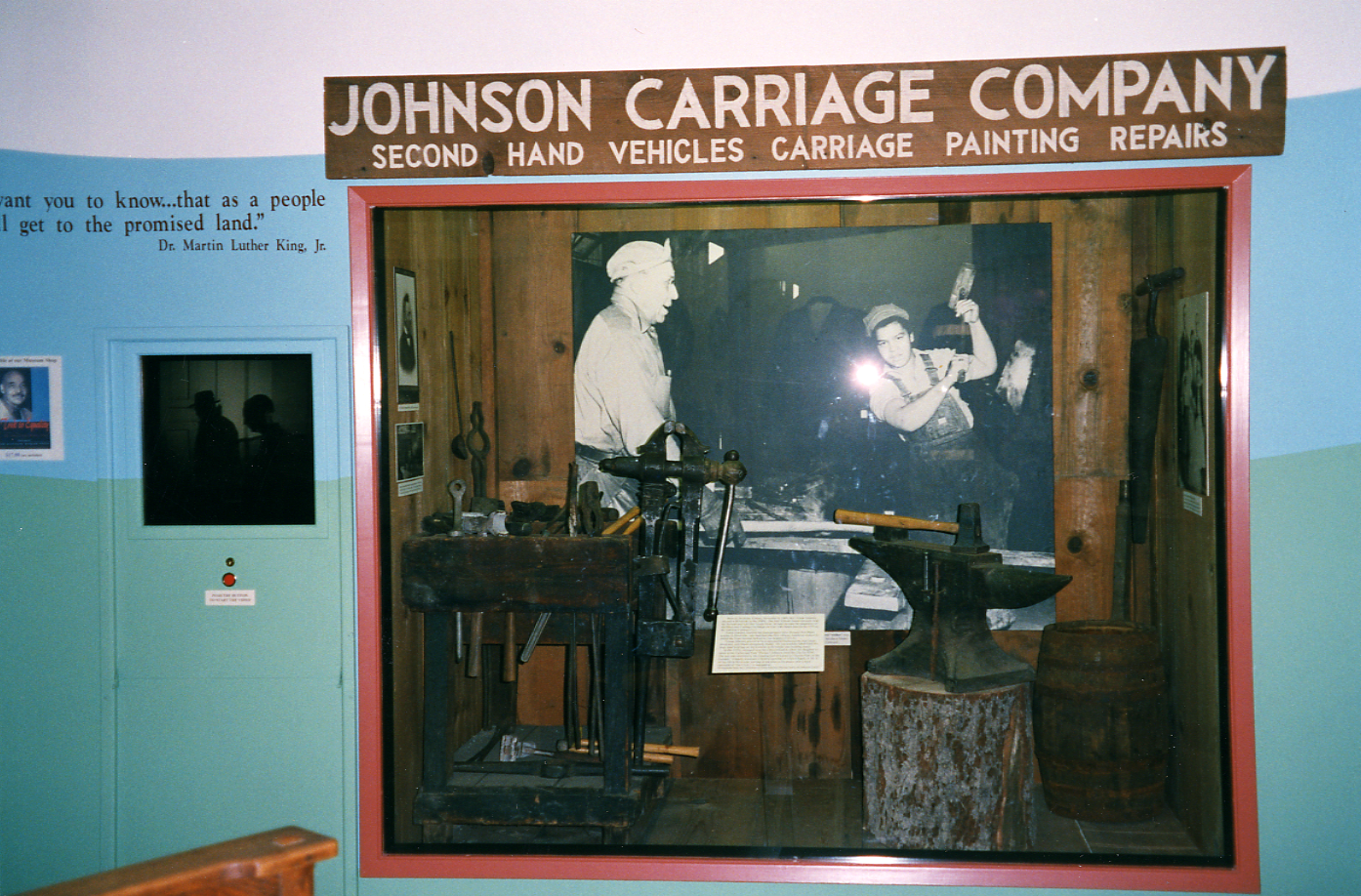
In the 1996 exhibition Westward to Canaan: The Rise of Riverside's African American Community 1880-1980, there were very few objects in the Museum's collections to tell the story of pioneering Black families. To include Frank Johnson's company sign, staff had to commission a reproduction. When the original Johnson Carriage Company sign was removed, it was most likely reused or thrown out, demonstrating how ephemeral, everyday objects can hold important stories yet be lost if their importance is not recognized at the time.
These objects represent a key moment in history for the African American community in Riverside. They serve as examples of the items the Museum hopes to collect as it aims to preserve and present the stories of Riverside's diverse communities.

This season's navel orange harvest connects visitors to the groves that shaped our region.

A year of momentum brings progress on exhibitions, historic sites, and digital presence as the museum looks toward its 2027 Downtown reopening.

The Museum of Riverside invites the community to experience the warmth and traditions of a 19th-century holiday celebration with festive tours and a special open house in December.

Local leeches get a bad rap, but these blood-sucking creatures have fascinating abilities and surprising medical uses - plus they're right here in Riverside's waterways.
Let us email you Riverside's news and events every morning. For free!