
February feels quiet in the garden, but it's actually one of the most important months of the year. What you plant, prune, and protect now sets the stage for spring success or spring frustration, so let's dive into what I'm doing in my garden.
The Biggest Job This Month: Pruning Stone Fruit Trees
If you have stone fruit—anything with a pit like peach, plum, nectarine, or apricot—February is prime time to prune.
Before you start, make sure your tree is ready: all the leaves should have fallen, but buds should not have bloomed yet.
When pruning, aim to open the center of the tree for better airflow and light. Remove anything dead or diseased, as well as crossing branches and growth that goes straight up or straight down.
Next, check the height of your tree. You want to be able to reach your fruit. Whatever height your tree is now, it will likely double with new growth. I prefer to keep trees no taller than 10 feet, but you may want them even shorter if you don't want to use a ladder at harvest time.
Also remember that fruit forms on one-year-old branches (apricots primarily fruit on two-year-old spur wood), so avoid over-pruning, topping, or hacking your tree back to a stump—you could be cutting off this year's fruit.
One last tip for stone fruit: If you noticed leaf curl last summer, now is the time to spray with a copper fungicide.
What Are We Planting?
February is an excellent time to get both seedlings and seeds in the ground. For beginning gardeners, I recommend skipping starting seeds indoors. Instead, buy seedlings (baby plants) for crops that typically require indoor starting. You can find this information on the back of a seed pack. As you gain experience, you can always add seed starting later. Buying seedlings saves time, gives you a head start with healthy plants, and simply sets you up for greater success.
Seedlings:
- Leafy Greens: Lettuce, spinach, arugula, kale, chard, collard greens
- Brassicas: Broccoli, cabbage, brussels sprouts, cauliflower
- Herbs: Cilantro, parsley, oregano, rosemary
Direct Sow Seeds:
- Root vegetables: Beets, carrots, radishes, onions, garlic, potatoes
- Peas, lettuce
What Are We Picking/Harvesting?
Fruit: Citrus (oranges, lemons)—the jewel of Riverside!
Vegetables: Kale, chard, mustard greens, lettuce, spinach, broccoli, cauliflower, cabbage, brussels sprouts, celery, green onions, radishes, peas
Herbs: Parsley, cilantro, rosemary, basil (thanks to our warm winter)
Flowers: Marigolds, pansies, snapdragons, calendula, sweet peas
Tip of the day: The more you harvest herbs, the more you get! But never remove more than a third of your herb plant.
What to Watch Out For
Pests are actually less of an issue for fall and winter gardens, which is a big part of why it's my favorite growing season. But there are still things to look out for.
Aphids on New Growth: Remove by hand, wash off with a hose, or spray with neem oil. Repeat weekly as needed.
Caterpillars on Brassicas: They are the worst this time of year! Keep your eyes out for holes in the leaves. If you see some, then you have caterpillars. Look under leaves along the spine. Remove by hand. Keep in mind that they can be as little as a centimeter or as big as 4 inches! Look closely. Gently shake the plant and check the soil to see if any fell off. If removing by hand isn't enough, spray with BT.
Powdery Mildew: Honestly, this is going to happen with cooler mornings and can't always be prevented. Remove leaves showing signs of mildew and spray with copper or neem oil to stop or slow continued growth.
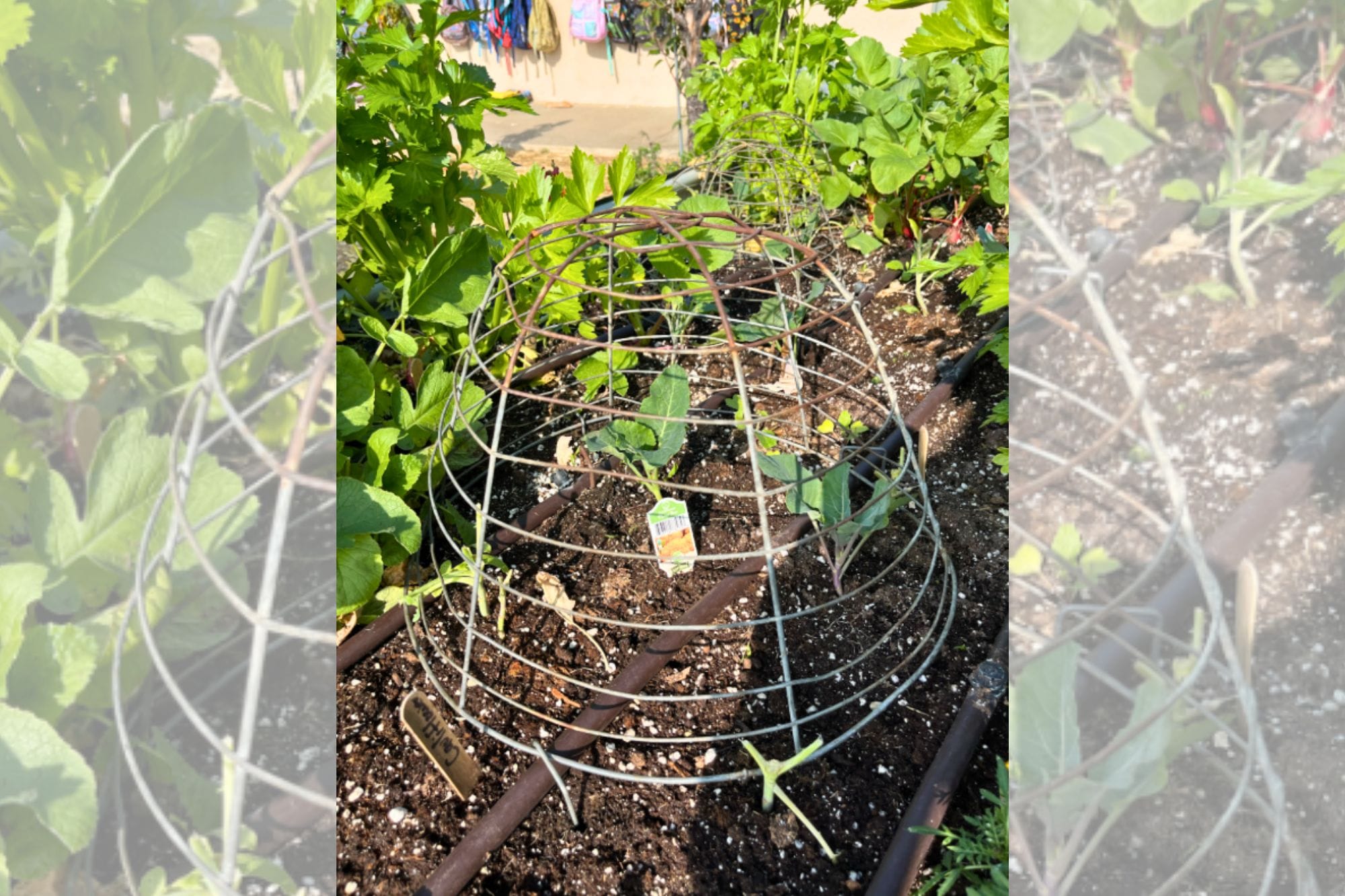
Critter Damage (Rabbits, Gophers, Squirrels): This is one of the most frustrating issues in the garden. I'm battling ground squirrels at a school garden currently, and to make things worse, they have a nest in one of my beds!
Prevention is always best: Use hardware mesh cloth under boxes to deter gophers. Plant herbs such as lavender, onions, and other crops critters don't like along the edge of boxes to keep rabbits and squirrels out. Currently, I'm removing any crops the squirrels like (cabbage, broccoli) and leaving the ones they don't like (celery, onions, garlic) in hopes that the family will move elsewhere.
Other prevention suggestions include covering crops with mesh cages or completely enclosing your garden boxes if you have a major wildlife problem.
Gardener's To-Do List
- Finish pruning fruit trees before buds break
- Fertilize citrus and berries
- Refresh mulch to suppress weeds
- Check irrigation systems and fix anything that's broken
- Remove tired winter crops
- Plan spring garden layout—What do you want to grow next? It's time to start dreaming!
February is About Preparation, Not Pressure
Small steps now make gardening easier—and more enjoyable—later.
If you've ever wanted a garden, I have great news for you: we live in Riverside! Our climate allows us to grow year-round, which means if you missed a fall or winter garden, you can still start as early as this weekend and be harvesting food in as little as a month. Crops like radishes and lettuce can be ready in about 30 days, and herbs are incredibly hardy and forgiving for beginners.
Start small, use the space you have, and build on your garden as your confidence grows.
Pro Tip: Lack of irrigation is one of the most common mistakes beginner gardeners make. Drip irrigation on a timer works best, but even a simple hose timer can make a huge difference. This one investment can be the key to a successful garden.
About Kitchen Gardens By Kim
Kim Malstrom designs, installs, and teaches vegetable gardens to families, schools, and groups in Riverside. For more gardening tips and inspiration, follow @kitchengardensbykim on Instagram and Facebook, or visit kitchengardensbykim.com.


