
This Week in City Hall March 9, 2026
City Council, the Planning Commission and five other bodies hold public meetings this week, covering topics from a railroad quiet zone project to a Downtown bar's permit revocation.
City Council, the Planning Commission and five other bodies hold public meetings this week, covering topics from a railroad quiet zone project to a Downtown bar's permit revocation.

With 20 years of media sales experience and deep roots in the Inland Empire community, Laniea Dominguez joins the Raincross Gazette as advertising director.

Tips on what to plant, when to pick, and what to watch out for in your home garden.

It's technically still winter here in Riverside, but if you've stepped outside lately, you can feel the shift. The sun is warmer, afternoons are stretching longer, and everyone is asking me the same question: "Is it time to plant tomatoes?"
Not yet. In Zone 9B, this is the season of patience. While it feels like spring, our soil temperatures are still cool — and warm-season crops like tomatoes, peppers, and squash need consistent heat to truly thrive. Planting too early often means stalled growth, stressed plants, and discouraged beginner gardeners.
March is also prep season. Refresh your beds with compost, check your irrigation for leaks or clogs, and top off mulch before temperatures spike. Think of it as "set the stage" month. A little attention now makes spring planting smooth and successful.
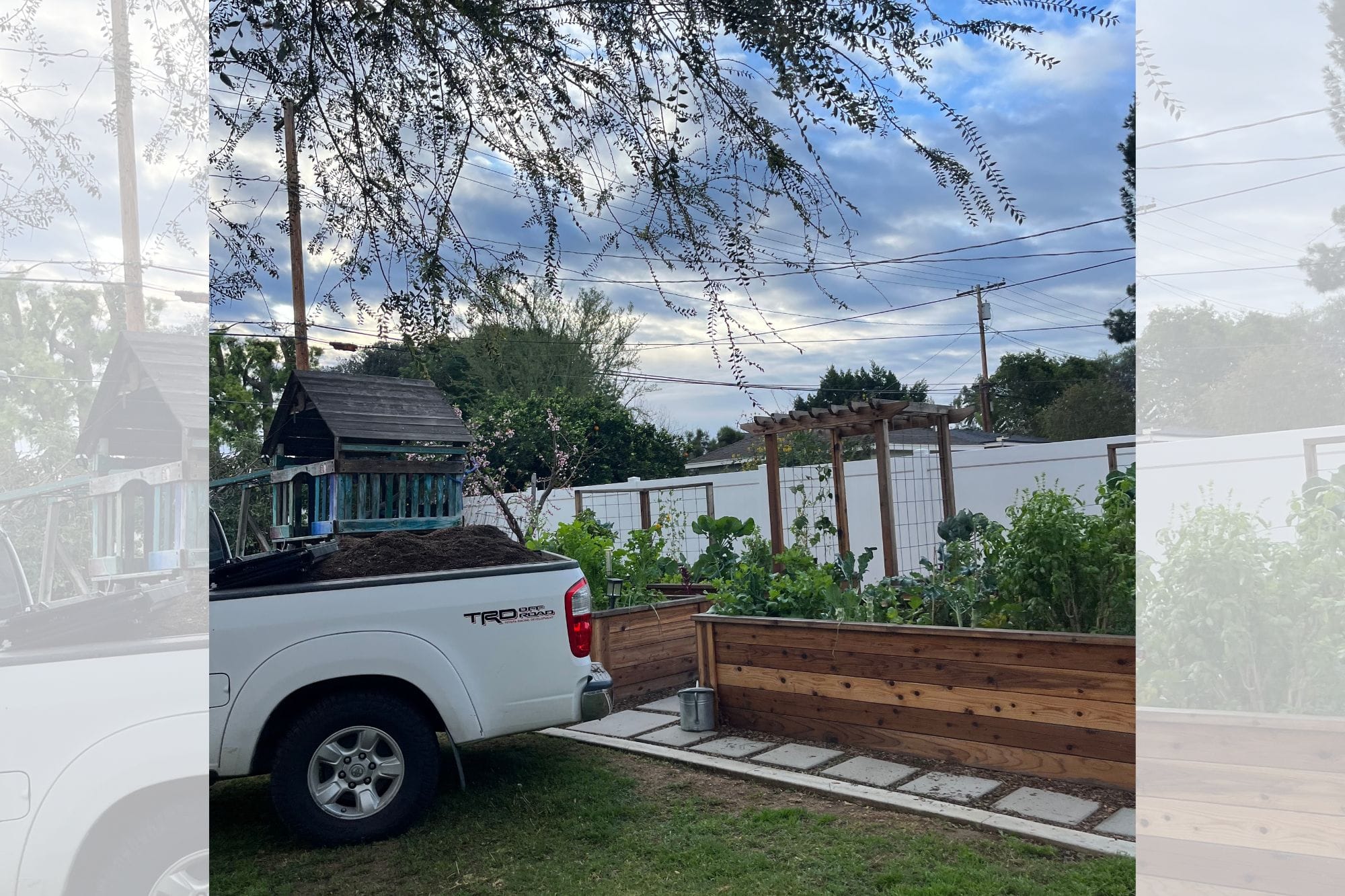
And if your lettuce is overflowing? Try a simple Kitchen Garden Salad: chopped mixed greens, sliced carrots, fresh herbs, olive oil, lemon, salt, and shaved parmesan. It's the taste of the season — fresh, bright, and proof that even "not quite spring" has its rewards. 🌿
Vegetables: Lettuce, spinach, arugula, kale, Swiss chard, carrots, radishes, beets, broccoli, cauliflower, cabbage, snap peas, green onions
Herbs: Rosemary, thyme, oregano, parsley, cilantro
Flowers: Pansies, violas, snapdragons, calendula, sweet peas, stock
Fruits: All the citrus! Strawberries are coming in too.
We're still in cool-season territory, but the key this month is transplants — not seeds. Direct-seeding most crops now risks them bolting when the heat arrives before they mature.
Good candidates for transplants right now: lettuce, spinach, arugula, broccoli, cabbage, carrots, onions, garlic, potatoes, and snap peas.
If your beds are looking full, think in terms of succession: pull out anything spent or unwanted and tuck in new lettuce or herb seedlings to keep production going. And always remember — open soil is an open invitation for weeds. Fill gaps with something fast-growing and useful.
Didn't get a winter garden in? No worries. You can still add transplants of leafy greens for a quick harvest before the heat arrives.
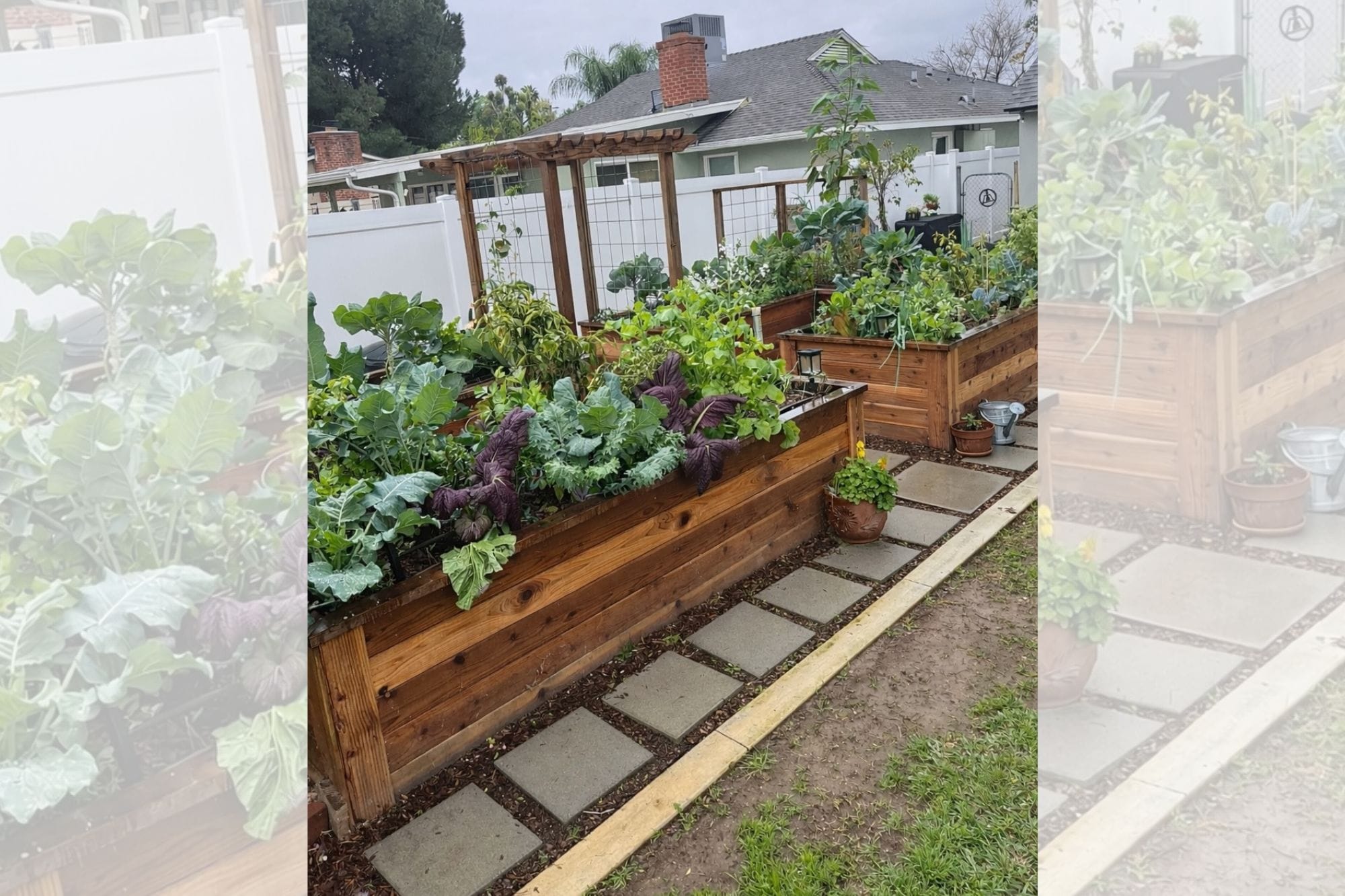
Aphids on New Growth As temperatures warm, aphids move in on tender lettuce, kale, and broccoli. Look for clusters of tiny green, black, tan, or gray insects on stems and the undersides of leaves. Spray them off with a strong stream of water every few days, or use insecticidal soap. Check plants twice a week — early control is everything.
Cabbage Worms & Loopers Growing broccoli, cabbage, or cauliflower? Watch for small green worms and tiny holes in the leaves. White butterflies hovering nearby are your clue — they're laying eggs. Inspect leaf undersides, hand-pick any worms you find, and consider applying BT. Covering beds with insect netting prevents new eggs from being laid.
Snails & Slugs With cool nights and irrigation running, snails and slugs are still very active. Look for irregular holes and slime trails, especially on lettuce and strawberries. Hand-pick at dusk, set out shallow beer traps, or use Sluggo. Reducing excess mulch right up against plant stems also helps.
Think of March as your "set yourself up for success" month. A little intentional work now makes spring feel calm instead of chaotic.
Riverside's long growing season is one of our biggest advantages — you don't have to rush spring. Slow, steady prep right now sets you up for an abundant and less stressful April.
Pro tip: When you start seeing aphids, don't reach for the spray first. Try planting alyssum, or let a little cilantro or radish go to flower. Those tiny blooms attract ladybugs and hoverflies, which will do the pest control for you. Let nature work on your payroll.
More information: Kim Malstrom designs, installs, and teaches vegetable gardens for beginners and families in Riverside. If you'd like help getting growing this spring, visit kitchengardensbykim.com or follow along on Instagram at @kitchengardensbykim.

Tips on what to plant, when to pick, and what to watch out for in your home garden.

Tips on what to plant, when to pick, and what to watch out for in your home garden.

Tips on what to plant, when to pick, and what to watch out for in your home garden.
Tips on what to plant, when to pick, and what to watch out for in your home garden as summer 2024 comes to a close.
Let us email you Riverside's news and events every morning. For free!