
Neighbor of the Week: Debbie Hodson
Neighbor of the Week is a series profiling the hidden heroes of Riverside, doing incredible works of service throughout our different neighborhoods.
Neighbor of the Week is a series profiling the hidden heroes of Riverside, doing incredible works of service throughout our different neighborhoods.

April gardens, Art's finest, and a prompt for that half used can of paint...
Tips on what to plant, when to pick, and what to watch out for in your home garden.
Tips on what to plant, when to pick, and what to watch out for in your home garden.

April is when the garden really starts to take off. Everything looks greener, fuller, and you can finally feel that shift into spring.
And every year, I get the same question: "Can I plant my tomatoes yet?"
Normally, I'd say wait a couple more weeks. But this year? With how warm our winter has been, I'm stepping out of the norm — go ahead and plant them. I already have over 30 tomato plants in the ground in my own kitchen garden!
Just know there's a little risk. April nights can still dip into the 40s, and tomatoes don't love that. If you plant now, be ready to cover them on colder nights — an old sheet, blanket, or painter's cloth works just fine. If you'd rather skip that step, waiting until mid to late April makes things a lot easier.
Because of the early heat, most cool-season crops are already on their way out. If your lettuce, cilantro, or celery is bolting, go ahead and pull it. It's done. If you've still got some hanging on, enjoy it now — this is your last window before the heat takes over.
Also, remember to check your March utility bill. Riverside Public Utilities gives out free trees every year, and April is a great time to get yours planted before summer hits. The Tree Program runs through the end of June.
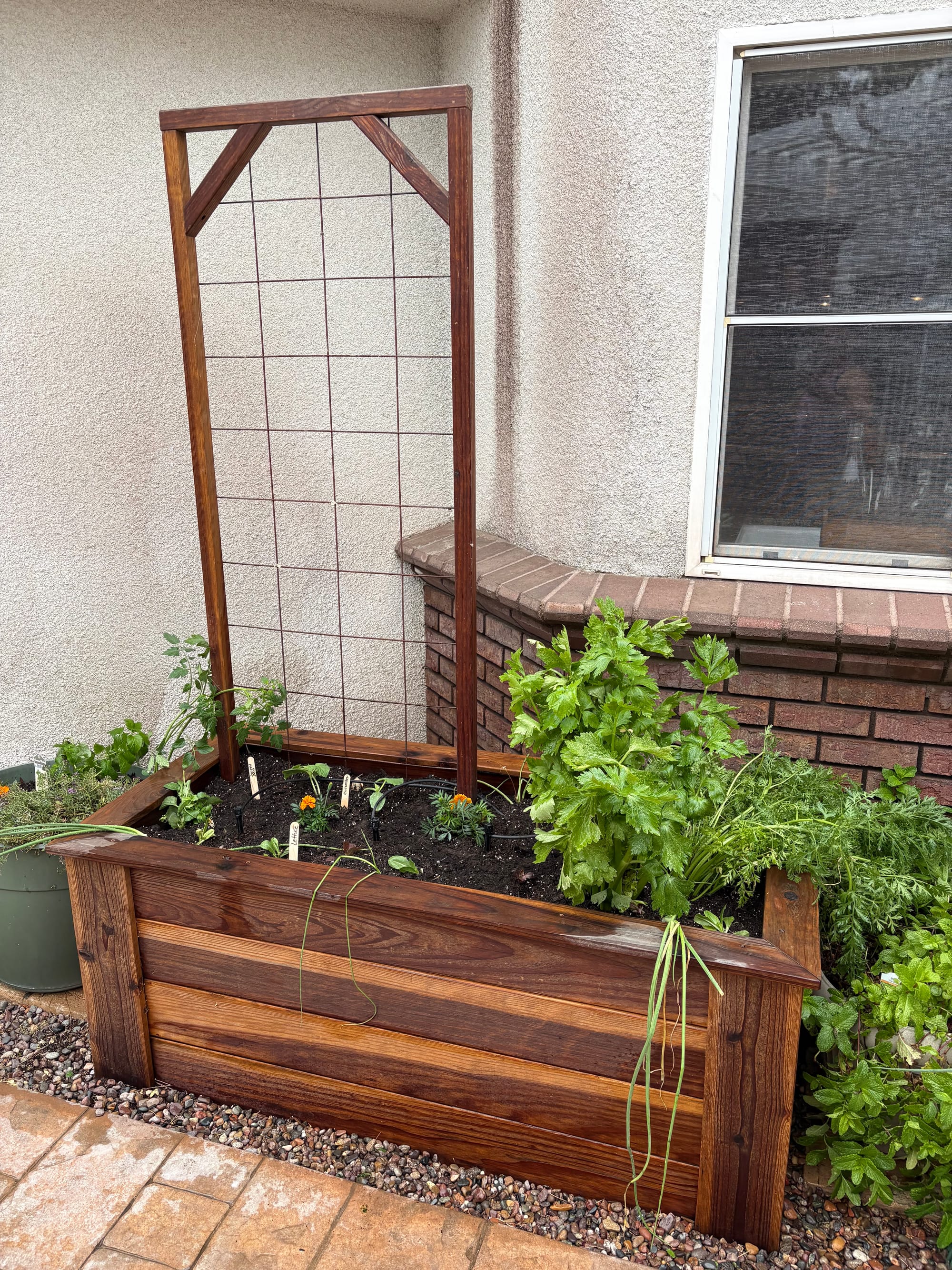
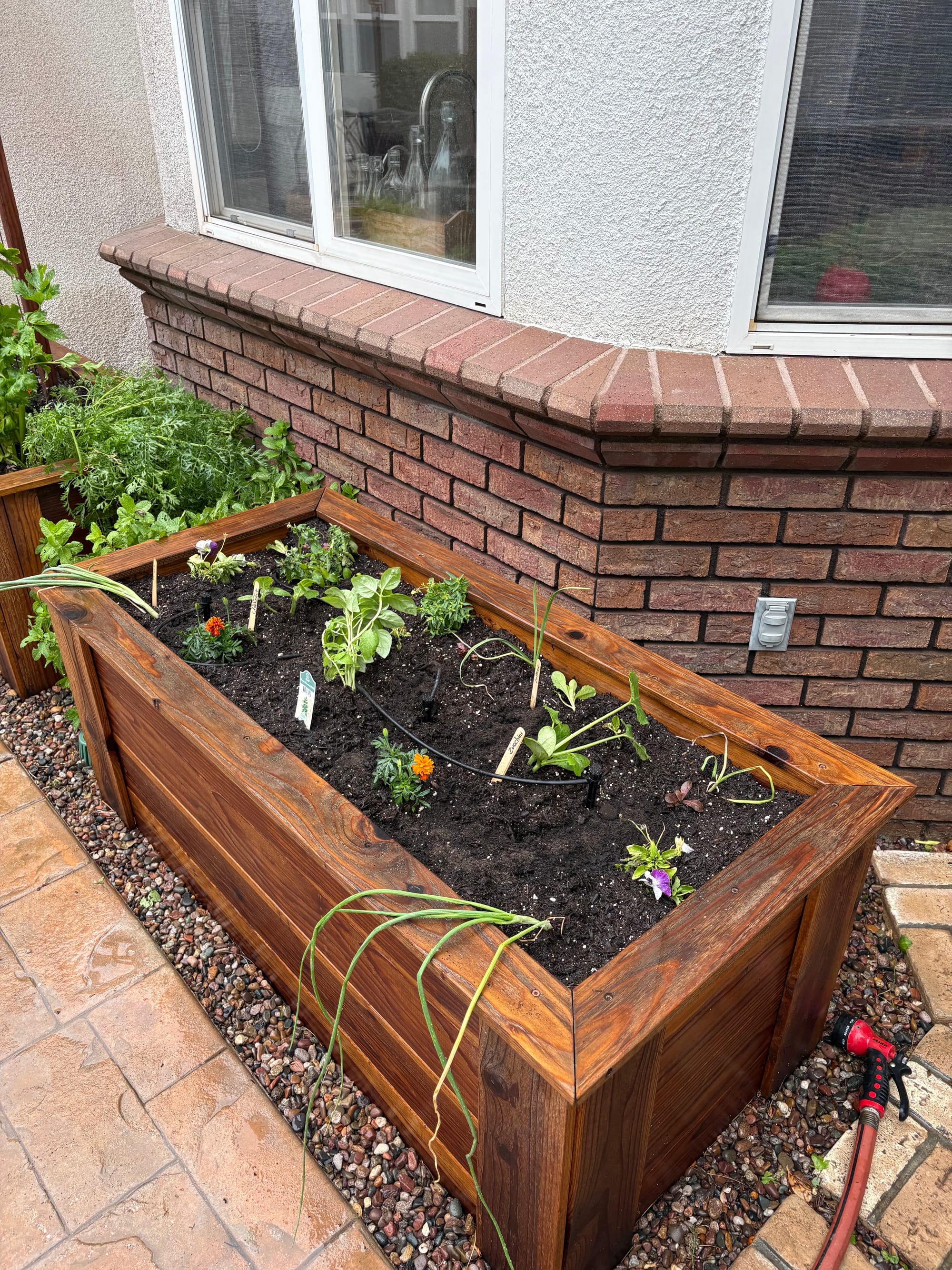
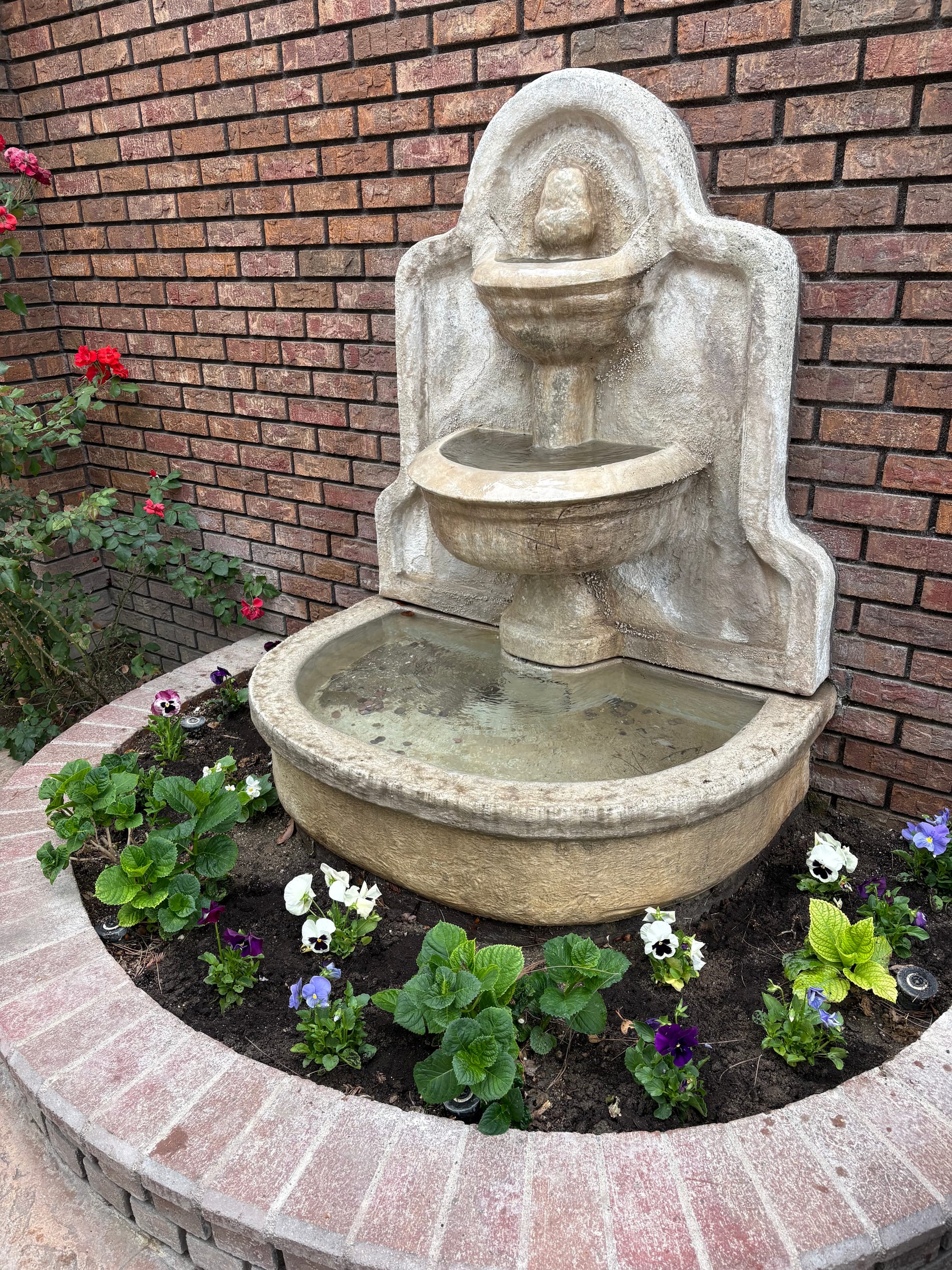
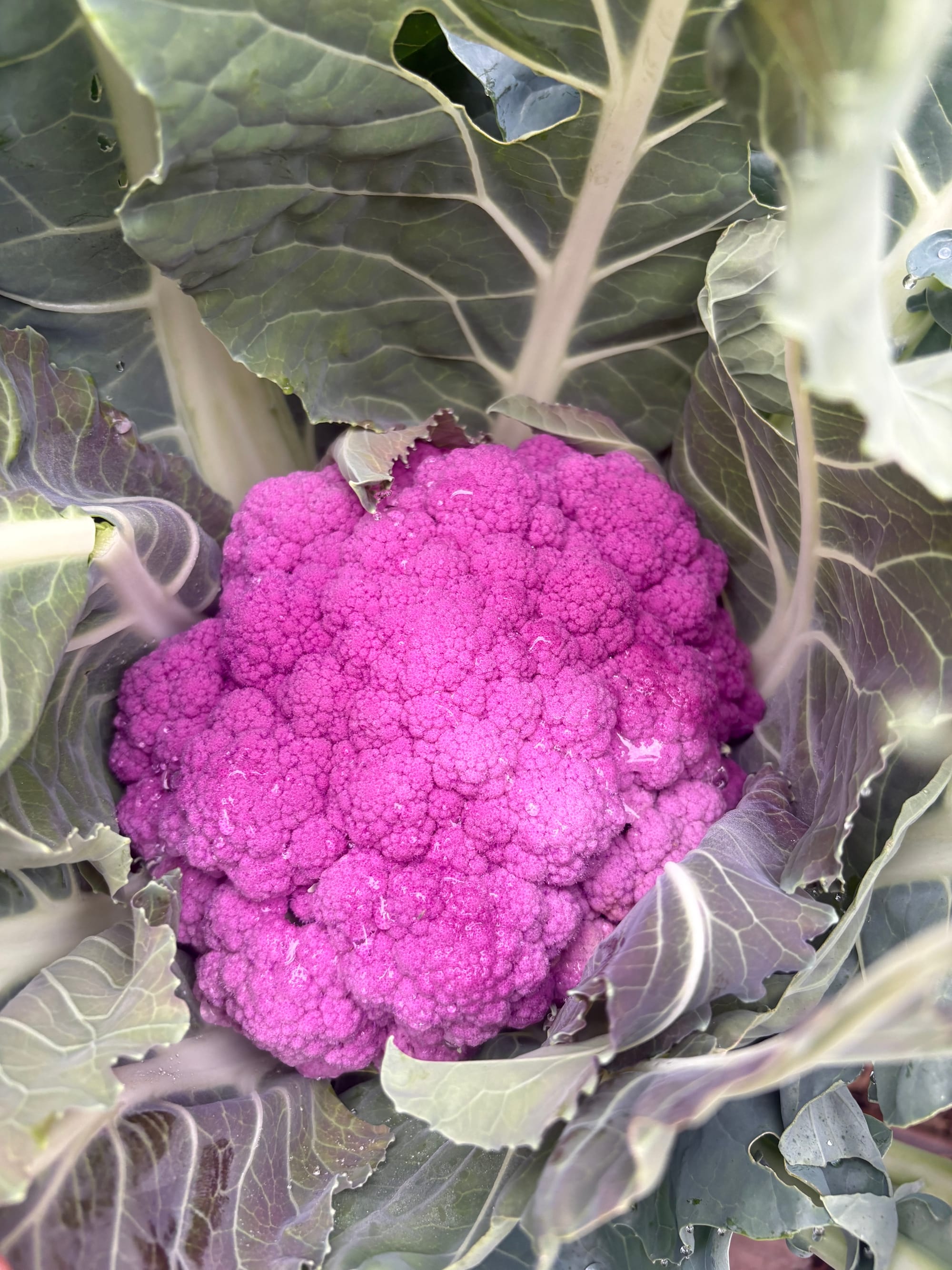
April kitchen gardens in Riverside — raised beds, fresh plantings, spring blooms, and a stunning purple cauliflower ready for harvest. (Kim Malstrom)
Vegetables: Lettuce, spinach, kale, Swiss chard, carrots, radishes, beets, broccoli, cauliflower, snap peas, green onions
Herbs: Rosemary, thyme, oregano, parsley, cilantro
Flowers: Pansies, violas, snapdragons, calendula, sweet peas, stock, nasturtiums
Fruits: Citrus (lemons, oranges, mandarins), strawberries
April is that in-between month where you're doing both: wrapping up your cool-season garden while bringing in your summer crops.
You can still squeeze in a round of lettuce, spinach, or peas if you want one more harvest before the heat really sets in. At the same time, start adding warm-season plants like tomatoes, peppers, cucumbers, and squash. Just keep an eye on those nighttime temps — everything does better once nights stay consistently warm.
If your beds are looking overgrown or tired, now's a great time to pull what's done and make space for something new. Try not to leave empty soil sitting around for too long — bare ground turns into weeds fast. Even a quick crop like lettuce is better than nothing, and keeps your garden working for you.
If you took fall and winter off from gardening, or are starting fresh, avoid tilling your soil. Turning soil disrupts the beneficial organisms that support plant health and brings dormant weed seeds to the surface. Instead, add a layer of compost or fresh soil on top to improve fertility while preserving what's already working down below.
Cutworms in the soil: Brown caterpillars that hide in the soil during the day. At night, they chew young plant stems at ground level — often cutting plants off completely. Remove by hand when you find them.
Aphids on new growth: Clusters of tiny insects showing up on tender, fresh growth, especially leafy greens. This is when they start multiplying quickly. Spray off with a strong stream of water every few days and stay consistent.
Whiteflies in the garden: A cloud of tiny white insects that fly up when you brush your plants. They become more common as temperatures warm. Use yellow sticky traps and plant alyssum to attract beneficial insects.
Bolting lettuce and cilantro: Plants suddenly shoot up tall and start to flower as temperatures rise — this means the plant is going to seed. Harvest what you can immediately, then pull plants once they bolt.
Irrigation changes needed: Plants begin needing more water as temperatures rise and growth speeds up. Current gardens may still be on cooler-season schedules. Check your irrigation and adjust as needed. Right now, I'm watering every other day for about 10 minutes in my own garden, and will switch to daily watering as the heat increases.
Free tree coupon update from Riverside Public Utilities: Riverside Public Utilities now requires residents to redeem their free tree coupon online instead of using the paper version. If you're not sure how to navigate it, there's a step-by-step video walkthrough available at riversideca.gov.
April is a sweet spot in the garden. Everything is growing quickly, but we're not in the stress of summer yet. If you've been meaning to get things planted, this is your window — don't let it slip by.
And seriously, grab that free tree from Riverside Public Utilities. It's easy to forget about, but down the road you'll be really glad you planted it.
More information: Kim Malstrom designs, installs, and teaches vegetable gardens for beginners and families in Riverside. To learn more, visit kitchengardensbykim.com or follow along on Instagram at @kitchengardensbykim.

Tips on what to plant, when to pick, and what to watch out for in your home garden.

Tips on what to plant, when to pick, and what to watch out for in your home garden.

Tips on what to plant, when to pick, and what to watch out for in your home garden.

Tips on what to plant, when to pick, and what to watch out for in your home garden.
Let us email you Riverside's news and events every morning. For free!