
Pivot Player
A prompt to encourage your practice of creativity this week from Riversider and local author Larry Burns.
A prompt to encourage your practice of creativity this week from Riversider and local author Larry Burns.

Students chalk Main Street, bar permit hearing delayed, heart health reminders...

Professional artists Gloria Ing and Graciela Rodriguez will join about 200 middle and high schoolers on Main Street on March 3 to turn the pedestrian mall into a living, collaborative dream.
From ugly duckling to Super Bowl favorite, a Whittier postman's discovery transformed California agriculture.


It's avocado season. Specifically, it's the part of avocado season when Riverside's Farmers Markets start transitioning from the green thin-skinned varieties – Bacon, Fuerte and Zutano – to the black thick-skinned Hass variety. Hass is the world favorite. An estimated quarter billion (with a "b") pounds of avocados (the great majority being Hass) were consumed for 2025's Super Bowl Sunday alone. Mexico is the world's primary producer of avocados (mostly Hass), and California is the number one avocado-producing state (95% Hass). And the Hass truly has its roots in Southern California.
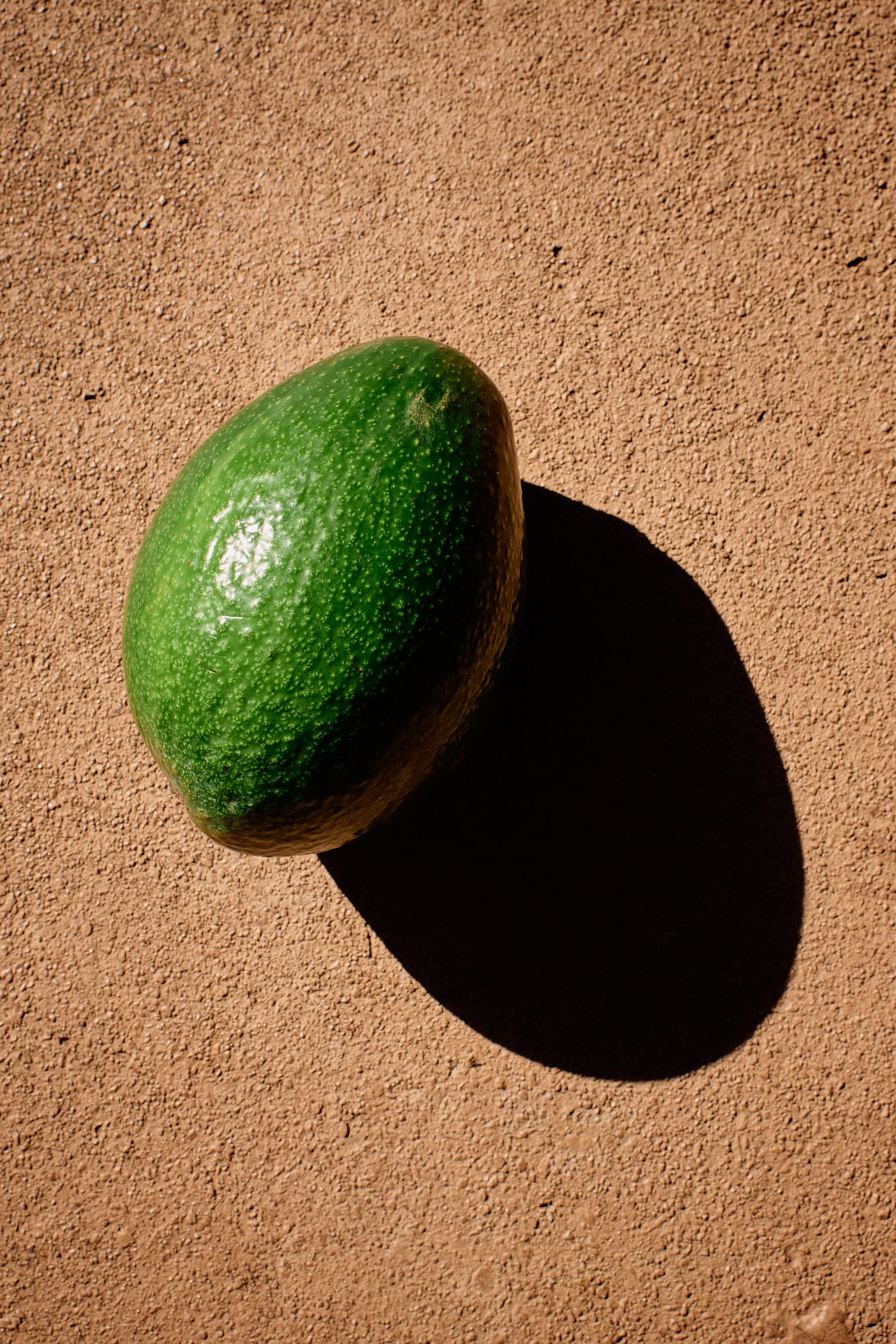
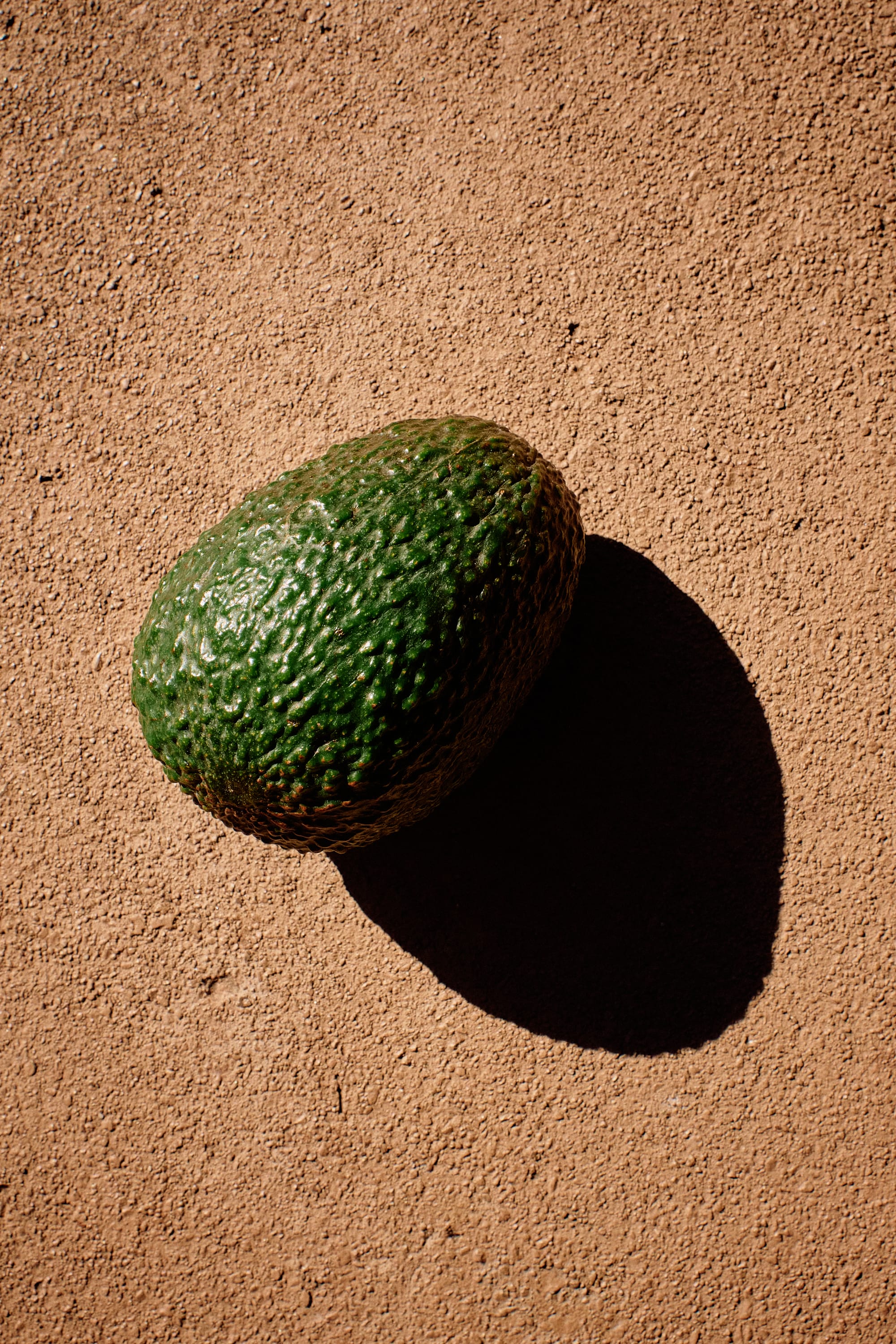
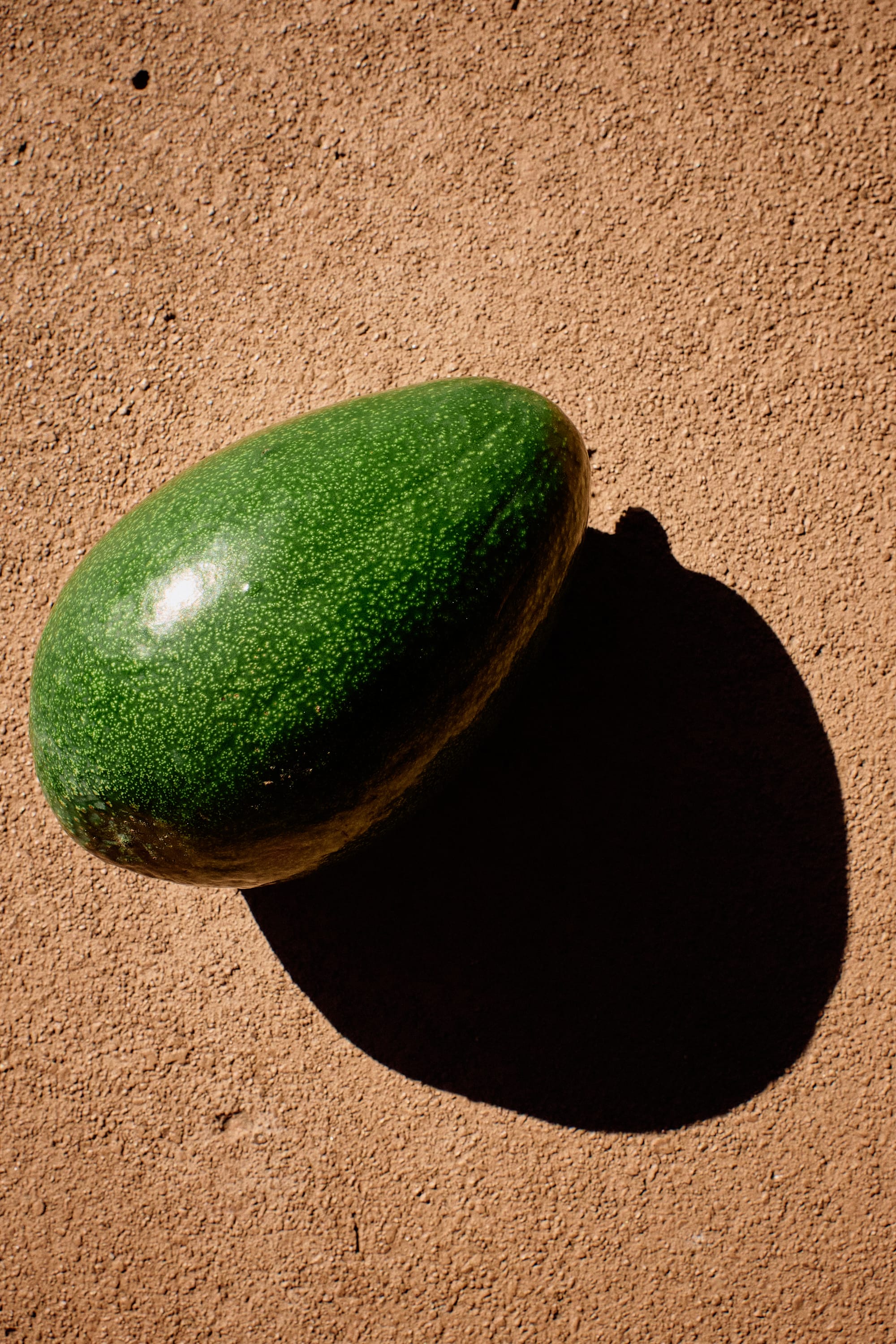
Bacon, Hass and Zutano avocados. (David Fouts)
It wasn't always this way. In the early days of the avocado in California, everybody "knew" that a black-skinned avocado was a rotten avocado. Fuerte – so named because it survived the terrible frost of 1913 – reigned as avocado royalty for much of the 20th century.
Despite its cold tolerance, productivity, tough skin (relative to its peers) and nutty flavor, Fuerte has its flaws. Its short season annoyed the consumer. And its strong tendency for alternate bearing annoyed farmers. Alternate bearing starts when a tree is stressed. It will drop all its fruit during a cold snap or heat wave, only to have a boom year the following year, followed by a bust year, and so on. If a temperate stress hits a whole region, the entire region starts alternate bearing. Everyone has abundant fruit during the boom ("on") years. The extraordinary supply sends prices plummeting. During the alternating barren ("off") years, demand remains at the same level, prices are high, but production is meager. Fuerte is particularly sensitive; even the "stress" an unusually good bearing year can induce alternate bearing in this variety. Another shortcoming was the fact that Fuerte was picky about its tolerance to certain Southern California microclimates.
Resourceful amateur and professional horticulturalists were experimenting with alternatives to Fuerte. One such experimenter was Whittier postman Rudolph Hass. In 1926, he bought three seedling trees to use as rootstocks for Fuerte. Hass repeatedly tried grafting, but one of the three seedlings rejected all of his attempts. Hass didn't remove the wayward tree, but he neglected it. In fact, Hass was repulsed by the seedling's fruits.
Fuerte's fruits are sleek, green and smooth. The Ugly Duckling's fruits were grenade-shaped, dusted with black, very thick-skinned and pebbly. When its mature fruits were allowed to ripen, they turned purple-black.
Nonetheless, Hass' kids tried the fruits themselves (perhaps inspired by neighborhood dogs gobbling the fruit). They begged him to give the fruits a chance. "You gotta try it, Dad!" Rudolph conceded, and there was no looking back. Not only did the flavor change his mind, but he had already noted that the trees held fruit for an extraordinarily long season. Fully converted, Hass promptly named the tree after himself and received a U.S. Plant Patent in 1935.
Hass sought commercial success for his new baby. He sold fruit from the yard tree for as much as a dollar apiece to specialty stores and gourmet chefs. But converting the public to the Ugly Duckling proved a daunting task. Remember, the avocado-eating public had only been exposed to smooth green-skins that rotted into lumpy blackness. Consumers knew better than trying a bumpy black grenade. The Hass variety stood out like a sore, black thumb. Hass died in 1952, unable to see the final success of his efforts.
Despite resistance, the Hass variety began to gain some ground. The few farmers who experimented with the variety appreciated that it had minimal alternate bearing and could be held on the tree for months after the last Fuerte was harvested. It bore well under a large range of microclimates, especially under the new technique of drip irrigation. Its thick rough skin made shipping easier. The thick skin easily separates from the flesh, making preparation less challenging.
Hass production for the winter-spring post-Fuerte season developed, but slowly. The softball-sized and shaped green-skinned Reed was available during a sliver of summer. The pre-Fuerte season was populated mostly Bacon and Zutano. Late summer and early fall were nearly an annual avocado drought for California, the only variety available in the stores being the giant, fluorescent-green, watery Lula from Florida.
Certain Bacon and Zutano growers were eager to fill those months. After all, at that time of the year, Bacons and Zutanos are full-sized on the trees, although not yet mature. Why not harvest the fruits early? Perhaps send the immature fruits to the avocado-naïve Midwest?
Only mature avocado fruits ripen properly. If you ever try to eat an avocado that has been picked prematurely and allowed to "ripen," you are in for a memorable experience. Depending on the variety and the immaturity of the fruit, the result can be from a tasteless crunchy or rubbery flesh to a creamy flesh tasting of cucumber or acrid water. In some cases, the fruit will simply remain rock-hard.
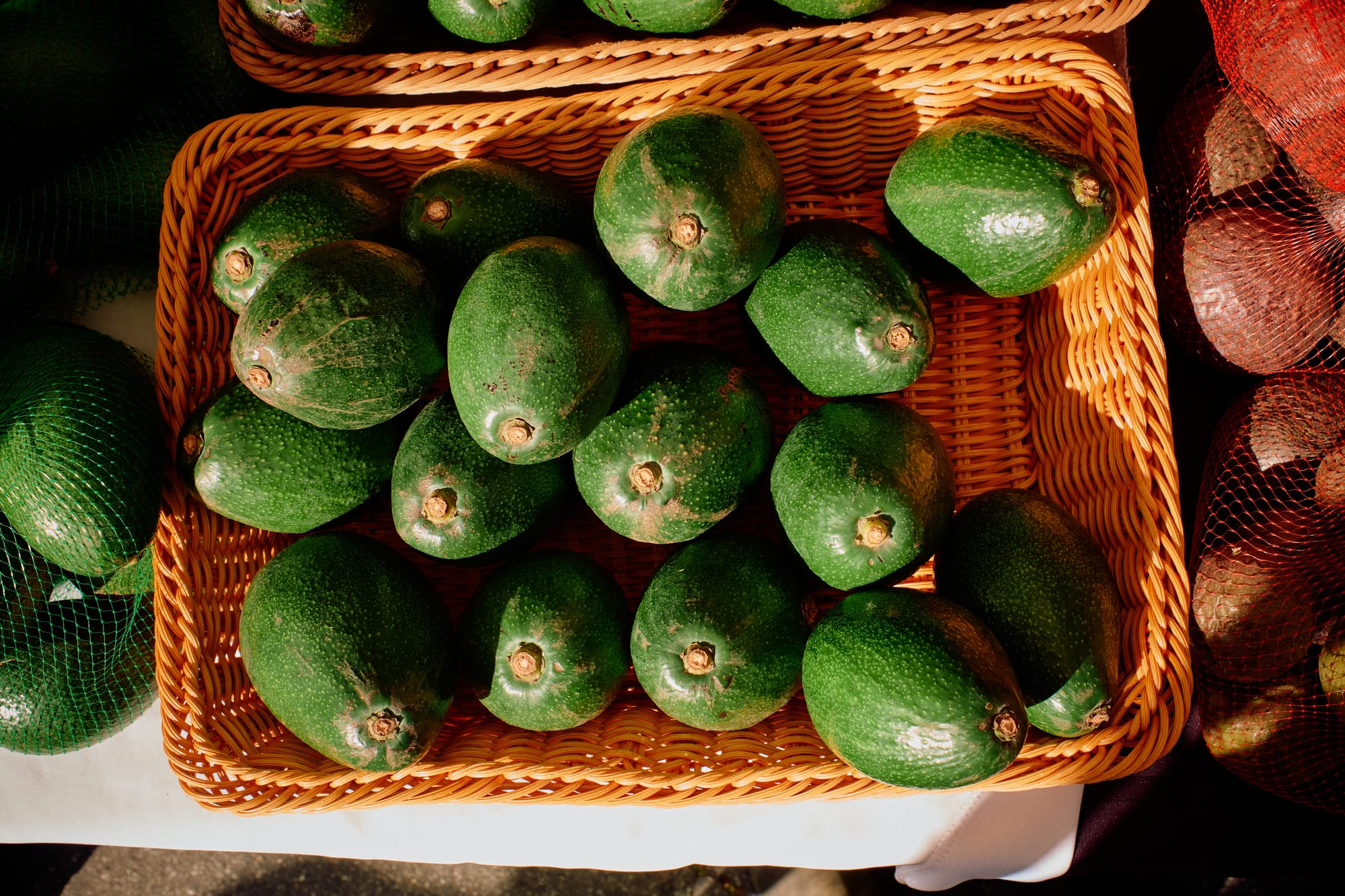
Yes, in the late 1970s and early '80s, these unscrupulous growers and packers poisoned the avocado market. After too many immature avocado purchases, consumers turned away from green-skins, including Fuertes. After all, it takes a trained eye to distinguish the green-skins.
Eventually, customers were willing to wait through the green-skin season and try those black-skinned Hass. After all, they knew that avocados used to ripen properly and taste good. Just like Rudolph Hass, consumers were more than pleasantly surprised. As demand for Hass grew, demand for Fuertes waned. Growers began to replace their Fuertes with Hass. And growers were pleasantly surprised to find a variety that produced good fruit over more than half a year with a skin that withstood bruising during post-harvest as well as the fact that Hass is much less vulnerable to alternate bearing.
For now, Hass is king. In the future, the Hass-like, highly productive new variety known as the Luna may give Hass a run for its money. But as you enjoy your Super Bowl guacamole this year, remember the Whittier postman who made it all possible.
This article benefited from the comments of avocado expert Dr. Eric Focht of the University of California at Riverside.

The 'Valentine' pummelo - with its heart-shaped red flesh and mid-February harvest - took 50 years to go from UCR research cross to the iconic citrus that promises to become as synonymous with Valentine's Day as pumpkins are with Halloween.

From Norse mythology to modern doorways, the parasitic plant's journey through history reveals surprising science, ancient legends, and ecological importance hidden beneath its reputation for stolen kisses.

A culinary journey reveals that America's most iconic Thanksgiving dessert is a delicious melting pot of ingredients from around the globe.

From citrus grove markers to wildlife apartments, Riverside's iconic skydusters reveal surprising stories about our landscape and the creatures who call them home.
Let us email you Riverside's news and events every morning. For free!